Plastic Sheeting Blog. Click on Home for all our product categories...

Enkadrain 3611R: The Eco-Friendly Solution for Effective Drainage

Posted by The Plastic Sheeting Gurus! on Wed, May 17, 2023 @ 12:19

What is EnkaDraian 3611R?

EnkaDrain 3611R

Enkadrain 3611R is a cutting-edge drainage composite mat that offers superior performance and environmental sustainability. Designed for various applications such as foundation walls, retaining walls, slabs, plaza decks, and green roofs, this innovative product is part of a new generation of environmentally conscious Enkadrain solutions.

At the core of Enkadrain 3611R lies a post-industrial recycled polypropylene drainage core, composed of fused, entangled filaments. This unique construction provides exceptional drainage capabilities, allowing for efficient water management and prevention of moisture-related issues.

The entangled filaments are intricately molded into a square waffle pattern, ensuring flexibility and adaptability to diverse project requirements. This design feature is consistent with other Enkadrain products, maintaining the high standards of performance and versatility.

EnkaDrain 3611R is Eco-Friendly!

One remarkable aspect of Enkadrain 3611R is its commitment to sustainability. With over 40% post-industrial recycled content, this drainage composite actively contributes to reducing environmental impact. By incorporating Enkadrain 3611R into your project alongside other recycled content products, you can potentially earn up to 2 LEED points, further validating your commitment to eco-conscious construction practices.

Additionally, when used in conjunction with a green roof system, Enkadrain 3611R offers even more benefits for LEED certification. By effectively reducing stormwater runoff, mitigating heat island effects, and minimizing energy consumption, this product becomes an invaluable asset for creating sustainable and environmentally friendly spaces.

Enkadrain 3611R is not only a reliable drainage solution but also a symbol of environmental responsibility. By choosing this innovative product, you are not only investing in the longevity and efficiency of your project but also actively contributing to a greener future.

Enkadrain 3611R Drainage Mat: Versatile Solutions for Various Applications

Enkadrain 3611R is a highly recommended drainage mat that offers exceptional performance in a wide range of applications. Its versatility and durability make it the ideal choice for various construction projects, including foundation walls, green roofs, plaza decks, retaining walls, beneath slabs, earth sheltered homes, underground parking, and exterior planters.

Here's why Enkadrain 3611R is the go-to drainage mat for your next project:

  1. Excellent durability: Built to last, Enkadrain 3611R provides long-lasting protection for waterproofing systems during and after backfill. It withstands the rigors of construction, ensuring the integrity of your project.

  2. Conforms to irregular surfaces and corners: The flexibility of Enkadrain 3611R allows it to easily adapt to irregular surfaces, corners, and contours, providing a seamless installation.

  3. Waffle design for open flow path: The unique waffle design of Enkadrain 3611R creates an open flow path, even during backfill. This ensures continuous water drainage, reducing the risk of water accumulation and potential damage.

  4. High load-bearing capacity: Designed for higher load conditions, Enkadrain 3611R can withstand significant weight without compromising its drainage performance. It provides reliable drainage under heavy loads, ensuring optimal functionality.

  5. Cost-effective installation: Enkadrain 3611R is available in long rolls, which helps reduce installation costs by minimizing butt seams and eliminating the need for interlocking. This streamlines the installation process, saving you time and money.

  6. LEED points contribution: Enkadrain 3611R contains recycled content polymer, making it an environmentally conscious choice. By incorporating this drainage mat into your project, you can earn LEED points, further demonstrating your commitment to sustainable construction practices.

  7. Increased flow rates: Compared to drains made of nylon and HDPE, Enkadrain 3611R offers superior flow rates despite having the same thickness. This enhanced drainage capability ensures efficient water management and prevents potential water-related issues.

  8. Fabric overlap flap: With a 3" fabric overlap flap, Enkadrain 3611R provides additional protection and a secure connection between adjacent sections, enhancing the overall performance and reliability of the drainage system.

Choose Enkadrain 3611R for your next construction project and experience its outstanding durability, efficient drainage, cost-effectiveness, and contribution to LEED certification. This drainage mat is designed to meet the highest standards and deliver reliable results in diverse applications.

Together, let's build a better tomorrow.

Visit the EnkaDrain 3611R page here.

Tap For Pricing & Info (619) 448-4439

Resource page for Plastic Sheeting, Greenhouse Plastic, Fire Retardant Products, HDPE- LLDPE, Tapes  760 597 9298 Global plastic sheeting

Tags: Drainage Mat, enkadrain 3611R, Drainage/ decks

Anti-Static Plastic Sheeting - Did you Know......

Posted by The Plastic Sheeting Gurus! on Wed, May 17, 2023 @ 11:52

ASFR

What Industries or Applications Benefit From Using Anti-Static Plastic Sheeting?

In various industries, especially in mining where coal, iron ore, copper ore, and rare metals are involved, the presence of dust ignition explosions poses a significant challenge. These explosions can occur when static electricity builds up and sparks discharge, potentially causing fires and damages to sensitive equipment. That's where anti-static tarps come into play as a valuable solution.

Some of the industries and applications that benefit from using anti-static plastic sheeting include:

  1. Some of the industries and applications that benefit from using anti-static plastic sheeting include:

    1. Electronics Manufacturing: Anti-static sheeting helps protect sensitive electronic components, circuit boards, and equipment from damage caused by static electricity.

    2. Cleanrooms: Cleanroom environments, such as those in pharmaceutical, semiconductor, and biotechnology industries, require anti-static materials to prevent static charges that could contaminate sensitive processes or damage equipment.

    3. Data Centers: Anti-static sheeting helps safeguard servers, networking equipment, and data storage systems from static discharge, ensuring the integrity and reliability of data centers.

    4. Automotive: Automotive manufacturing and assembly processes often involve sensitive electronic components, making anti-static sheeting crucial for preventing damage during production.

    5. Aerospace: Aerospace industry applications, including aircraft manufacturing and maintenance, require anti-static materials to protect electronic systems and sensitive instruments from static discharge.

    6. Medical and Healthcare: Anti-static sheeting is used in medical device manufacturing, laboratories, and healthcare facilities to prevent static electricity interference with delicate instruments and equipment.

    7. Printing and Packaging: Anti-static sheeting aids in the production of static-free printing and packaging materials, ensuring clean and accurate results.

    8. ESD Protection: Anti-static sheeting is employed in environments where electrostatic discharge control is paramount, such as ESD safe workstations, server rooms, and laboratories.

    9. Industrial Manufacturing: Various manufacturing processes, such as plastics, textiles, chemicals, and pharmaceuticals, can benefit from anti-static sheeting to minimize the risk of static-related issues during production.

    10. Retail and Packaging: Anti-static packaging materials help protect electronic devices, sensitive components, and other static-sensitive products during transportation and storage.

     How does anti-static plastic sheeting prevent electrostatic discharge (ESD)?

    1. Conductive Additives: Anti-static sheeting often contains conductive additives, such as carbon or metallic particles, that help to facilitate the flow of electric charges across the surface. These additives create a conductive network within the plastic, allowing static charges to move and dissipate more easily.

    2. Surface Resistance: Anti-static sheeting is formulated to have a specific surface resistance, usually in the range of 10^6 to 10^11 ohms. This resistance level falls between insulating materials (high resistance) and fully conductive materials (low resistance), providing a controlled path for static charges to disperse.

    3. Humidity Control: Anti-static sheeting can also help manage the impact of humidity on static electricity. It works by attracting moisture from the air, creating a thin layer of moisture on the surface of the plastic. This layer enhances conductivity, reducing the buildup and retention of static charges.

    4. Grounding: Anti-static sheeting is often used in conjunction with grounding techniques. By connecting the sheeting to a grounding system, any accumulated static charges can be safely discharged to the ground, preventing the potential for ESD.

    5. Dissipation of Charges: When a static charge is applied to the surface of anti-static plastic sheeting, the conductive additives or treatments facilitate the movement of electrons, allowing the charge to dissipate more quickly. This prevents the buildup of static charges that could damage sensitive electronic components or cause sparks in flammable environments.

Anti-static tarps are specifically designed to prevent the accumulation of static electricity and facilitate the gradual dissipation of static charges over time, typically ranging from a hundredth of a second to several seconds. This unique property makes them an essential safety measure for industries where electrostatic discharge (ESD) can have detrimental effects on both equipment and personnel.

In addition to ESD, industrial environments are also prone to other threats like dust, water, and debris. These external factors, combined with the potential for sparks generated by flexible hoses, increase the risk of fires and explosions. By adhering to National Fire Protection Association (NFPA) standards and utilizing protective anti-static tarps, companies can significantly reduce the chances of property damage and mitigate the potential for injuries or even fatalities.

It is crucial for businesses operating in high-risk industries to prioritize safety measures and invest in high-quality anti-static tarps.

These tarps act as a vital safeguard against equipment failures, malfunctions, and the devastating consequences that can result from them. By providing reliable protection for industrial technology and equipment, anti-static tarps not only ensure smooth operations but also save businesses from costly mistakes, downtime, and the associated financial losses.

In conclusion, anti-static tarps play a crucial role in industries like mining where dust ignition explosions pose a serious threat. Compliance with NFPA standards is essential for maintaining a safe working environment. By investing in high-quality tarps specifically designed to mitigate static electricity hazards, businesses can protect their assets, prevent accidents, and promote the smooth and efficient operation of their industrial processes. Don't let static sparks ignite trouble—prioritize safety and secure your operations with reliable anti-static tarps!

Tap For Pricing & Info (619) 448-4439

Resource page for Plastic Sheeting, Greenhouse Plastic, Fire Retardant Products, HDPE- LLDPE, Tapes  760 597 9298 Global plastic sheeting

Tags: ESD, ASFR did you know

The Advantages of Growing Cannabis and Hemp in a Greenhouse:

Posted by Team SolaWrap and the Green Thumbs. on Tue, May 16, 2023 @ 11:51

Why Grow Cannabis in a Greenhouse?

SolaWrap greenhouse

  1. Climate Control: One of the key advantages of greenhouse cultivation is the ability to control the climate. Greenhouses provide a controlled environment where temperature, humidity, and light can be regulated, creating optimal growing conditions for cannabis and hemp plants. This allows for year-round cultivation, regardless of external weather conditions.

  2. Extended Growing Season: Greenhouses enable growers to extend the growing season beyond what is possible in outdoor cultivation. With the ability to manipulate environmental factors, plants can be started earlier and harvested later, maximizing the yield and productivity of each crop cycle.

  3. Pest and Disease Control: Greenhouses act as a physical barrier against pests, insects, and diseases, reducing the risk of infestations and crop damage. By implementing proper ventilation systems and integrated pest management techniques, growers can maintain a healthy and clean growing environment, minimizing the need for chemical pesticides.

  4. Increased Yield and Quality: With precise control over environmental factors such as light intensity, temperature, and humidity, greenhouse cultivation can lead to higher yields and better quality crops. By optimizing growing conditions, growers can promote vigorous plant growth, enhance cannabinoid and terpene profiles, and produce visually appealing buds.

  5. Environmental Sustainability: Greenhouses offer a more environmentally sustainable approach to cultivation compared to outdoor or indoor methods. By harnessing natural sunlight and utilizing energy-efficient systems, greenhouse cultivation reduces energy consumption and carbon footprint, making it a greener option.

Percentage of Growers Using Greenhouses:

The exact percentage of growers using greenhouses can vary depending on geographical location, regulatory frameworks, and market dynamics. While precise data may be challenging to obtain, greenhouse cultivation has gained popularity among cannabis and hemp growers in recent years.

In mature cannabis markets like the United States and Canada, where cultivation practices have evolved, a significant percentage of commercial growers have adopted greenhouse facilities. Some estimates suggest that over 50% of cannabis cultivation in North America occurs in greenhouses.

The popularity of greenhouse cultivation is driven by its ability to combine the advantages of outdoor and indoor growing, offering an efficient and controlled environment for high-quality and consistent crop production. As the industry continues to expand, more growers are likely to embrace greenhouse cultivation methods to meet the growing demand for cannabis and hemp products.

Growing Cannabis in a SolaWrap Greenhouse... Why Use SolaWrap Greenhouse Plastic?

SolaWrap is a specialized greenhouse covering material made from a unique bubble wrap technology combined with UV-resistant polymer film. Growing cannabis in a SolaWrap greenhouse offers several advantages:

  1. Energy Efficiency: SolaWrap has excellent insulation properties, providing efficient heat retention within the greenhouse. This reduces the need for additional heating during colder seasons, resulting in energy savings and lower operational costs.

  2. Diffused Light Transmission: The translucent nature of SolaWrap allows for the even distribution of sunlight throughout the greenhouse. Its bubble design diffuses direct sunlight, preventing hot spots and reducing the risk of plant sunburn. This promotes uniform growth and helps avoid excessive heat stress on cannabis plants.

  3. UV Protection: SolaWrap is UV resistant, shielding the plants from harmful ultraviolet (UV) rays. Cannabis plants can be sensitive to excessive UV exposure, which can lead to reduced yields and compromised quality. The UV protection provided by SolaWrap helps maintain the health and vitality of the plants.

  4. Durability and Longevity: SolaWrap is designed to be highly durable and long-lasting. Its polymer film is resistant to tears, punctures, and degradation from sunlight and weather conditions. This durability ensures that the greenhouse remains intact and functional for an extended period, providing a stable and reliable growing environment.

  5. Weather Resistance: SolaWrap is engineered to withstand extreme weather conditions, including high winds, heavy rain, and snow loads. The bubble wrap design provides additional strength and flexibility, making it less susceptible to damage compared to traditional greenhouse coverings. This resilience protects the cannabis crop from external elements, reducing the risk of crop loss or damage.

  6. Versatility and Customization: SolaWrap can be easily installed on various greenhouse structures, including hoop houses and arched frames. Its flexibility allows for customization, enabling growers to create the ideal greenhouse size and shape to suit their cultivation needs. This versatility makes SolaWrap suitable for different cannabis cultivation methods, including vertical growing and light deprivation techniques.

  7. Cost-Effectiveness: Due to its energy efficiency, durability, and long lifespan, SolaWrap can provide a cost-effective solution for cannabis cultivation. The reduced energy consumption, extended lifespan, and lower maintenance requirements contribute to long-term cost savings for growers.

Overall, growing cannabis in a SolaWrap greenhouse offers benefits such as energy efficiency, diffused light transmission, UV protection, durability, weather resistance, versatility, and cost-effectiveness. These advantages create an optimal environment for cannabis cultivation, supporting healthy plant growth and maximizing yields.

Visit SolaWrap Films Today- Click here

Tap For Pricing & Info (619) 448-4439

The Booming Cannabis Market: Exploring its Growth, Legalization, and User Demographics

Posted by The Plastic Sheeting Gurus! on Tue, May 16, 2023 @ 11:36

The Cannabis Transformation

Growing Cannabis in a greenhouse SolaWrap

The cannabis industry has experienced a remarkable transformation in recent years, with an unprecedented surge in its popularity and market growth. This blog aims to shed light on the factors driving the booming cannabis market, the states that have embraced its legalization, and the diverse demographics of its users. As public perception shifts and regulations evolve, the cannabis industry has emerged as a promising and lucrative sector.

  1. Legalization and Regulation:

Over the past decade, there has been a notable shift in public opinion regarding cannabis. Several states and countries have legalized its medical and/or recreational use, recognizing its potential benefits and economic opportunities. Currently, 18 U.S. states and the District of Columbia have legalized recreational cannabis, while 37 states have legalized medical cannabis. Additionally, several countries, including Canada, Uruguay, and parts of Europe, have implemented progressive cannabis regulations.

  1. Economic Impact and Market Growth:

The economic impact of the cannabis market cannot be overlooked. According to various market reports, the global legal cannabis market is projected to reach staggering figures in the coming years. Factors such as increased consumer demand, expanded product offerings, and growing investment have fueled this rapid market growth. The cannabis industry encompasses various sectors, including cultivation, manufacturing, retail, and ancillary services, creating job opportunities and generating significant tax revenues.

  1. Health and Wellness Benefits:

The legalization and acceptance of cannabis have highlighted its potential health and wellness benefits. Medical cannabis is widely used to alleviate symptoms associated with various conditions such as chronic pain, epilepsy, multiple sclerosis, and chemotherapy-induced side effects. Cannabidiol (CBD), a non-intoxicating compound derived from cannabis, has gained popularity for its potential therapeutic properties, including anxiety and stress relief.

  1. Changing User Demographics:

As the cannabis market expands, the demographics of its users have become increasingly diverse. While stereotypes may have once portrayed cannabis users as young, male stoners, the reality is quite different. Cannabis consumption cuts across age groups, genders, and socioeconomic backgrounds. Recent studies have shown that adults aged 50 and above are the fastest-growing segment of cannabis users. Moreover, professionals seeking stress relief and relaxation, as well as individuals looking for alternative pain management options, are increasingly turning to cannabis products.

  1. Social Equity and Inclusion:

As the cannabis market continues to flourish, the importance of social equity and inclusion within the industry has gained prominence. Historically, cannabis-related policies disproportionately impacted marginalized communities, leading to unjust criminalization and incarceration. Many states now prioritize social equity programs that aim to rectify these past injustices. These initiatives focus on providing support, resources, and business opportunities to communities affected by the war on drugs.

Conclusion:

The cannabis market is experiencing a remarkable boom, driven by the combined factors of legalization, economic opportunities, and changing perceptions. As more states and countries embrace cannabis regulations, the industry continues to grow at an impressive pace. With an expanding user base that encompasses diverse demographics, the market is increasingly catering to the needs and preferences of a wide range of consumers. As the cannabis industry evolves, it is crucial to strike a balance between economic growth, public health considerations, and social equity to ensure a sustainable and inclusive future for this burgeoning market.

Tap For Pricing & Info (619) 448-4439

Looking for ways to grow cannabis in a greenhouse? Click here.

Tags: Cannabis market

Exploring the Differences: Polypropylene, Visqueen, and Virgin Polyethylene Films

Posted by The Plastic Sheeting Gurus! on Mon, May 15, 2023 @ 05:21

Visqueen- Polypropylene and Virgin Polyethylene- What to use when

Introduction: When it comes to choosing the right plastic film for various applications, understanding the differences between different materials is essential. In this blog post, we will explore the characteristics, uses, and advantages of three commonly used films: Polypropylene, Visqueen, and Virgin Polyethylene. By gaining insight into their unique properties, you can make informed decisions for your specific needs.

Polypropylene Film: Polypropylene film is a versatile material known for its high tensile strength, excellent chemical resistance, and moisture barrier properties. It is commonly used in agriculture, packaging, labeling, and food industry applications. Polypropylene film is lightweight, durable, and offers good transparency. It is also heat sealable, making it suitable for packaging perishable goods. Its resistance to moisture and chemicals makes it an excellent choice for protecting products during storage and transportation.

Visqueen Film: Visqueen is a type of polyethylene film that is widely used as a vapor barrier and protective covering. It is typically manufactured from recycled or reprocessed polyethylene materials, making it an environmentally friendly option. Visqueen film is commonly used in construction, agriculture, and horticulture industries. It provides an effective moisture barrier, protecting structures from water intrusion and preventing the growth of mold and mildew. Additionally, it is used to cover and protect crops, as well as create temporary enclosures during construction projects.

Virgin Polyethylene Film: Virgin polyethylene film is made from newly synthesized polyethylene resin, ensuring higher purity and quality compared to recycled materials. It offers superior strength, tear resistance, and durability. Virgin polyethylene film is widely used in various industries, including agriculture, construction, and packaging. Its excellent clarity, flexibility, and resistance to chemicals and punctures make it suitable for applications that require high-performance film. It provides reliable protection against moisture, dust, and other contaminants.

Comparison and Recommended Uses:

  • Polypropylene film is ideal for packaging, labeling, and food industry applications that require moisture resistance and clarity.
  • Visqueen film, with its moisture barrier properties, is commonly used as temporaty tarp in construction and for covering crops in agriculture.
  • Virgin polyethylene film is recommended for applications that demand superior strength, tear resistance, and durability, such as heavy-duty packaging, construction enclosures, and agricultural applications.

Key Statistics and Facts:

  • Polypropylene film typically has a tensile strength ranging from 25 to 35 MPa, making it suitable for various packaging and labeling needs.
  • Visqueen film is available in different thicknesses, with typical thicknesses ranging from 4 to 10 mil (0.1 to 0.25 mm), providing different levels of moisture protection.
  • Virgin polyethylene film can have a tear resistance of up to 10,000 grams, offering exceptional durability in demanding applications.

Conclusion: Polypropylene, Visqueen, and Virgin Polyethylene films each have their unique characteristics and applications. Understanding their differences allows you to make informed decisions when selecting the appropriate film for your specific needs. Whether you require moisture resistance, strength, or clarity, there is a film option available to meet your requirements. Consider the specific properties and recommended uses outlined in this blog post to make the best choice for your project or application.

Tap For Pricing & Info (619) 448-4439

Resource page for Plastic Sheeting, Greenhouse Plastic, Fire Retardant Products, HDPE- LLDPE, Tapes  760 597 9298 Global plastic sheeting

Tags: Comparing Plastics

Understanding Leachate Ponds: What They Are and Why They're Important

Posted by The Plastic Sheeting Gurus! on Mon, May 15, 2023 @ 05:03

Understanding Leachate Ponds

Leachate Ponds and the Environment

Leachate ponds play a crucial role in managing and mitigating environmental impacts associated with waste disposal. If you're unfamiliar with this term, don't worry. In this blog post, we'll break down what a leachate pond is, why it's created, and its significance in waste management.

What is a Leachate Pond?

A leachate pond is a specially designed containment system used to collect and treat leachate—a liquid that results from the decomposition of waste materials. Leachate is formed when rainwater or other liquids percolate through landfill sites, picking up various contaminants and pollutants along the way. To prevent this harmful leachate from seeping into the soil or nearby water bodies, it is collected and stored in leachate ponds for proper treatment.

Purpose and Importance: Leachate ponds are created to serve several essential purposes:

  1. Containment: Leachate ponds act as a primary containment system to prevent the migration of leachate into the surrounding environment. They provide a secure and controlled space for collecting and managing leachate.

  2. Treatment: Leachate collected in these ponds undergoes treatment processes to remove or reduce its contaminants and pollutants. This treatment typically involves physical, biological, and chemical processes that help purify the leachate, making it safer for discharge or reuse.

  3. Environmental Protection: By capturing and treating leachate, these ponds help safeguard nearby soil, groundwater, and surface water from potential contamination. They play a crucial role in preventing the spread of pollutants that could harm ecosystems, wildlife, and human health.

  4. Compliance with Regulations: Leachate ponds are often required by environmental regulations and permits. Waste management facilities, such as landfills, must adhere to specific guidelines and standards for leachate management. The presence of a well-designed leachate pond helps ensure compliance with these regulations.

Construction and Design of a Leachat Pond:

Leachate ponds are typically constructed using durable materials like high-density polyethylene (HDPE) geomembranes or other impermeable liners. These liners prevent the leachate from infiltrating into the soil or groundwater. The pond is designed with proper slopes, berms, and drainage systems to facilitate the collection, containment, and treatment of leachate effectively.

Conclusion: Leachate ponds play a vital role in the responsible management of waste and the protection of the environment. By collecting and treating leachate, these ponds prevent the contamination of soil, water, and ecosystems. They are essential components of waste management facilities, ensuring compliance with regulations and minimizing the potential impacts of waste disposal.

Learn more here.


Tap For Pricing & Info (619) 448-4439

Resource page for Plastic Sheeting, Greenhouse Plastic, Fire Retardant Products, HDPE- LLDPE, Tapes  760 597 9298 Global plastic sheeting

Tags: leachate ponds

Floating Baffls...What are They? When are they Used?

Posted by The Plastic Sheeting Gurus! on Mon, May 15, 2023 @ 04:45

XR-5 floating baffles

Floating Baffles- What do They Do?

A floating baffle is a device used in various water treatment applications to control and direct the flow of water. It is typically made of durable materials and designed to float on the surface of a water body, such as a pond, lake, or wastewater treatment tank. The primary purpose of a floating baffle is to improve the efficiency of water treatment processes by separating different zones or compartments within the water body. Floating baffles work by creating a series of small channels through which water flows. This helps to distribute the water evenly throughout the treatment system, and it also helps to prevent short-circuiting, which is a problem that can occur when water flows too quickly through a treatment system.

Where are Floating Baffles Used?

Floating baffles are commonly used in wastewater treatment plants to enhance the performance of settling tanks and clarify the water. They create distinct sections within the tank, allowing for the separation of solids from liquid and promoting the settling of suspended particles. This helps to improve the overall treatment efficiency and ensures cleaner water is discharged.

These baffles are also utilized in stormwater ponds and retention basins to manage the flow of water and promote sedimentation. By strategically placing floating baffles, the water can be directed in a controlled manner, reducing the velocity and allowing sediment to settle out before the water is discharged.

How are Floating Baffles Created?

Floating baffles can be created using various materials, depending on the specific application and requirements. Common materials used for their construction include high-density polyethylene (HDPE), reinforced geomembranes, such as XR-5, and other durable plastics. These materials are chosen for their resistance to chemicals, UV degradation, and ability to withstand the environmental conditions present in water treatment settings.

What Thickness of HDPE is used for Floating Baffles? Click here

The appropriate thickness of HDPE (High-Density Polyethylene) for floating baffles depends on various factors such as the specific application, water conditions, and design requirements. Typically, HDPE floating baffles are available in thicknesses ranging from 30 mil (0.030 inches) to 100 mil (0.100 inches).

XR-5 For Floating Baffles- Click here

XR-5 Geomembranes are used for the principal construction material in floating diversion baffles.

The design and configuration of floating baffles may vary depending on the desired outcomes and specific site conditions. They can be customized to fit the dimensions and layout of the water body, ensuring optimal performance and effectiveness in directing water flow and facilitating the treatment process.

In summary, floating baffles are essential tools in water treatment systems, providing separation, control, and improved efficiency. They play a crucial role in managing the flow of water, promoting sedimentation, and enhancing the overall performance of settling tanks and treatment processes.

Tap For Pricing & Info (619) 448-4439

Resource page for Plastic Sheeting, Greenhouse Plastic, Fire Retardant Products, HDPE- LLDPE, Tapes  760 597 9298 Global plastic sheeting

Tags: floating baffles

Can a  6 mil Poly Greenhouse Covering Stand up to Wind, Hail, Snow Loads?

Posted by Team SolaWrap and the Green Thumbs. on Mon, May 15, 2023 @ 08:56

6 mil greenhouse plastic- Does it Hold Up

6 mil Greenhouse Plastic Covering and Wind

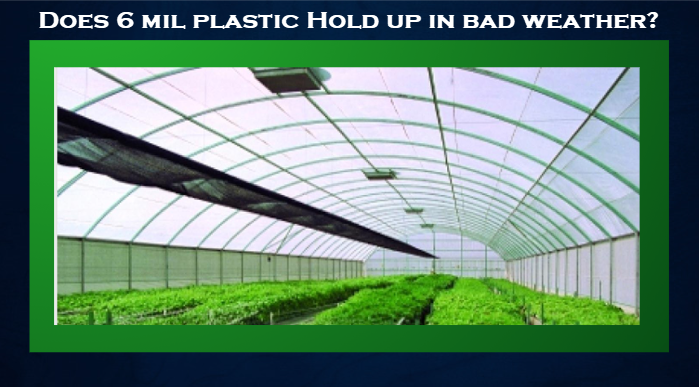
6 mil clear poly plastic is a commonly used material for greenhouse coverings and offers decent durability. However, its ability to tolerate wind, hail, snow weight, and other environmental factors depends on various factors such as the specific quality of the plastic, the greenhouse structure, and the prevailing conditions.

In terms of wind tolerance, 6 mil clear poly plastic can withstand moderate wind speeds. However, in areas with high wind exposure or during severe weather conditions, additional reinforcements like proper anchoring, windbreaks, or the use of thicker plastic may be necessary.

How Does 6 Mil Poly Greenhouse Plastic Hold Up Against Hail?

When it comes to hail, 6 mil clear poly plastic is susceptible to damage from large hailstones. Hail impact can cause punctures, tears, or even complete failure of the plastic covering. In hail-prone regions, considering thicker plastic or adding additional protective layers like shade cloth or hail netting can help minimize damage.

Snow Load and 6 Mil Poly Greenhouse Covering...how does it do?

Regarding snow weight, 6 mil clear poly plastic can handle light to moderate snow loads. However, heavy snow accumulation can cause the plastic to sag or potentially collapse. Regular snow removal or opting for stronger plastic sheeting with higher mil thickness can improve its snow load capacity.

If you require stronger poly plastic sheeting for your greenhouse, you can consider using thicker options such as 8 mil or 10 mil clear poly plastic. These thicker sheets provide enhanced durability and can better withstand challenging weather conditions.

What About SolaWrap Greenhouse Plastic? Is it stronger than 6 mil Poly?

SolaWrap, a remarkable greenhouse covering option, offers a host of benefits that set it apart from polycarbonate. With a 10-year warranty against UV degradation, it outperforms polycarbonate in terms of longevity.

The R-Value of 1.7 ensures excellent insulation, while the impressive 83% transparency allows abundant natural light into your greenhouse.

SolaWrap is the only product on the market that combines high transparency and high diffusion, providing up to 83% diffused light for optimal plant growth.

It can withstand substantial snow loads of up to 120 lbs per square foot, equivalent to approximately 15 feet of snow, and has a remarkable 100 mph wind rating, even surviving powerful 135 mph windstorms in Alaska.

Its longevity is evident from the 30 years and counting usage in European houses. Furthermore, SolaWrap retains its clarity and flexibility over time, remaining free from yellowing or brittleness. Its flexibility allows for easy rolling up inside wall curtains, and compared to polycarbonate, it offers a more cost-efficient solution for your greenhouse needs.

The 10-year warranty against UV degradation is unparalled. Read more here.

How Do You Decide on a Greenhouse Plastic?

Ultimately, the choice of poly plastic sheeting depends on your specific needs, location, and budget. Assessing factors like wind exposure, hail frequency, snow load, and desired durability will help determine the most suitable option for your greenhouse covering. Consulting with greenhouse suppliers or experts can provide further guidance tailored to your specific situation.

Tap For Pricing & Info (619) 448-4439

Resource page for Plastic Sheeting, Greenhouse Plastic, Fire Retardant Products, HDPE- LLDPE, Tapes  760 597 9298 Global plastic sheeting

Slip and Slide- Make Yours This Summer!

Posted by The Plastic Sheeting Gurus! on Thu, May 11, 2023 @ 04:11

 Splish, Splash, Slip and Slide: The Irresistible Fun of Water Slides!

slip and slide fun

When the sun is shining and the temperature soars, there's nothing quite like the exhilaration of a slip and slide water slide. These slippery wonders have captured the hearts of kids and adults alike, providing endless laughter, cooling relief, and unforgettable memories. In this light-hearted blog post, we'll dive into the reasons why slip and slide water slides are loved by all and explore the best plastic tarp options for an epic sliding adventure!

  1. The Thrill of Speed and Sliding:

From the moment you launch yourself onto the slide, anticipation builds as you pick up speed and hurtle toward the refreshing splash zone. The adrenaline rush and the sheer joy of gliding down a slippery surface is a universal experience that transcends age. Kids and adults alike can't resist the thrill of a good slide!

  1. Beat the Heat:

Water slides offer a fantastic way to beat the summer heat. As you slide along the slick surface, cool water sprays and mist envelop you, providing a refreshing respite from the scorching sun. It's the perfect recipe for laughter-filled fun and instant relief on hot summer days.

  1. Outdoor Adventures and Family Bonding:

Water slides bring families and friends together for shared outdoor adventures. Whether it's a backyard gathering, a neighborhood block party, or a day at the beach, slip and slide water slides create moments of pure enjoyment. Parents become kids again, joining their little ones in sliding races and creating cherished memories that last a lifetime.

  1. Easy Setup and Accessibility:

One of the great things about slip and slide water slides is their accessibility and ease of setup. With a simple garden hose connection and a bit of space, you can transform your backyard into a water-filled wonderland. They are portable, affordable, and provide hours of entertainment without the need for extensive preparations.

Choosing the Right Plastic Tarp (Click here):

To maximize the fun and ensure a smooth sliding experience, it's essential to choose the right plastic tarp for your water slide. Here are a few considerations:

  • Durable and Slippery Material: Look for a sturdy and slick plastic tarp that can withstand the rigors of sliding. Heavy-duty polyethylene tarps are a popular choice as they are durable, waterproof, and provide excellent sliding action.

  • Size and Length: Consider the dimensions of your desired slide and choose a tarp that offers ample length for a thrilling ride. Longer tarps provide extended sliding paths, allowing for more excitement.

  • Safety Features: Opt for tarps with reinforced edges and secure anchoring options to ensure a safe and secure sliding experience. Additionally, check for non-toxic materials and non-slip surfaces to prioritize safety.

Conclusion:

Slip and slide water slides are the epitome of summer fun, bringing joy, laughter, and relief on hot days. Whether you're a child at heart or a kid at play, the thrill of sliding and splashing down a water-filled path is hard to resist. With the right plastic tarp and a dash of imagination, you can transform your backyard into a sliding paradise. So grab your swimsuits, invite your friends and family, and get ready for a splashing good time that will create memories to cherish for years to come!

Disclaimer: Always ensure proper supervision and follow safety guidelines when using water slides.

Take a minute and look at this video our customer made! It's Amazing!


Tap For Pricing & Info (619) 448-4439


Fire Safety Inspection Check-List for Haunted House

Posted by The Plastic Sheeting Gurus! on Thu, May 11, 2023 @ 03:53

Save Yourself A Call...Don't Call The Fire Department,                                                   Call Global Plastic Sheeting for Fire Retardant Products

Fire Safety GPS

When conducting fire safety inspections at a haunted house, fire marshals typically look for adherence to specific guidelines and standards. While the exact requirements may vary based on local regulations, here are some common checklists for fire safety that fire marshals may evaluate:

  1. Emergency Exits and Evacuation Routes:
  • Are emergency exits clearly marked and easily accessible?
  • Are exit signs visible and illuminated?
  • Are exit routes free from obstructions and adequately wide to accommodate the expected occupancy?
  • Is there a sufficient number of emergency exits based on the venue's capacity?
  1. Fire Suppression Systems and Equipment:
  • Are fire extinguishers strategically placed throughout the haunted house? Are they easily accessible and properly maintained?
  • Are there functional smoke detectors and fire alarm systems installed?
  • Are there sprinkler systems or other fire suppression systems in place, if required by local regulations?
  1. Electrical Safety:
  • Are all electrical systems, wiring, and outlets in good condition?
  • Are extension cords used safely and not overloaded?
  • Are there proper measures in place to prevent electrical hazards, such as exposed wires or faulty equipment?
  1. Decorative Materials and Props:
  • Are all decorations, props, and scenic materials flame-resistant or treated with fire retardant solutions?
  • Are combustible materials kept away from open flames or heat sources?
  • Are aisles, walkways, and passageways kept clear of decorations and props to maintain safe pathways for evacuation?
  1. Exit Lighting and Emergency Lighting:
  • Is there adequate lighting in the haunted house, including emergency lighting during power outages?
  • Are all lighting fixtures properly installed, protected, and functioning?
  1. Crowd Management:
  • Is the venue's maximum occupancy limit clearly established and posted?
  • Is there a crowd management plan in place to prevent overcrowding and ensure a safe flow of people during peak times?
  1. Training and Staff Awareness:
  • Are staff members trained in emergency procedures and evacuation protocols?
  • Do staff members know how to operate fire suppression systems, if applicable?
  • Are there designated individuals responsible for monitoring fire safety during operation hours?

Don't Forget the Fire Retardant Black Plastic Sheeting and FR Tapes! Click here.

It's important to note that these checklists serve as general guidelines, and specific requirements may vary depending on local regulations and the scope of the haunted house. Consulting with the local fire marshal or fire authorities is crucial to ensure compliance and address any specific concerns they may have.

Remember, fire safety is paramount in creating a safe and enjoyable haunted house experience. By addressing these key areas and working closely with the fire marshal's office, you can ensure a successful event that prioritizes the well-being of attendees.

Tap For Pricing & Info (619) 448-4439