Plastic Sheeting Blog. Click on Home for all our product categories...

The Importance of Liners in Evaporative Lagoon Systems"

Posted by The Plastic Sheeting Gurus! on Thu, Aug 31, 2023 @ 10:03

Harnessing Nature's Power: The Wastewater Evaporative Lagoon System
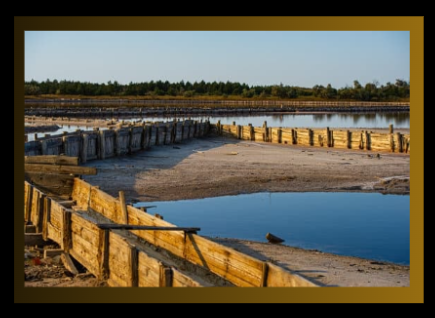
Wastewater Evaporative Lagoon Systems

Introduction

Wastewater management is a critical concern for industries and municipalities worldwide. Traditional methods of treatment, while effective, can be energy-intensive and expensive. Enter the Wastewater Evaporative Lagoon System, an ingenious solution that harnesses the power of nature to treat and manage wastewater. In this blog, we'll delve into what this system is, when it's built, its applications, and key factors to consider when implementing it.

What is a Wastewater Evaporative Lagoon System?

A Wastewater Evaporative Lagoon System is a natural and sustainable wastewater treatment method. It consists of a series of shallow ponds or lagoons specifically designed for the biological treatment and evaporation of wastewater. These lagoons work in tandem with the sun, wind, and natural processes to treat and ultimately evaporate the wastewater, leaving behind treated effluent and solid residues.

When is it Built?

Wastewater Evaporative Lagoon Systems are typically built when there's a need for cost-effective, low-energy wastewater treatment in regions with a warm and dry climate. These systems are particularly effective in arid areas with high evaporation rates, making them a suitable choice for various industries and municipalities.

Applications of Wastewater Evaporative Lagoon Systems

  1. Agriculture: Farmers often use these systems to treat agricultural wastewater, which can contain nutrients and organic matter. Treated effluent can be reused for irrigation, conserving water resources.

  2. Industrial Facilities: Industries such as food processing, textiles, and mining utilize evaporative lagoons to manage and treat their wastewater. The system can effectively remove contaminants and reduce the environmental impact of industrial processes.

  3. Municipalities: In areas where there's limited access to advanced wastewater treatment infrastructure, municipal wastewater can be treated in evaporative lagoons. These systems can be a cost-effective solution for small towns and rural communities.

Factors to Consider When Implementing a Wastewater Evaporative Lagoon System

  1. Climate: Evaporative lagoon systems are most effective in warm, dry climates with high evaporation rates. Consider the local climate and weather patterns to determine the system's feasibility.

  2. Site Selection: Choose a suitable site that is well-drained, has sufficient space, and complies with regulatory requirements. Soil permeability and groundwater levels are critical factors to assess.

  3. Design and Sizing: Properly design the lagoon system to accommodate the expected wastewater volume and load. Adequate sizing ensures efficient treatment and evaporation.

  4. Regulatory Compliance: Understand and adhere to local, state, and federal regulations regarding wastewater discharge and treatment. Ensure the system meets environmental standards.

  5. Maintenance and Monitoring: Regular maintenance, monitoring, and testing are essential for the system's long-term effectiveness. Develop a maintenance plan and schedule to prevent issues.

  6. Safety Measures: Implement safety measures to protect personnel and wildlife. Fencing, signage, and other precautions may be necessary.

The Lining of a Waste Water Evaporation Pond is Critical

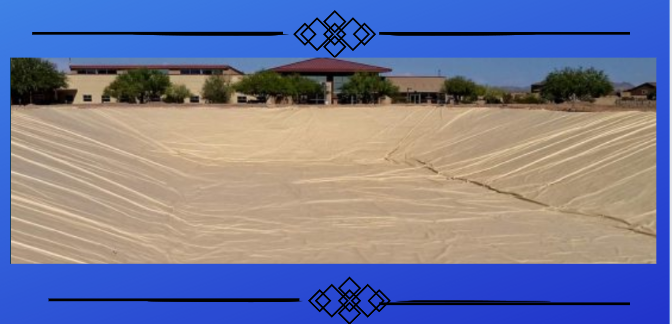
Lining a wastewater evaporative lagoon is a crucial aspect of its design and construction, as it helps prevent groundwater contamination and ensures the effectiveness of the system. Here are some additional considerations for lining a wastewater evaporative lagoon:

  1. Liner Material Selection: Choose an appropriate liner material based on factors such as the lagoon's size, the type of wastewater being treated, and local environmental conditions. Common liner materials include clay, synthetic liners (HDPE, PVC), and geomembranes. Each has its advantages and disadvantages, so consult with a geotechnical or environmental engineer to select the best option.

  2. Permeability: The liner should have low permeability to prevent wastewater from seeping into the ground or groundwater from infiltrating the lagoon. The permeability of the liner material should be tested and considered in the design.

  3. Liner Installation: Proper installation is critical to the effectiveness of the liner. It should be installed without wrinkles or creases to maintain its integrity and prevent leaks. Experienced professionals should handle the installation.

  4. Leak Detection and Monitoring: Implement a leak detection system, such as the use of leak detection sensors or regular visual inspections, to promptly identify and address any breaches in the liner. Monitoring the liner's condition over time is crucial for long-term effectiveness.

  5. Anchor and Ballast Systems: Depending on the liner material, consider anchor or ballast systems to secure the liner in place. This is especially important in areas with high winds, as it prevents liner displacement.

  6. Protection from UV and Weathering: If using synthetic liners or geomembranes, protect them from ultraviolet (UV) radiation and weathering by covering them with soil, gravel, or other appropriate materials. UV exposure can degrade these materials over time.

  7. Seams and Overlaps: Pay special attention to the seams and overlaps in the liner material. Proper welding, sealing, or joining techniques should be employed to ensure that these areas are watertight.

  8. Chemical Compatibility: Consider the compatibility of the liner material with the wastewater being treated. Some chemicals in wastewater can deteriorate certain liner materials, leading to premature failure.

  9. Regulatory Compliance: Ensure that the liner design and installation comply with local, state, and federal regulations governing environmental protection and containment of hazardous materials.

  10. Repair and Maintenance: Develop a plan for repairing and maintaining the liner as needed. This may include periodic inspections, patching or repairing damaged sections, and routine maintenance to extend the liner's lifespan.

  11. Erosion Control: Implement erosion control measures around the lagoon to prevent erosion of the liner's protective cover and to maintain the lagoon's structural integrity.

  12. Emergency Response Plan: Develop an emergency response plan in case of liner breaches or failures. This plan should include procedures for containing spills and mitigating environmental damage.

Consulting with experienced engineers and environmental professionals is essential when designing and constructing the liner for a wastewater evaporative lagoon. They can help ensure that the liner system is appropriately designed, installed, and maintained to protect both the environment and the lagoon's long-term functionality.

Wastewater Evaporative Lagoon Systems offer a sustainable and cost-effective approach to wastewater treatment in suitable climates. By utilizing the power of nature, these systems not only treat wastewater but also minimize the environmental impact of industrial and municipal operations. When considering such a system, carefully assess the factors mentioned above to ensure a successful and eco-friendly wastewater management solution.


Tap For Pricing & Info (619) 448-4439

Tags: WastewaterManagement, LinerProtection, EvaporativeLagoons

The Comprehensive Guide to Crawl Space Vapor Barriers

Posted by The Plastic Sheeting Gurus! on Wed, Aug 30, 2023 @ 01:14

This comprehensive outline delves into the crucial realm of crawl space vapor barriers, shedding light on their significance and the factors to consider when selecting the right thickness. We'll explore the science behind crawl space liners, assess their durability, and uncover the advantages of thicker options, particularly the 20 Mil String Reinforced Liner. Additionally, we'll highlight the pivotal role of high-grade materials in ensuring long-term reliability and safeguarding your home against moisture-related issues, pests, and radon. By the end of this exploration, you'll be equipped with the knowledge needed to make informed decisions and effectively protect your home with proper crawl space vapor barriers.

Table of Contents:

  • Introduction
    • The Importance of Crawl Space Vapor Barriers
    • Seeking Professional Guidance
  • Selecting the Right Thickness: Comparing 6 Mil, 12 Mil, and 20 Mil Liners
    • Understanding Mil Thickness in Vapor Barriers
    • Deciding Factors: Conditions and Usage
    • Comparing Thickness to Different Sweater Types
  • Thicker is Smarter: Why Invest in a Thicker Crawl Space Liner
    • Avoiding Mistakes and Musty Odors
    • Long-Term Reliability: Doing the Job Right the First Time
    • Assessing Durability: Walking Space and Storage Needs
  • The Power of a 20 Mil String Reinforced Liner
    • Benefits of 20 Mil Thickness
    • Essential Tests and Liner Strength
    • Radon Blocking Capabilities
  • Understanding Crawl Space Vapor Barrier Tests
    • Water Vapor Transmission Rate (WVTR) Test
    • Elongation, Tear Strength, Load Yield, and More
    • Obtaining Information from Installers and Suppliers
  • The Critical Role of Crawl Space Liner Materials
    • Significance of High-Grade Raw Materials
    • Virgin Polyethylene vs. "Construction Grade Films"
    • Unsuitability of Commodity Films for Crawl Spaces
  • Ensuring Longevity: Life-Span of the Vapor Barrier
    • Dangers of Sub-Par Materials
    • Resisting Decay and Moisture Attack
    • Recognizing Liner Degradation Over Time
  • Key Questions for Crawl Space Installers (And What You Should Know)
    • Evaluating Material Composition
    • The Value of 100% Virgin Polyethylene
    • Providing Your Own Reinforced Polyethylene
    • Installation Methods and Practices
    • Understanding Water Vapor Transmission Rate and Class
  • Addressing Challenges in Dirt Floor Crawl Spaces
    • Consequences of Wet and Smelly Conditions
    • The Threat of Mold, Mildew, and Rot
    • Uninvited Guests: Pests in Damp Crawl Spaces
    • The Radon Issue: Protection from Below
  • Conclusion
  • Making Informed Decisions
  • Safeguarding Your Home with Proper Crawl Space Vapor Barriers

Tags: CrawlSpaceProtection, HomeMoistureControl, VaporBarriers101

Navigating the Dry Dock: Fire Retardancy and Deck Protection for Navy Ships

Posted by The Plastic Sheeting Gurus! on Wed, Aug 30, 2023 @ 04:00

Navigating the Dry Dock: Fire Retardancy and Deck Protection for Navy Ships

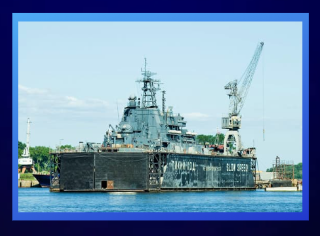
In the world of naval operations, the term "dry dock" carries significant weight. It's a critical phase in a ship's life cycle that involves a wide array of maintenance, inspections, and enhancements. As ships are taken out of the water and into a dry dock, ensuring the safety and integrity of these vessels becomes paramount. Among the many factors to consider, fire retardancy plays a pivotal role in safeguarding both the ship and its crew. This is where products like GPS DeckProtek™ and GPS DeckProtek Diamond Deck Plate™ come into play, providing extra heavy-duty, highly fire-retardant protective coverings for ship decks.

Dry Dock: The Ship's Pit Stop

A dry dock is essentially a large basin or chamber that can be filled with water to allow ships to float in and then drained to allow them to rest on a dry platform. This process enables vital maintenance and repairs that are impossible to carry out while a ship is afloat. The ship is brought into the dry dock for a range of reasons, including routine maintenance, repairs, inspections, and even significant upgrades.

When a ship goes into dry dock, it's akin to a race car entering the pit stop during a race. Every aspect of the vessel is scrutinized, and necessary work is undertaken to ensure it remains seaworthy and mission-ready. This includes inspections of the hull for damage, the replacement of worn-out components, and the application of protective coatings. However, one crucial aspect that deserves special attention is fire safety.

Fire Safety in Dry Dock

Fire safety on a ship is a paramount concern, both during its regular operations and when it's undergoing maintenance in dry dock. The unique environment of a ship, with confined spaces and complex systems, demands robust fire prevention and suppression measures.

This is where fire-retardant products like GPS DeckProtek Battleship Gray FR and GPS DeckProtek Diamond Deck Plate shine. These protective coverings are engineered to be highly fire retardant, and they have undergone rigorous testing, such as the NFPA 701-23 Test 1 fire retardant standard, ensuring they meet the stringent requirements for shipboard protection on US Navy ships and the Coast Guard Fleet.

Why Fire Retardancy Matters

  1. Protecting Lives: The safety of a ship's crew is of paramount importance. Fire incidents at sea can be catastrophic. Fire-retardant materials can delay the spread of flames and give crew members more time to respond and evacuate if necessary.

  2. Preserving Assets: Naval vessels are valuable assets. Fire can not only cause immediate damage but can also compromise critical systems, leading to long-term operational issues. Fire-retardant coverings help preserve the ship's structural integrity and functionality.

  3. Environmental Considerations: Fire incidents on ships can result in oil spills and environmental damage. Fire-retardant materials can help contain and mitigate the impact of such incidents.

GPS DeckProtek: The Fire-Resistant Solution

GPS DeckProtek Battleship Gray FR and GPS DeckProtek Diamond Deck Plate offer a range of finishes, thicknesses, and colors to suit different ship deck applications. The gray color, in particular, is popular as it doesn't show dirt easily and maintains an aesthetically pleasing appearance.

Moreover, these products are not only highly effective but also environmentally conscious. They are manufactured in ISO-9001-2000 certified plants in the USA and are designed with minimal packaging to reduce waste.

In conclusion, when a ship enters dry dock, it's an opportunity to ensure it's in top-notch condition for the next phase of its mission. Fire retardancy is an indispensable aspect of this process, and products like GPS DeckProtek™ and GPS DeckProtek Diamond Deck Plate™ are essential tools for safeguarding the ship, its crew, and the environment. When it comes to protecting naval assets, ensuring fire safety is not just a priority; it's a mission-critical imperative.

Visit the DeckProtek Product Pages Here

Tap For Pricing & Info (619) 448-4439

Resource page for Plastic Sheeting, Greenhouse Plastic, Fire Retardant Products, HDPE- LLDPE, Tapes  760 597 9298 Global plastic sheeting

Tags: Dry Dock Maintenance, Fire Retardant Ship Deck Protection, Naval Safety Standards

What is Coated Woven Weldable Plastic Sheeting?

Posted by The Plastic Sheeting Gurus! on Tue, Aug 29, 2023 @ 02:08

Unveiling the Versatility of Coated Woven Weldable Sheeting

In the world of industrial and environmental protection, specialized materials play a pivotal role in ensuring safety, durability, and containment. Coated Woven Weldable Sheeting is one such material that has gained recognition for its versatility and effectiveness in various applications. In this blog, we'll delve into what Coated Woven Weldable Sheeting is, who needs it, and its wide range of applications.

Understanding Coated Woven Weldable Sheeting

Coated Woven Weldable Sheeting is a composite material crafted from a woven fabric base, typically made of high-strength polyethylene or polypropylene, and coated with a layer of plastic or polymer. This combination of woven fabric and coating results in a sheeting material that offers a unique blend of strength, durability, and flexibility.

Who Needs Coated Woven Weldable Sheeting?

  1. Construction Industry: Coated Woven Weldable Sheeting finds extensive use in the construction sector. It serves as a protective barrier for various surfaces and substrates during construction projects. Contractors rely on it to shield floors, walls, and even scaffolding from damage caused by construction activities.

  2. Environmental Containment: The environmental sector frequently employs Coated Woven Weldable Sheeting for containing and managing potentially hazardous materials. It's used in landfills, wastewater treatment plants, and containment areas to prevent leaks and protect the surrounding environment.

  3. Agriculture: Farmers utilize this sheeting as grain covers to protect harvested crops from adverse weather conditions, moisture, and pests. Its durability ensures that valuable harvests remain safe until they are ready for processing or sale.

  4. Athletic Facilities: Athletic field covers made from Coated Woven Weldable Sheeting provide protection for sports fields during inclement weather. They help maintain field quality and prevent damage.

Applications of Coated Woven Weldable Sheeting

  1. Landfill Covers: Coated Woven Weldable Sheeting serves as a reliable liner and cover for landfills, preventing the escape of hazardous waste materials into the environment.

  2. Grain Storage: In agriculture, it's used to create grain covers, protecting crops from moisture and pests during storage.

  3. Athletic Fields: It safeguards athletic fields, including football and soccer fields, from damage caused by heavy use, adverse weather, or maintenance work.

  4. Drainage Canals: Coated Woven Weldable Sheeting can be used to line and protect drainage canals, ensuring efficient water flow and preventing erosion.

  5. Environmental Remediation: During soil remediation projects, this material acts as a barrier to contain and control contaminants, preventing their spread.

  6. Construction: Construction sites benefit from Coated Woven Weldable Sheeting as it offers surface protection for floors, walls, and other vulnerable areas.

  7. Oil and Gas Industry: It plays a role in spill containment, preventing oil and chemical spills from spreading and causing environmental damage.

Coated Woven Weldable Sheeting's remarkable versatility, durability, and effectiveness make it a valuable asset in various industries and applications. Whether you're in construction, agriculture, environmental protection, or sports field maintenance, this material offers a reliable solution for safeguarding surfaces, containing materials, and ensuring long-lasting protection. As technology and manufacturing techniques continue to advance, we can expect to see even more innovative applications for Coated Woven Weldable Sheeting in the future.

Visit the product page here

Tap For Pricing & Info (619) 448-4439

Resource page for Plastic Sheeting, Greenhouse Plastic, Fire Retardant Products, HDPE- LLDPE, Tapes  760 597 9298 Global plastic sheeting

Tags: Coated Woven Sheeting, Weldable Sheeting, Environmental Protection

Lagoon Liners vs. Drainage Canals-Choosing the Right Liner Thickness

Posted by The Plastic Sheeting Gurus! on Tue, Aug 29, 2023 @ 01:54

Thicker or Thinner? Liner Choices for Lagoons and Drainage Canals

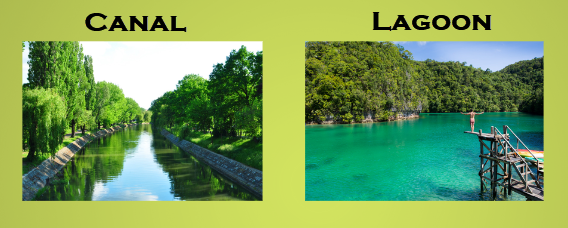
Canal vs lagoon= Liner Thickness?

When it comes to containment solutions for liquid applications, selecting the appropriate liner thickness is a crucial decision. Two common applications that require liners are lagoons and drainage canals, and the choice of liner thickness can vary significantly between these two. In this blog, we'll explore why lagoon liners typically require a thicker liner than drainage canals and provide additional insights into making the right choice for your specific needs.

Understanding Lagoon Liners

Lagoons serve a multitude of purposes, from wastewater treatment to containment of hazardous materials and even ornamental ponds in landscaping. What sets lagoons apart is their size and capacity to hold liquids for an extended period. This extended exposure to liquids and the environment requires lagoon liners to be more robust and durable.

Here are some key reasons why lagoon liners are often thicker:

  1. Durability: Lagoon liners need to withstand prolonged exposure to various environmental factors. They may be subjected to temperature fluctuations, UV radiation, and the potential for punctures from vegetation or wildlife. A thicker liner provides enhanced durability against these stresses.

  2. Puncture Resistance: Lagoons are often larger and more exposed to external factors that can lead to punctures. A thicker liner is better equipped to resist punctures, ensuring the integrity of the containment system.

  3. Liquid Retention: Lagoons are designed to retain liquids for extended periods. A thicker liner minimizes the risk of leakage or seepage, which is particularly critical for applications like wastewater treatment.

Exploring Drainage Canal Liners

In contrast to lagoons, drainage canals serve a specific purpose: efficiently moving water from one location to another. Drainage canals tend to be shallower and narrower than lagoons and do not hold hazardous materials for an extended period. Therefore, they may not require the same level of liner thickness.

Here's why drainage canal liners may have a thinner profile:

  1. Primary Function: Drainage canals are primarily designed to transport water, not to store it for extended periods. This means they experience less exposure to potentially damaging environmental factors and do not need the same level of puncture resistance as lagoons.

  2. Cost-Effectiveness: Thicker liners are generally more expensive than thinner ones. For drainage canals, where prolonged liquid retention isn't a primary concern, a thinner liner can provide cost-effective containment.

  3. Environmental Impact: Thinner liners typically use fewer materials, which can reduce the environmental footprint of the containment system.

Making the Right Choice

When selecting a liner thickness for your project, consider the following steps:

  1. Assess Your Needs: Evaluate the specific requirements of your application. Consider factors such as the type of liquid or material being contained, the potential for punctures or abrasions, and the expected environmental conditions.

  2. Consult Experts: Liner specialists or engineers experienced in containment systems can provide valuable insights and recommendations tailored to your project's unique needs.

  3. Cost-Benefit Analysis: Weigh the benefits of a thicker liner against the project's budget. Sometimes, a slightly thicker liner can offer significant advantages in terms of longevity and durability.

In conclusion, the choice of liner thickness between lagoon liners and drainage canal liners is driven by the specific demands of each application. Lagoons, with their extended exposure and capacity for hazardous materials, often require thicker liners. Drainage canals, with their primary function of water movement, can often make do with thinner liners, providing a cost-effective solution. Regardless of your choice, careful assessment and expert consultation are key to ensuring an effective and long-lasting containment system for your project.

Visit the Product Page Here

  Tap For Pricing & Info (619) 448-4439

Resource page for Plastic Sheeting, Greenhouse Plastic, Fire Retardant Products, HDPE- LLDPE, Tapes  760 597 9298 Global plastic sheeting

Tags: Liner Thickness, Lagoon Liners, Drainage Canals

Reinforced Polypropylene Liners: UV-Resistant & Impermeable Solutions

Posted by The Plastic Sheeting Gurus! on Tue, Aug 29, 2023 @ 10:30

Unveiling the Power of Reinforced Polypropylene Liners

Reinforced Polypropylene liners

Introduction

If you're in search of a reliable and durable liner material for various applications, look no further than Reinforced Polypropylene (RPP). Commonly known as PP, Polypropylene is a versatile synthetic polymer. When it's fortified and used as a liner, it offers exceptional benefits due to its unique properties. In this comprehensive guide, we'll delve into the world of Reinforced Polypropylene liners and why they are an excellent choice for your projects.

Reinforced Polypropylene - Unmatched UV Resistance

One of the standout features of Reinforced Polypropylene is its remarkable resistance to ultraviolet (UV) radiation and weathering. When exposed to sunlight and harsh weather conditions, this material remains highly durable and maintains its integrity over time. In fact, it is backed by an impressive 20-year warranty for UV and weathering resistance, making it a reliable choice for extended use in various applications.

Different Thickness Options

Reinforced Polypropylene liners come in different thickness options, allowing you to choose the one that suits your specific needs. Two common thicknesses are the 45 mil and 36 mil liners:

  1. 45 mil Reinforced Polypropylene: This thicker option is renowned for its industry-leading 20-year warranty for UV resistance. It's ideal for applications that demand the utmost durability and longevity.

  2. 36 mil Reinforced Polypropylene: Slightly thinner than the 45 mil version, the 36 mil liner offers a 15-year warranty for UV resistance. It's suitable for applications where a thinner liner can effectively meet containment needs.

Exceptional Impermeability

An essential characteristic of Reinforced Polypropylene is its exceptional impermeability. This means it acts as an effective barrier to prevent the passage of liquids or gases. Additionally, the material exhibits high chemical resistance, making it a preferred choice for applications where containment is crucial.

Applications of Reinforced Polypropylene Liners

Reinforced Polypropylene liners find use in a wide range of applications due to their excellent properties. Here are some common uses for both 45 mil and 36 mil liners:

Applications for 45 mil Reinforced Polypropylene Liner:

  1. Evaporation Ponds: Used to prevent excessive water loss in ponds.
  2. Freshwater Ponds: Provides a durable lining for ponds.
  3. Retention Pond Liners: Ensures water remains where it's needed.
  4. Nursery Pond Liners: Suitable for nursery water features.
  5. Reservoirs: Lines reservoirs to prevent seepage.
  6. Temporary Oil Pit Liners: Offers containment for oil and other liquids.
  7. Lagoon Liners: Used in various types of lagoons.
  8. Landfills: Prevents leachate from contaminating soil and groundwater.
  9. Pond and Lagoon Liners: Contains agricultural and industrial wastewater.
  10. Reservoirs and Water Storage: Maintains water quality and prevents seepage.
  11. Mining and Heap Leach Pads: Minimizes environmental impact.
  12. Secondary Containment: Prevents chemical spills from spreading.
  13. Waste Treatment Plants: Ideal for high chemical resistance applications.

Applications for 36 mil Reinforced Polypropylene Liners:

  1. Waste Water Treatment Plants: Offers protection in demanding environments.
  2. Evaporation Ponds: Controls water loss.
  3. Freshwater Ponds: Suitable for smaller ponds.
  4. Retention Pond Liners: Ensures water retention.
  5. Nursery Pond Liners: Ideal for nursery water features.
  6. Reservoirs: Prevents seepage in water storage.
  7. Temporary Oil Pit Liners: Contains oil and other liquids.
  8. Lagoon Liners: Used in various lagoon applications.
  9. Erosion Control: Stabilizes slopes and prevents soil erosion.
  10. Golf Course Water Hazards: Provides water containment for golf course features.
  11. Rainwater Harvesting Systems: Stores harvested rainwater.
  12. Green Roofs: Acts as a waterproofing barrier.

Note: The appropriate thickness of the reinforced polypropylene liner depends on the specific requirements of each application. Thicker 45 mil liners are generally recommended for more demanding applications or where increased durability and longevity are needed. On the other hand, the 36 mil liners are suitable for less demanding applications or situations where a thinner liner is sufficient to meet the containment needs.

Choosing the Right Supplier

When considering Reinforced Polypropylene liners, it's crucial to select a reputable supplier. Not all liners are the same, and quality can vary among different products. Investing in a high-quality Reinforced Polypropylene liner ensures that you'll benefit from its outstanding features and extended lifespan.

Conclusion

In conclusion, Reinforced Polypropylene is a premium choice for liners due to its unparalleled UV and weathering resistance, impermeability, and high chemical resistance. Its application in critical containment areas, like waste treatment plants, demonstrates its reliability in demanding environments. When considering this material, always choose a reputable supplier to ensure you get the best performance and longevity for your specific needs. Whether it's a 45 mil or 36 mil liner, Reinforced Polypropylene offers peace of mind for your containment projects, backed by impressive warranties and unmatched performance.

Visit the product page to learn more here

Tap For Pricing & Info (619) 448-4439

Resource page for Plastic Sheeting, Greenhouse Plastic, Fire Retardant Products, HDPE- LLDPE, Tapes  760 597 9298 Global plastic sheeting

Tags: Reinforced Polypropylene Liners, UV-Resistant Liner, Impermeable Polypropylene

Saving Time and Money with Plastic Sheeting: Innovative Applications and Smart Tips

Posted by The Plastic Sheeting Gurus! on Mon, Aug 28, 2023 @ 01:15

Plastic Sheeting Unleashed: Innovative Ways to Save Big

Introduction

In today's fast-paced world, finding ways to save both time and money is essential. One versatile and often underestimated tool that can help you achieve this is plastic sheeting. Whether you're a homeowner, a DIY enthusiast, or a business owner, plastic sheeting offers numerous applications that can streamline tasks, protect investments, and reduce costs. In this blog, we'll explore various ways to save time and money by using plastic sheeting, including some unique applications you may not have considered.

  1. Plastic Sheeting To Protecting Furniture and Appliances

Plastic sheeting can serve as a protective barrier for your valuable furniture and appliances. When you're painting a room or renovating, covering these items with plastic sheeting can save you the time and expense of cleaning or replacing them due to accidental damage. It's an excellent investment to prevent paint splatters, dust, and other potential hazards.

Unique Application: If you're moving or storing furniture, wrap them in plastic sheeting to protect against dust, moisture, and scratches, reducing the need for costly repairs or replacements.

  1. Garden and Landscaping

Gardening and landscaping enthusiasts can benefit from using plastic sheeting to control weeds and improve soil quality. By laying down plastic sheeting, you can suppress weed growth, retain moisture, and enhance the effectiveness of mulch. This not only saves time spent weeding but also reduces the need for expensive herbicides.

Unique Application: Create a mini greenhouse by constructing a hoop structure with plastic sheeting, allowing you to extend your growing season and protect delicate plants from harsh weather.

  1. Insulating Your Home

Proper insulation is key to reducing energy bills. Plastic sheeting, when used as a vapor barrier in conjunction with traditional insulation materials, can help maintain a consistent indoor temperature. This reduces the workload on your heating and cooling systems, resulting in substantial energy savings over time.

Unique Application: In colder climates, you can use clear plastic sheeting to create a passive solar heater, capturing and storing heat from the sun to warm your home naturally.

  1. DIY Home Improvement

Home improvement projects often generate dust, debris, and potential hazards. Plastic sheeting is a cost-effective solution for containing messes during projects like drywall installation, popcorn ceiling removal, or floor refinishing. It can save you hours of cleanup time and reduce the risk of damage to other parts of your home.

Unique Application: When painting walls with multiple colors or intricate designs, use plastic sheeting as a stencil to achieve precise lines and patterns without the need for tape.

  1. Construction and Renovation

Contractors and builders rely on plastic sheeting for a wide range of applications. It's commonly used as temporary walls, dust barriers, and floor protection on construction sites. This not only saves time by keeping work areas clean but also minimizes the risk of costly damage to finished surfaces.

Unique Application: Use heavy-duty plastic sheeting to create a temporary shelter on construction sites, offering protection from the elements and allowing work to continue in adverse weather conditions.

  1. Automotive Maintenance

If you're a car enthusiast or a DIY mechanic, plastic sheeting can be your best friend. It helps contain spills, prevent oil and grease stains on your garage floor, and keeps your workspace clean and organized. This can save you money on cleaning supplies and reduce the time spent on post-maintenance cleanup.

Unique Application: Create a custom car cover with plastic sheeting to protect your vehicle from dust, moisture, and debris while it's parked in the garage.

Conclusion

Plastic sheeting is a versatile tool that can help you save both time and money in various aspects of life. From protecting your home and possessions to aiding in gardening, construction, and automotive maintenance, its applications are wide-ranging. By considering these innovative uses of plastic sheeting, you can streamline your projects, reduce expenses, and enjoy a more efficient and cost-effective lifestyle. So, the next time you have a project or task at hand, don't forget to reach for the plastic sheeting—it's a small investment that can yield significant returns.


Tap For Pricing & Info (619) 448-4439

Tags: MoneySavingTips, PlasticSheeting, TimeSaving

Plastic Sheeting That Lasts In The Sun

Posted by The Plastic Sheeting Gurus! on Tue, Aug 22, 2023 @ 02:24

Poly Scrim 20-HDPE: The Versatile Film That Does It All"

7-Ply Strength- 30-48 months Endurance in the Sun!

Introduction: In the world of specialized materials, understanding the jargon can be a bit like deciphering a secret code. However, some materials are so exceptional that they deserve a closer look, even for the average person. One such material is Poly Scrim 20-HDPE, a 7-ply laminate that combines layers of high-density polyethylene and high-strength cord grids. In this blog, we'll break down the benefits of Poly Scrim 20-HDPE in everyday terms, so you can appreciate its remarkable qualities without the need for a science degree.

The Building Blocks of Poly Scrim 20-HDPE: Poly Scrim 20-HDPE is no ordinary film; it's a carefully engineered combination of materials designed to excel in strength, durability, and versatility. Let's explore why it stands out:

1. Layered Strength:

  • Imagine stacking layers of high-density polyethylene and reinforcing them with high-strength cord grids. This layering creates a powerful combination that resists punctures and tears with ease.

2. Sun-Defying Protection:

  • Thanks to UV stabilization, Poly Scrim 20-HDPE doesn't back down from the sun's relentless rays. It can withstand extended exposure to sunlight without losing its integrity.

3. Cold Weather Champion:

  • Cold-crack resistance is another superpower in its arsenal. This means it won't fail you even in extremely cold temperatures, making it reliable year-round.

4. Chemical Toughness:

  • When it comes to chemical exposure, this film is no pushover. It can withstand exposure without significant deterioration, ensuring its longevity.

5. Moisture Barrier:

  • Low permeability is a fancy term that simply means it's excellent at keeping moisture at bay. This feature is handy in various applications where moisture transmission is a concern.

6. Lightweight and Flexible:

  • Despite its strength, Poly Scrim 20-HDPE remains flexible and lightweight. This makes it easy to handle and quick to install, even for the average DIY enthusiast.

7. Savings Through Durability:

  • High durability isn't just about longevity; it's also about savings. With Poly Scrim 20-HDPE's ability to endure wear and tear, you'll find yourself replacing it less often, which translates to significant cost savings.

8. Complies with Standards:

  • It's not just any film; it's a Class A product that meets the ASTM E-1745-11 Standard Specification for Water Vapor Retarders Used in Contact With Soil or Granular Fill Under Concrete Slabs.

Usable Temperature Range:

  • Poly Scrim 20-HDPE laughs in the face of extreme temperatures, with a range that goes from a bone-chilling -45°F (-42°C) to a scorching 170°F (77°C).

Outdoor Endurance:

  • In the world of continuous exposure, Poly Scrim 20-HDPE boasts an impressive average life expectancy of 30 to 48 months. That's resilience you can rely on.
  • Material: 3-ply laminate, combining 2 layers of linear low density polyethylene and 1 high strength non-woven cord grids.
  • Weight:  ASTM D 3776: 93 lb/1,000 ft2 (45 kg/100 m2
  • Puncture, Propagation Tear: ASTM D 2582: 50 lbs (222 N)
  • Permeance (Perm): ASTM E 96: 0.019 grains/hr-ft2-in Hg (1.06 ng/(Pa-s-m2)).
  • Drop Dart D:  1709: 910 g.
  • Tensile Strength 3 Inches, ASTM D 882: 150 lb/2,630 psi (667N/18,100 kPa).
  • Usable Temperature Range: -45 to 170 degrees F (-42 to 77 degrees C).
  • Storage: Store materials in a clean, dry area
  • USABLE TEMPERATURE RANGE:
    Minimum: -40 degrees F -40 degrees C
    Maximum: 170 degrees F 77 degrees C

Poly Scrim 20-HDPE's  Wide Range of Applications

  1. Construction Vapor Barrier: Use it as a moisture barrier under concrete slabs to prevent moisture infiltration, ensuring the longevity of the structure.

  2. Crawl Space Encapsulation: Seal crawl spaces to control moisture, improve indoor air quality, and protect against mold and pests.

  3. Roofing Underlayment: As an underlayment material, it provides an additional layer of protection against water infiltration, enhancing roof durability.

  4. Ground Cover: Use it in landscaping to suppress weed growth and prevent soil erosion.

  5. Pond Liner: Create durable pond liners that resist tears and punctures, ensuring water containment.

  6. Greenhouse Cover: Protect plants and crops from the elements while maintaining a controlled environment.

  7. Temporary Roof Repairs: In emergency situations, it can serve as a temporary roof cover to prevent further water damage.

  8. Outdoor Furniture Covers: Protect your outdoor furniture from rain and UV exposure to prolong its lifespan.

  9. Boat or Vehicle Cover: Shield boats, cars, and recreational vehicles from the elements during storage.

  10. Outdoor Event Shelter: Create a weather-resistant shelter for outdoor events, picnics, or camping.

  11. DIY Camping Tarp: Craft your camping tarp to provide shade and weather protection at your campsite.

  12. Construction Enclosure: Use it to enclose construction sites, protecting workers and equipment from adverse weather conditions.

  13. Emergency Shelter: In disaster situations, it can be used to create temporary shelters for displaced individuals and families.

  14. Garden Plant Protection: Guard your garden plants from frost and cold temperatures by covering them with this film.

  15. Industrial Equipment Covers: Protect machinery, equipment, and tools from rain, dust, and debris on construction sites or in industrial settings.

These diverse applications showcase the adaptability and durability of Poly Scrim 20-HDPE, making it a valuable material for a wide range of projects and industries.

Conclusion: Poly Scrim 20-HDPE may sound complex, but its benefits are crystal clear: it's a versatile, durable, and reliable material suitable for a wide range of applications. From protecting against the sun's rays to resisting tears and punctures, this film is a true all-rounder. Whether you're tackling a DIY project or need a dependable material for an industrial application, Poly Scrim 20-HDPE is the unsung hero you've been looking for. It's the everyday material that's anything but ordinary.

Visit the product page here

Tap For Pricing & Info (619) 448-4439

Resource page for Plastic Sheeting, Greenhouse Plastic, Fire Retardant Products, HDPE- LLDPE, Tapes  760 597 9298 Global plastic sheeting

Tags: AllWeatherProtection, DurabilityMatters, Plastic for the sun

ASTM D 882: Unveiling the Strength of Thin Plastic Sheeting

Posted by The Plastic Sheeting Gurus! on Tue, Aug 22, 2023 @ 09:03

Plastic Sheeting Strength- How is it Measured?

Introduction:

In the world of materials testing and quality assurance, ASTM D 882 stands as a crucial standard, especially when it comes to assessing the strength and durability of thin plastic sheeting. This standard, formally known as "ASTM D 882 - Tensile Properties of Thin Plastic Sheeting," is a fundamental guideline that plays a significant role in various industries, from packaging to construction. In this blog, we will delve into what ASTM D 882 entails, why it matters, and how it is applied.

What is ASTM D 882?

ASTM D 882 is a standardized test method developed by ASTM International (formerly known as the American Society for Testing and Materials). Its primary purpose is to determine the tensile properties of thin plastic sheeting materials. Tensile properties refer to a material's behavior under tension or stretching forces. This test helps evaluate critical characteristics like tensile strength, elongation, and modulus, which are vital for understanding how a plastic sheet will perform in real-world applications.

How Does It Apply?

  1. Material Selection:

    • Manufacturers and product developers use ASTM D 882 to assess and compare different types of plastic sheeting materials. This helps in selecting the most suitable material for a specific application.
  2. Quality Control:

    • ASTM D 882 is often employed in quality control processes. Manufacturers use it to ensure that their plastic sheeting meets specific strength and durability requirements. This is essential in industries where product consistency is crucial.
  3. Product Development:

    • Researchers and engineers use the results of ASTM D 882 tests during the product development phase. This allows them to fine-tune material formulations and designs to meet performance goals.
  4. Safety and Compliance:

    • In industries where plastic sheeting is used for safety-critical applications (e.g., medical devices, aerospace, or construction), compliance with ASTM D 882 can be a regulatory requirement to ensure product safety.

The Test Procedure:

ASTM D 882 involves stretching a standardized specimen of the plastic sheet until it breaks. During the test, various properties are measured, including:

  • Tensile Strength: The maximum stress the material can withstand while being stretched.
  • Elongation: The percentage increase in length of the specimen before it breaks.
  • Modulus: The stiffness of the material, indicating how it responds to deformation.

Examples of Plastic Sheeting Products Often Tested According to ASTM D 882:

  1. Polyethylene Films: Polyethylene plastic sheeting is widely used in various industries, including packaging, agriculture, and construction. ASTM D 882 testing helps evaluate the tensile strength and elongation properties of these films.

  2. Polypropylene Films: Polypropylene films are used in applications where higher heat resistance and durability are required. ASTM D 882 testing ensures that these films meet strength and elongation requirements.

  3. PVC Films: PVC (Polyvinyl Chloride) films are used for various purposes, including as protective covers, curtains, and geomembranes. ASTM D 882 testing assesses their tensile properties, helping to determine their suitability for specific applications.

  4. Geomembranes: Geomembranes made from materials like HDPE (High-Density Polyethylene) are used in environmental and civil engineering applications, such as landfill liners and pond liners. ASTM D 882 testing ensures their durability and tensile strength.

  5. Agricultural Films: Plastic films used in agriculture for purposes like mulching and greenhouse covers are subject to ASTM D 882 testing to ensure they can withstand the stresses associated with their applications.

  6. Construction Vapor Barriers: Plastic vapor barriers used in construction to control moisture and protect building materials are evaluated for tensile properties using ASTM D 882.

  7. Medical Films: Films used in the medical industry, such as those for sterile packaging or medical devices, may undergo ASTM D 882 testing to ensure their tensile strength meets regulatory standards.

  8. Packaging Films: Various types of plastic films used in packaging, such as shrink wrap and stretch film, are subject to ASTM D 882 testing to assess their mechanical properties.

  9. Aerospace Films: Films used in aerospace applications, such as protective coverings or insulation, may undergo ASTM D 882 testing to ensure their performance under stress.

  10. Automotive Films: Films used in automotive interiors or exteriors, including protective films and window tints, are tested to ensure they meet the necessary tensile strength requirements.

Conclusion:

ASTM D 882 is more than just a technical standard; it's a crucial tool that helps us understand the strength and durability of thin plastic sheeting materials. Whether you're developing new products, ensuring quality, or complying with safety standards, this standard plays a vital role in ensuring that plastic sheeting performs as expected in various real-world applications. It's a testament to the importance of industry standards in maintaining quality, safety, and innovation in our everyday lives.

Many of Global Plastic Sheeting's Film are tested to ASTM D882. Just ask a representaive for information.

Tap For Pricing & Info (619) 448-4439

Resource page for Plastic Sheeting, Greenhouse Plastic, Fire Retardant Products, HDPE- LLDPE, Tapes  760 597 9298 Global plastic sheeting

Beekeeping Excellence: Innovations and Essentials for Thriving Hives"

Posted by The Plastic Sheeting Gurus! on Mon, Aug 21, 2023 @ 03:24

Love Your Bees!

Introduction:

Beekeeping, once considered a niche hobby, has evolved into a vital practice that sustains both our environment and our food supply. It's a delicate balance of understanding bee behavior, providing the right environment, and embracing innovations that enhance beekeeping success. In this comprehensive guide, we'll explore everything from hive essentials to groundbreaking innovations, highlighting how they contribute to thriving bee colonies.

The Hive and Its Components:

  • The hive is the epicenter of bee activity. It comprises various parts, including the brood box, honey supers, frames, and the cover.
  • The brood box is where the queen bee lays eggs and where young bees are raised.
  • Honey supers store excess honey, while frames provide structure for honeycomb and storage.
  • A protective cover shields the hive from the elements.

Bee Types and Hive Management:

  • Understanding bee colony dynamics is crucial. It consists of a queen bee who lays eggs, worker bees who perform various tasks, and drones responsible for mating.
  • Successful hive management requires regular inspections to ensure colony health, disease prevention, and monitoring population.
  • Adding honey supers in spring and harvesting excess honey in fall are key management practices.
  • Megablock bee nests feature patented moisture dissipation technology, providing durability and breathability that bees desire.
  • A unique raised-orientation design reduces tunnel search time for efficient pollination, allowing bees to focus on their vital work.
  • RFID technology in Megablock nests offers hive personalization and protection against theft, with identification accessible from 2.4-3.0 meters.
  • Optimal Hive Temperature Maintenance: Bees work tirelessly to maintain a steady hive temperature for healthy larvae and brood development. EPS bee boxes excel in insulation, helping bees conserve energy more efficiently.
  • Boosted Productivity: High-density EPS bee boxes shine in regions with extreme weather, enabling bees to allocate more resources to honey production, wax creation, and pollination. Some beekeepers report up to a 20% increase in bee and honey production.
  • Durable Exterior Coating: An innovative hard exterior coating adds longevity and protection to bee boxes, with customization options.
  • Superior Insulation: Polystyrene foam provides excellent insulation, maintaining a healthy hive temperature and reducing condensation, ultimately leading to healthier colonies.
  • Stability in Varying Conditions: These bee brood boxes maintain their shape and functionality regardless of changing weather, providing a stable and comfortable environment for bees.
  • Precision Beekeeping: Beaver Plastics' Langstroth bee boxes offer precision, enhancing control over variables and resulting in amplified yields and superior overwintering survival rates.

Creating a Comfortable Home for Bees:

  • Proper Ventilation and Insulation: Ensure bees thrive in a stable environment with sufficient ventilation and insulation for consistent temperature and humidity.
  • Spacious Living Quarters: Offer ample space for honey storage, brood rearing, and daily activities, promoting organization and efficiency within the colony.
  • Predator Protection: Design bee boxes to deter predators, safeguarding the colony with well-thought-out entrances and hive locks.
  • Easy Access to Resources: Position bee boxes near abundant flowering plants to grant bees easy access to nectar and pollen, guaranteeing a steady food supply.

Conclusion:

Beekeeping is a vital practice that demands both tradition and innovation. By understanding the essentials of hive management and embracing innovations like Megablock bee nests and EPS Polystyrene Bee Boxes, beekeepers play a crucial role in ensuring healthy colonies and contributing to a sustainable future. Unlock the precision of hive management and embark on a journey towards amplified yields and healthier bee colonies.

Tap For Pricing & Info (619) 448-4439