Plastic Sheeting Blog. Click on Home for all our product categories...

Greenhouse Placement and Maintenance

Posted by Team SolaWrap and the Green Thumbs. on Wed, Aug 16, 2023 @ 01:15

Greenhouse Questions Answered

When it comes to greenhouse gardening, proper placement and maintenance are key to ensuring your plants thrive in their sheltered haven. In this guide, we'll address common questions and considerations that every greenhouse enthusiast should keep in mind.

Can a Greenhouse Get Too Much Sun?

While greenhouses require sunlight for healthy plant growth, it is possible for a greenhouse to receive too much direct sunlight. Excessive sunlight can lead to overheating, scorching of plants, and imbalanced temperature fluctuations. To prevent this, consider installing shade cloth or using light-diffusing materials to ensure your plants receive the right amount of light without being subjected to harsh conditions.

Where Should You Not Put a Greenhouse?

Avoid placing your greenhouse in areas that are prone to strong winds, as this can lead to structural damage. Also, avoid areas with significant shading from nearby trees or buildings, as this can limit sunlight exposure. Avoid areas prone to flooding.

Should a Greenhouse Be on Soil or Concrete?

Greenhouses can be placed on both soil and concrete, but there are considerations for each option. Soil provides natural insulation and allows plants to access moisture from the ground. Concrete, on the other hand, offers stability and easier cleaning. Consider your specific needs and local climate when deciding.

What Is the Best Floor for a Greenhouse?

Gravel, concrete, or even compacted soil can make good greenhouse floors. Gravel allows for natural drainage, while concrete provides a clean and solid surface. You can also consider porous materials that allow for better moisture control.

What Is the Most Expensive Part of a Greenhouse?

It depends on your climate. In some cases greenhouse glazing is the most expensive part. Heating, cooling, and ventilation systems tend to be some of the most expensive components of a greenhouse. Investing in efficient systems is crucial for maintaining optimal conditions for plant growth.

Is Green or White Better for a Greenhouse?

The color of your greenhouse frame can impact temperature control. White reflects sunlight and heat, helping to prevent overheating. Green absorbs heat and sunlight, which can be advantageous in colder climates.

How Warm Is Too Warm in a Greenhouse?

Temperatures above 90°F (32°C) can be too warm for most plants and may lead to heat stress. Proper ventilation and shading are essential to regulate temperatures in hot weather.

How Do I Keep My Greenhouse Warm Year Round?

Insulation, proper sealing, and using heating systems such as heaters or radiant heat tubes can help maintain temperatures during colder months. Consider using thermal screens or blankets at night to trap warmth.

Will a Greenhouse Stay Above Freezing?

While greenhouses offer protection against frost, they may not always stay above freezing during extremely cold weather. Adding thermal mass like water containers or using auxiliary heating can help prevent freezing.

SolaWrap Greenhouse Film goes even further in addressing these considerations by offering exceptional durability. Its engineered design can withstand snow loads of up to 120 pounds per square foot and wind loads of up to 115 mph. With a thickness of 14mils, this film ensures robust protection against the elements while providing the benefits of diffused light.

Whether you're concerned about excessive sun exposure, maintaining temperatures, or safeguarding against harsh weather conditions, SolaWrap Greenhouse Film provides a comprehensive solution that enhances every aspect of your greenhouse's performance. By harnessing its innovative features, you're empowered to create an environment where your plants flourish, no matter the challenges posed by the outside world.

In the world of greenhouse gardening, understanding these nuances is key to creating an environment where your plants can thrive. By strategically placing your greenhouse, choosing the right materials, and implementing effective temperature control methods, you'll embark on a journey to nurture flourishing greenery regardless of the weather outside. Consult a local expert to ensure you are making the best decisions for your greenhouse.

Tap For Pricing & Info (619) 448-4439


#GreenhouseGardeningTips #PlantCare #GreenhousePlacement

Tags: GreenhouseGardeningTips, GreenhousePlacement

Preserving New Concrete: The Power of Plastic Sheeting Protection

Posted by The Plastic Sheeting Gurus! on Thu, Aug 10, 2023 @ 12:45

The Essential Guide to Using Plastic Sheeting for Temporary Protection of Newly Poured Concrete and Decorative Colored Floors

Concrete Slab Floor Protection From Damage-jpg

Introduction: When it comes to maintaining the pristine condition of freshly poured concrete or decorative colored floors, proper care during the critical curing phase is essential. One effective method of safeguarding these surfaces is by using plastic sheeting. In this comprehensive guide, we delve into the purpose, application, timing, and potential consequences of using plastic sheeting to temporarily protect newly poured concrete and decorative floors.

The Purpose of Plastic Sheeting: Plastic sheeting serves as a protective barrier that shields newly poured concrete and decorative colored floors from various environmental factors that can compromise their integrity during the initial curing process. This protective layer helps prevent moisture loss, temperature fluctuations, and debris accumulation, ensuring a strong and durable final result.

Application Technique: To effectively utilize plastic sheeting, follow these steps:

  1. Timing is Key: Plastic sheeting should be laid down immediately after the concrete pour. This ensures that the surface remains moist and the curing process is uninterrupted.

  2. Prepare the Surface: Before applying the plastic sheeting, ensure the surface is clean and free from debris, excess water, or any loose material.

  3. Covering the Surface: Unroll the plastic sheeting over the freshly poured concrete or decorative colored floor. The sheeting should cover the entire area without any gaps or exposed sections.

  4. Securing the Edges: Use heavy objects, such as sandbags or boards, to anchor the edges of the plastic sheeting. This prevents it from being blown away by wind or displaced by other factors.

Timing Considerations: Plastic sheeting is most effective when applied immediately after the concrete pour. The critical early curing phase involves the hydration process, where the concrete absorbs moisture from the mix to gain strength and durability. The plastic sheeting helps maintain a controlled and consistent moisture environment, ensuring proper curing and preventing the surface from drying out too quickly.

When to Use Plastic Sheeting:

  1. Exposed Locations: If the concrete or decorative colored floor is situated in an outdoor or exposed area, plastic sheeting becomes crucial. Harsh weather conditions, such as sun, wind, or rain, can negatively impact the curing process.

  2. Large Surface Areas: For larger projects with extensive concrete surfaces, the use of plastic sheeting is recommended to ensure uniform curing and minimize the risk of cracking or scaling.

  3. Decorative Colored Floors: These specialized surfaces require protection to maintain the color integrity and pattern during the curing phase.

Consequences of Not Using Plastic Sheeting: Failure to utilize plastic sheeting can lead to several adverse consequences:

  1. Surface Cracking: Rapid moisture loss due to exposure to air and sun can result in surface cracks that compromise the structural integrity and aesthetics of the concrete.

  2. Color Fading: Decorative colored floors can experience color fading and uneven pigmentation if not adequately protected from sunlight and moisture fluctuations.

  3. Reduced Strength: Inadequate curing can weaken the concrete's compressive strength and durability, potentially leading to long-term structural issues.

  4. Dust Accumulation: Dust, debris, and contaminants settling on the uncured surface can mar the final appearance and texture.

Conclusion: Utilizing plastic sheeting as a temporary protective measure for newly poured concrete and decorative colored floors is a wise investment in the long-term durability and aesthetics of these surfaces. By adhering to proper application techniques and timely placement, you can ensure the successful curing of the concrete and mitigate the risks associated with exposure to environmental elements. The use of plastic sheeting is a proactive approach to safeguarding your investment and ensuring the longevity of your concrete projects.

Visit the Concrete Slab Floor Product Page Here

Tap For Pricing & Info (619) 448-4439

Resource page for Plastic Sheeting, Greenhouse Plastic, Fire Retardant Products, HDPE- LLDPE, Tapes  760 597 9298 Global plastic sheeting

Tags: ConcreteCuring, SurfaceProtection, FlooringCare, ConstructionTips, PreserveDurability

The Guide to Crawl Space Liners- Protect Your Home with ASTM-E 1745

Posted by The Plastic Sheeting Gurus! on Wed, Aug 09, 2023 @ 03:47

Unveiling the Secrets of Crawlspace Liners: Why All Plastic Liners Won't Cut It for Your Home
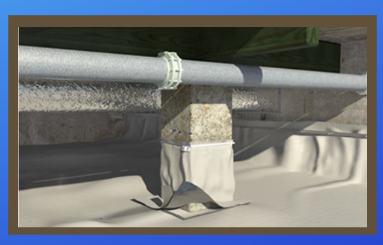
Choosing the Right Crawl Space Vapor Barrier Unraveling the Depths of 6 Mil vs. 10 Mil vs. 20 Mil

Introduction: For many homeowners, the crawl space beneath their home might seem like an afterthought, out of sight and out of mind. However, understanding the importance of proper insulation and moisture control in this space can have a significant impact on the overall health and longevity of your home. In this article, we're delving into the world of crawlspace liners, specifically exploring the differences between Class A, B, and C liners of ASTM E-1745 standards. We'll also uncover why using visqueen, a common plastic sheeting, falls short in this critical role.

The Role of Crawlspace Liners: Crawlspace liners are essential barriers designed to control moisture and protect the structural integrity of your home. They create a shield between the ground and the lower levels of your home, helping to prevent excess moisture, mold growth, and structural damage.

Class A, B, and C Liners: Understanding the Standards: ASTM E-1745 sets the standards for crawlspace liners, categorizing them into three classes based on their performance and effectiveness:

  1. Class A Liners: These liners are highly effective in preventing moisture penetration. They are designed to withstand high levels of water exposure, making them suitable for areas with significant groundwater issues or high humidity levels.

  2. Class B Liners: These liners provide a balanced level of moisture protection. They are ideal for areas with moderate moisture levels and are effective in guarding against common moisture sources.

  3. Class C Liners: These liners offer basic moisture protection. They are suited for areas with minimal moisture concerns and provide a basic level of defense against minor moisture intrusion.

Behind ASTM-E 1745: Ensuring Quality Standards

ASTM E 1745, the standard governing crawlspace liners, is developed and maintained by the American Society for Testing and Materials (ASTM International). This organization is a globally recognized leader in establishing technical standards across various industries, including construction and materials testing. The ASTM-E 1745 standard has been meticulously crafted by a committee of experts, including engineers, scientists, and industry professionals. Their collective expertise ensures that the standard reflects the most advanced knowledge and best practices in moisture control and material performance.

Understanding Permeability/ Permeance and ASTM E 1745 Specifications

Permeability is a crucial concept when it comes to moisture control. It refers to the rate at which moisture vapor passes through a material. Permeability is measured in perms – a unit indicating the amount of moisture that can permeate a material within a specified time and area.

The specifications for ASTM E 1745 Class A, Class B, and Class C liners are as follows:

  • Class A Liner: Maximum permeability of 0.1 perms, minimum tensile strength of 45 lb/in, and a minimum puncture resistance of 2200 grams.
  • Class B Liner: Maximum permeability of 0.1 perms, minimum tensile strength of 30 lb/in, and a minimum puncture resistance of 1700 grams.
  • Class C Liner: Maximum permeability of 0.1 perms, minimum tensile strength of 13.6 lb/in, and a minimum puncture resistance of 475 grams.

Distinguishing Class 1 and Class 2 Vapor Retarders

The classification of vapor retarders refers to their effectiveness in slowing down the movement of moisture vapor. Class 1 vapor retarders have a lower permeance, indicating greater resistance to moisture movement. On the other hand, Class 2 vapor retarders allow slightly more moisture to pass through. The choice between Class 1 and Class 2 depends on factors such as climate, building design, and intended use.

Choosing the Right Vapor Barrier Class

When selecting a vapor barrier class, several factors come into play.

  • Class A vapor barriers are ideal for areas with high moisture levels, such as regions with significant groundwater concerns or heavy humidity.
  • Class B vapor barriers offer a balanced level of protection and are suitable for regions with moderate moisture challenges.
  • Class C vapor barriers are effective in areas with minimal moisture concerns. Your choice depends on the specific moisture conditions in your crawl space and the level of protection required to maintain a dry and healthy environment.

How is it that All Plastic Sheeting isn't The Same?

Moisture can penetrate plastic liners due to a property called PERMEANCE which refers to the ability of a material to allow water vapor to pass through it. Some plastic liners have higher permeance values, which means they are more permeable to moisture, while others have lower permeance values, making them less permeable. The goal of creating liners with low permeance is to effectively block moisture from infiltrating the material and entering the protected space, such as a crawl space.

Manufacturers achieve low permeance in plastic liners by carefully selecting materials and employing spec ific manufacturing techniques. Here's how they do it:

  1. Material Selection: Manufacturers choose materials with inherently low permeance properties. High-quality plastic resins with tight molecular structures and minimal gaps or pores are preferred. These materials naturally offer greater resistance to moisture vapor transmission.

  2. Barrier Coatings: Some plastic liners receive special coatings or treatments that further enhance their impermeability. These coatings can create a barrier that reduces the ability of moisture molecules to pass through the material.

  3. Lamination: Some liners are created by laminating multiple layers of plastic with different properties. By combining layers with varying permeance levels, manufacturers can create a liner that effectively resists moisture intrusion.

  4. Polymer Blends: Manufacturers may blend different types of polymers to create a liner with optimal impermeability characteristics. This process allows them to harness the strengths of different materials to achieve the desired moisture resistance.

  5. Advanced Manufacturing Techniques: Special manufacturing processes, such as extrusion or calendering, can create liners with consistent thickness and uniform permeance levels. This ensures that the liner's impermeability is maintained throughout its structure.

A Chain Link Fence Versus a Solid Cement Wall- An Analogy for a Crawl Space Liner

Imagine your crawl space liner as a protective barrier, much like comparing a chain-link fence to a solid cement wall. Both serve the purpose of separating spaces and keeping certain things out. However, they differ in their effectiveness against specific elements, such as sand.

A chain-link fence, while effective in keeping out larger objects and providing a visible boundary, allows smaller particles like sand to easily pass through its gaps. Similarly, certain plastic liners with higher permeance values can block larger water molecules but might allow moisture vapor, like sand particles, to infiltrate.

On the other hand, a solid cement wall provides a more impenetrable barrier. It prevents the passage of both large and small particles, effectively stopping sand from passing through. In the same way, plastic liners with lower permeance values act as a more robust barrier against moisture, blocking not only larger water droplets but also the vapor that could seep through gaps in less effective liners.

Just as a cement wall is a more reliable barrier against sand than a chain-link fence, a crawl space liner with lower permeance is a more reliable defense against moisture intrusion than one with higher permeance. By choosing a liner with low permeance and adhering to industry standards, homeowners can ensure that their crawl space remains effectively protected from moisture-related issues.


Why Visqueen Falls Short: Visqueen, a type of plastic sheeting often found in hardware stores, is not a suitable substitute for ASTM E-1745 liners. While it might appear to offer a barrier against moisture, it lacks the specialized features necessary to combat moisture effectively in a crawlspace environment. Visqueen is not designed to withstand the moisture levels, ground gases, and potential abrasions that can occur in a crawlspace.

The Permeability of Concrete and the Importance of Liner Selection: Concrete, though solid, is not impermeable to moisture. Water can seep through concrete, leading to dampness and the potential for mold growth. Selecting the right crawlspace liner is crucial because it acts as a reliable shield against this moisture infiltration.

Do All Buildings Require a Crawl Space Liner? 

While crawl space liners are beneficial for many buildings, whether a building needs one depends on various factors, including climate, geographical location, building design, and moisture levels. Crawl space liners are especially important in regions with high humidity, heavy rainfall, or significant groundwater concerns. These liners help prevent moisture intrusion, mold growth, and structural damage.

However, in arid regions or areas with low moisture levels, the need for a crawl space liner might be less critical. In such cases, the moisture-related risks are lower, and the building's design and construction methods might already account for these conditions.

States with predominantly dry climates, such as those in the southwestern United States, might have fewer instances where crawl space liners are considered essential. Conversely, states with higher humidity and more frequent rain, such as those along the Gulf Coast or in the Northeast, often see a greater need for crawl space moisture control solutions.

Conclusion: Your home's crawlspace deserves attention and thoughtful consideration when it comes to moisture control. Properly selected and installed crawlspace liners, in accordance with ASTM E-1745 standards, can make a significant difference in protecting your home's foundation, structural integrity, and overall air quality. While visqueen might suffice for temporary applications, it falls short in the long-term moisture control required in a crawlspace environment. By understanding the differences between Class A, B, and C liners, homeowners can make an informed choice to ensure their home remains a safe and sound haven for years to come.


Tags: CrawlspaceLiners, MoistureControl, ASTMStandards

Shielding Outdoor Equipment: Key Considerations

Posted by The Plastic Sheeting Gurus! on Wed, Aug 09, 2023 @ 09:28

Selecting the Right Flexible Polyethylene Cover for Outdoor Equipment Storage

Military Equipment Covers- Industrial Equipment Covers- Heavy-Duty-jpg

Introduction: When it comes to protecting moisture-sensitive equipment from the unpredictable outdoor elements, the choice of a flexible polyethylene cover is paramount. However, with a multitude of options available, making the right selection requires careful consideration of various factors. In this comprehensive guide, we delve into the essential aspects to keep in mind when choosing the ideal cover to ensure your equipment remains safeguarded against moisture, UV radiation, and other potential hazards.

Key Considerations for Selecting a Flexible Polyethylene Cover:

  1. Material Matters: The foundation of a reliable cover lies in its material composition. Opt for a high-quality polyethylene material that is not only durable but also water-resistant. A cover with robust protection against rain, snow, and UV radiation is essential to shield your equipment effectively.

  2. Size and Shape Precision: A well-fitting cover is crucial to prevent any gaps or sagging that could allow moisture infiltration. Ensure that the cover is appropriately sized and shaped to snugly encapsulate your equipment, leaving no room for vulnerabilities.

  3. Secure Fastening Mechanism: Windy conditions can pose a challenge for covers. Look for covers equipped with sturdy grommets, reinforced hems, or tie-down fixtures. These elements keep the cover securely in place, even during adverse weather.

  4. Ventilation for Moisture Prevention: Adequate ventilation is vital to prevent the buildup of moisture underneath the cover. Covers featuring built-in vents or considering adding vents or flaps can facilitate the necessary air circulation to mitigate condensation.

  5. Tailored Customization: Every piece of equipment has its unique requirements. Some may need covers with specialized features like access flaps or reinforced corners. Collaborate with manufacturers capable of creating custom covers that cater precisely to your equipment's needs.

  6. Accessibility for Maintenance: A cover should not impede the regular upkeep of your equipment. Look for covers designed with openings, flaps, or panels that provide easy access to essential components, controls, and connection points.

  7. Military Considerations: In the case of military equipment, concealment and camouflage are imperative. Military covers may require specific patterns or materials that blend seamlessly with the surroundings to enhance operational security.

  8. Storage and Portability: A cover's functionality isn't limited to when it's in use. Ensure the cover is lightweight and easy to fold, store, and transport. This convenience simplifies handling and deployment when needed.

Conclusion: Selecting the right flexible polyethylene cover for outdoor storage demands careful evaluation of multiple factors. From material quality and size precision to fastening mechanisms and customization options, each consideration plays a crucial role in ensuring your moisture-sensitive equipment remains well-protected. By adhering to these key aspects, you can confidently choose a high-quality cover that offers reliable defense against the elements, contributing to the longevity and optimal performance of your valuable equipment.


Industries Benefitting from Polyethylene Covers

 
  1. Construction Industry: Construction sites often have expensive equipment and machinery exposed to the elements. Flexible polyethylene covers are used to safeguard generators, compressors, scaffolding, and other construction machinery, ensuring they remain operational and free from moisture-related corrosion.

  2. Agriculture and Farming: Farms rely on tractors, irrigation systems, and other equipment critical to agricultural operations. These machines can be vulnerable to rust, mold, and other forms of damage caused by moisture. Polyethylene covers help protect these assets, extending their lifespan and reducing maintenance costs.

  3. Marine and Boating: Boats, yachts, and marine equipment are frequently exposed to water, salt, and sunlight. UV-stabilized polyethylene covers offer effective protection against fading, corrosion, and moisture damage, ensuring watercraft remain in optimal condition.

  4. Transport and Logistics: The transportation industry includes trucks, trailers, and shipping containers that require outdoor storage. These assets benefit from polyethylene covers, which shield them from rain, snow, and UV rays, preserving their structural integrity and appearance.

  5. Manufacturing and Warehousing: Manufacturers and warehouses often have outdoor storage areas for raw materials, machinery, and finished products. Flexible covers safeguard these assets from the elements, preventing rust, dust, and moisture-related degradation.

  6. Military and Defense: Military equipment must remain operational and concealed during outdoor deployment. Camouflage and protective covers are crucial to maintaining equipment readiness and enhancing operational security.

  7. Aerospace and Aviation: Aircraft parked outdoors need protection from the elements to prevent corrosion, fading, and other damage. UV-stabilized polyethylene covers ensure the longevity of aviation assets and reduce maintenance efforts.

  8. Outdoor Events and Entertainment: Outdoor event organizers use covers to shield equipment such as stages, lighting systems, and sound equipment from rain and adverse weather conditions, ensuring events proceed without technical glitches.

  9. Energy and Utilities: Utilities often have outdoor equipment such as generators, power distribution units, and transformers that require protection against moisture. Flexible covers help prevent damage and ensure continuous operation.

  10. Recreation and Sports Facilities: Facilities with outdoor sports equipment, playground structures, and recreational gear can benefit from polyethylene covers, preserving the equipment's integrity and enhancing safety for users.

In each of these industries, the utilization of flexible polyethylene covers contributes to the durability, functionality, and longevity of equipment and machinery. These covers play a critical role in reducing maintenance costs, preventing downtime, and ensuring efficient operations in diverse outdoor environments.

Visit the 

High-Performance Reinforced Equipment Covers- U.V. Resistance Protective Covers product page here

Tap For Pricing & Info (619) 448-4439

Resource page for Plastic Sheeting, Greenhouse Plastic, Fire Retardant Products, HDPE- LLDPE, Tapes  760 597 9298 Global plastic sheeting

Tags: EquipmentProtection, MoistureResistance, ndustrialSolutions, OutdoorStorage

Flexible Containment Solutions For Fuel Tanks - Why it Matters

Posted by The Plastic Sheeting Gurus! on Wed, Aug 09, 2023 @ 01:00

Preventing Disaster: The Importance of Flexible Containment Solutions for Fuel Tanks

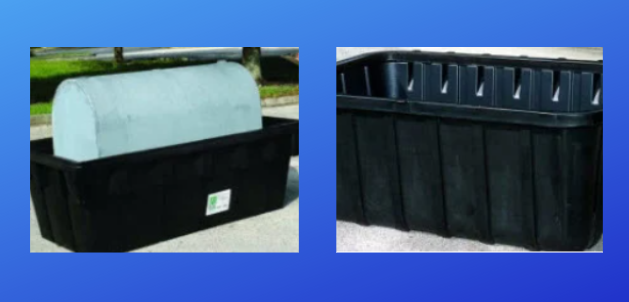
Flexible Spill Containment Sump

Imagine a scenario where a rigid spill containment system is the only option for a large fuel tank. While it may seem effective at first glance, the lack of flexibility in such a solution can lead to dire consequences. Let's delve into the potential pitfalls of not having a flexible containment solution and explore instances from the past that highlight the significance of adaptability.

The Rigid Conundrum: Rigid spill containment systems, though sturdy, come with limitations that become apparent in real-world situations. These limitations can escalate issues and pose threats to both the environment and operations.

1. Transport Troubles: Transporting a rigid containment unit for a large fuel tank can be a logistical nightmare. The sheer size and inflexibility of these units make them challenging to move efficiently. This becomes particularly problematic when tanks need to be relocated or transported for maintenance or other reasons.

2. Storage Struggles: Storing a rigid containment system is equally daunting. The cumbersome nature of these units demands ample space, making them impractical for facilities with limited storage capabilities. The lack of adaptability can result in unused or abandoned containment units, defeating the purpose of having a spill control system in the first place.

3. Emergency Response Delays: In the event of a spill or leak, swift action is crucial. Rigid containment systems hinder rapid response efforts due to the time and effort required to set them up. This delay can exacerbate the severity of spills, increasing the risk of environmental damage and potential legal repercussions.

Learning from History: History has witnessed instances where inflexible containment systems contributed to environmental disasters:

1. Exxon Valdez Oil Spill (1989): The lack of a flexible containment solution played a role in one of the most infamous oil spills in history. The Exxon Valdez tanker's rigid containment system failed to effectively control the spill, resulting in devastating consequences for Alaska's ecosystem.

2. Deepwater Horizon Oil Spill (2010): The inability to swiftly deploy effective containment measures compounded the impact of this disaster. The rigid systems available struggled to adapt to the dynamic conditions of the underwater well blowout.

Introducing Flexibility for a Safer Future: Flexible containment solutions offer a way to overcome the limitations of rigid systems. The Ultra-Containment Sump Flexible Model, for instance, bridges the gap between effective spill control and adaptability. By providing a durable yet mobile solution, it addresses the challenges associated with transport, storage, and emergency response.

Maximizing Spill Control: Exploring the Versatility of the Ultra-Containment Sump Flexible Model

When it comes to containing spills from fuel tanks, size matters. Introducing the Ultra-Containment Sump Flexible Model – a dynamic solution that marries durability with portability for seamless spill control.

Understanding the Need for Flexibility: Fuel tanks, whether stationary or mobile, require spill containment measures to ensure environmental safety. However, the challenge arises when dealing with large tanks that require equally sizable containment systems. This is where the Ultra-Containment Sump Flexible Model steps in, addressing the inconvenience of transporting or storing these containment units.

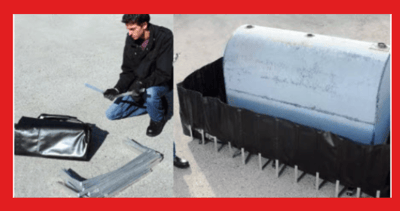
Innovative Design for Practicality: The Flexible Model Containment Sumps are constructed from a highly durable material that is supported by L-brackets. This combination effectively contains leaks, drips, and spills, safeguarding the environment and mitigating potential hazards.

On-Demand Mobility: What sets this model apart is its adaptability. When the need arises to move or store the sump, the L-brackets can be easily removed, and the material can be folded up. This flexibility streamlines transport and storage, making it an excellent solution for those who require spill containment on the go.

Key Features:

  • Economical and Portable: The Flexible Model offers cost-effective spill containment for 1000-gallon tanks, perfect for scenarios where mobility and budget considerations come into play.
  • Sturdy Support: L-shaped aluminum brackets provide robust sidewall support, ensuring the sump maintains its structural integrity while containing spills effectively.
  • Convenient Sizing: Standard sizes are designed to fit most fuel tanks, simplifying the selection process. Furthermore, the brackets' easy removal and material folding allow for compact storage and hassle-free transport.
  • Efficient Shipping: Folded units and L-brackets are shipped in boxes that are suitable for UPS shipping. Note that larger models might require truck shipping (common carrier) due to their size.

Swift Installation for Swift Action: L-Brackets enhance user-friendliness by being quickly and easily installed in heat-welded sleeves around the perimeter of the sump. This seamless integration ensures the sump is ready for action when needed.

In essence, the Ultra-Containment Sump Flexible Model redefines spill containment by combining durability and mobility. Whether you're in the transportation sector, working with mobile fuel tanks, or require versatile spill control, this model offers a practical solution that prioritizes both environmental protection and user convenience.

Visit the Flexible Spill Containment Sump page here

Tap For Pricing & Info (619) 448-4439


Tags: #FuelTankSafety

Fumigation Tarps/ UV Stabilized Tarps: Ultimate Containment Solutions

Posted by The Plastic Sheeting Gurus! on Tue, Aug 08, 2023 @ 03:35

What Are Fumigation Tarps?

In the realm of industrial containment, fumigation tarps emerge as versatile champions, safeguarding against a myriad of challenges. From weather extremities to maintaining structural integrity, these tarps prove to be indispensable across various industries. Dive into the world of fumigation tarps to discover their applications, benefits, and why they are the go-to solution for protection.

Understanding Fumigation Tarps: Fumigation tarps are heavy-duty, weather-resistant covers designed to provide a robust barrier against external elements, while simultaneously containing and protecting contents within. Crafted from durable materials, these tarps serve as a stalwart shield, ensuring airtight containment in critical scenarios.

Applications Across Industries: The applications of fumigation tarps are as diverse as the industries they serve. They find their purpose in safeguarding agricultural produce, construction materials, equipment, and more. In agriculture, fumigation tarps shield crops from adverse weather conditions, preventing yield loss. In construction, they guard building materials from rain, snow, and debris, ensuring structural integrity. These tarps are equally vital for disaster relief, industrial storage, and shipping, where protection and containment are paramount.

When Fumigation Tarps Shine: Fumigation tarps shine brightest when faced with challenging situations. Whether it's torrential rains, scorching sunlight, freezing temperatures, or strong winds, these tarps stand resolute. Their weatherproof and UV-stabilized properties ensure that contents remain secure and undamaged, even in the harshest environments. Additionally, their resistance to mildew, tears, and punctures ensures long-lasting performance.

Industries Benefiting from Fumigation Tarps: Fumigation tarps cater to a wide spectrum of industries. Agriculture, construction, transportation, warehousing, and disaster management are just a few that reap the rewards of these robust containment solutions. For farmers, fumigation tarps safeguard harvested crops during transportation and storage. In the construction sector, they shield raw materials and machinery, enabling projects to progress seamlessly despite unpredictable weather conditions.

Features That Define Excellence: These tarps come armed with a range of features that make them exceptional. Being UV stabilized and weather resistant, they can withstand prolonged exposure to the sun and other atmospheric elements without deteriorating. Their cold-crack resistance ensures that they remain flexible even in freezing temperatures, eliminating the risk of cracks or tears. Furthermore, their tear and puncture resistance guarantee the safety of the contents they encapsulate.

Customization for Precision: One of the standout attributes of fumigation tarps is their ability to be custom fabricated to exact requirements. Whether you need fitted sizes or heavy-duty flat tarps with specialized tie-down fixtures like grommets, D-rings, webbing straps, pipe loops, or drawstrings, these tarps can be tailored to match your unique needs.

Examples for UV Stabilized Tarps Usefulness

Picture a bustling construction site with materials and equipment scattered around, exposed to the relentless glare of the sun. This is where UV stabilized tarps come into play as invaluable assets. These tarps act as a shield, providing a protective barrier against the harmful effects of prolonged sun exposure. Without UV stabilized tarps, materials such as wood, metal, and plastic could undergo significant degradation over time. The sun's ultraviolet rays gradually break down the molecular structure of these materials, leading to fading, warping, and even structural weakness. This not only compromises the integrity of the materials but also increases the risk of accidents and delays. The result? Project setbacks, increased expenses, and frustrated stakeholders. However, with UV stabilized tarps in place, you ensure that your materials remain shielded from UV rays, maintaining their quality and prolonging their lifespan. This proactive measure not only safeguards your investment but also preserves the efficiency and progress of your project.

In essence, fumigation/ UV stabilized tarps are not just mere covers; they are guardians of containment and protection. Their durability, weather resistance, and versatile applications make them a staple in various industries. From shielding crops to safeguarding construction materials, these tarps stand as a testament to innovation in industrial containment solutions.

Visit our Weather, Mildew, Tear and Puncture Resistant UV Stabilized Tarps

Tap For Pricing & Info (619) 448-4439

Resource page for Plastic Sheeting, Greenhouse Plastic, Fire Retardant Products, HDPE- LLDPE, Tapes  760 597 9298 Global plastic sheeting

Tags: FumigationTarp, IndustrialContainmen, WeatherResistantProtection

Fuel Storage: Importance, Applications, and Eco-Friendly Solutions

Posted by The Plastic Sheeting Gurus! on Tue, Aug 08, 2023 @ 09:30

Fuel Storage: Powering Industries, Transportation

Ultra-Containment Sump

Fuel storage plays a vital role in modern society by providing a secure and accessible means to store various types of fuels, such as gasoline, diesel, and aviation fuel. This storage is essential due to the widespread use of these fuels across industries, transportation, and daily life. Here's an overview of fuel storage, its importance, applications, and more:

Why Fuel Storage Exists: Fuel storage is necessary to ensure a consistent and reliable supply of energy sources like gasoline and diesel. These fuels power vehicles, machinery, generators, and heating systems, supporting our transportation systems, industries, and homes. Having an accessible and efficient way to store fuels is crucial to maintain operations, especially during times of high demand, supply disruptions, or emergencies.

When Fuel Storage Exists: Fuel storage is a constant requirement, as we rely on energy sources for various activities year-round. Whether it's powering vehicles for daily commutes or keeping industries operational, fuel storage is essential 24/7.

Applications of Fuel Storage:

  1. Transportation: Gasoline and diesel fuels are stored to keep vehicles moving efficiently. Gas stations and truck depots store large quantities of fuel to serve motorists and freight transport.

  2. Industries: Various industries, such as manufacturing, agriculture, construction, and aviation, rely on fuels to power machinery and equipment. Adequate storage ensures consistent production and operation.

  3. Power Generation: Backup generators, often fueled by diesel, natural gas, or other fuels, provide emergency power during grid failures. Fuel storage ensures these generators have a ready supply.

  4. Residential Heating: Some homes use stored heating oil or propane for heating systems, particularly in colder climates.

  5. Aviation: Airports require fuel storage facilities to support aircraft operations, including refueling commercial planes, private jets, and helicopters.

Fuel Storage Safety and Environmental Concerns: Safety is a significant consideration in fuel storage. Leakage, spillage, or improper storage can lead to hazardous situations, including fires, explosions, and environmental contamination. As a result, regulations and standards are in place to govern fuel storage, emphasizing proper containment, spill prevention, and environmental protection.

Innovation in Fuel Storage: Innovations have led to the development of safer and more efficient storage solutions. Technologies like double-walled tanks, electronic monitoring systems, and advanced materials contribute to enhancing fuel storage safety and minimizing environmental impact.

In summary, fuel storage is a cornerstone of modern society, ensuring reliable energy supplies for transportation, industries, power generation, and more. It's a critical component of maintaining functionality, supporting economic activities, and meeting energy demands while prioritizing safety and environmental responsibility.

Eco-Friendly Fuel Storage: Unveiling the Superiority of Ultra-Containment Sump

In the world of fuel storage, proactive measures are paramount, and the Ultra-Containment Sump stands as the pinnacle solution. Designed to outperform makeshift containment systems, this rigid model is the choice of environmentally-conscious operators seeking foolproof spill protection.

Material Excellence: Engineered from durable low-density polyethylene, these containment sumps provide unparalleled longevity and durability. Unlike improvised setups, the all-polyethylene construction ensures resistance against rust and corrosion.

Tailored Rainwater Management: Opt for the optional Pullover Cover to fend off rainwater while retaining easy access for waste collection. Elevating the solution, the Ultra-Self Bailer not only facilitates drainage but also sieves out hydrocarbons, adding an extra layer of protection.

Versatile Configurations: Whether you require a drain or not, the Ultra-Containment Sump caters to your specifications. For larger capacities, such as the 1,000-gallon variant, a 2" drain option is available.

Seamless Delivery and Mobility: Delivery convenience is ensured through secure stretch wrapping for LTL shipping. When it comes to mobility, placing the sump on a wooden shipping pallet is the simplest approach.

Regulation Compliance: Rest easy knowing that the Ultra-Containment Sump aligns with key regulations, including EPA Container Storage Regulation 40 CFR 264.175 and the SPCC Act, underscoring its role in preventing spills and ensuring environmental safety.

In a landscape where safety and responsibility are paramount, the Ultra-Containment Sump sets the standard for effective, compliant, and adaptable fuel storage solutions."

Visit our Ultra Containment Sump Pump product page here.

Tap For Pricing & Info (619) 448-4439

Resource page for Plastic Sheeting, Greenhouse Plastic, Fire Retardant Products, HDPE- LLDPE, Tapes  760 597 9298 Global plastic sheeting


Tags: fuel storage, containment sump

Tapes in Action: Fire Safety, Bonding Power, and Lightweight Reinforcement For DIY, University Use and Construction

Posted by The Plastic Sheeting Gurus! on Wed, Aug 02, 2023 @ 05:00

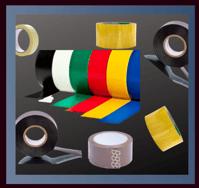
Polyken 225 FR, Polyken 820 Megagrip, and Global CFRP Tape

Tape It Right

Introduction:

Tapes have emerged as versatile solutions in the construction realm, enhancing safety and efficiency. Among these, Polyken 225 FR, Polyken 820 Megagrip, and Global CFRP are true game-changers. In this blog, we'll explore their mil thickness, diverse applications, and how they benefit university and homeowners alike.

Please click on the blue link to visit the product page.

1. Polyken 225 FR: Fire-Resistant Protection

  • Mil Thickness: 12 mil.

Applications:

  • Wrapping pipes, ducts, and cables to enhance fire safety in commercial and residential buildings.
  • Securing electrical cables to prevent fire hazards.
  • As an anti-corrosion layer for metal surfaces, prolonging the life of critical infrastructure.

University Use:

  • Ideal for protecting electrical systems, ensuring student safety in campus buildings.
  • Used in laboratories and research facilities to safeguard pipes and ducts against potential fire risks.

Homeowner Use:

  • Adds a fire-resistant layer around electrical wires and cable conduits for enhanced home safety.
  • Prevents corrosion of exposed metal pipes and fixtures.

2. Polyken 820 Megagrip: Permanent & Waterproof

  • Mil Thickness: 20 mil

Applications:

  • Bonding various surfaces, including concrete, wood, metals, and plastics.
  • Forms permanent, water-tight bond
  • Waterproof patch and repair application on sheet metal, aluminum, copper, PVC, plastic sheeting, tarps, pool liners, and more. Waterproof bundling.
  • Forming airtight seals for vapor barriers, insulations, and construction materials.
  • Joining flooring materials during installation for long-lasting adherence.

University Use:

  • Ideal for quick and reliable repairs in campus facilities, ranging from fixing loose fixtures to repairing flooring.
  • Strong bonding capabilities for securing signage and posters on walls without damaging surfaces.

Homeowner Use:

  • Perfect for DIY home repairs, from securing loose tiles to patching up minor damages.
  • Creates airtight seals around windows and doors to improve energy efficiency.

3. Global CFRP: Lightweight Structural Reinforcement

  • Mil Thickness: Various, typically thin and lightweight.

Applications:

  • Reinforcement of structural elements, such as concrete beams, columns, and slabs, for added load-bearing capacity.
  • Strengthening bridge columns and piers to improve resilience and safety.
  • Repairing damaged and deteriorated concrete structures.

University Use:

  • Used in structural engineering research and testing for innovative reinforcement solutions.
  • Strengthening aging campus infrastructure, such as bridges or walkways, for safety and longevity.

Homeowner Use:

  • Provides a cost-effective way to reinforce home foundations and structures.
  • Ideal for repairing cracks and damaged concrete surfaces in driveways or patios.

Conclusion:

Polyken 225 FR, Polyken 820 Megagrip, and Global CFRP showcase the immense potential of tapes in modern construction. From fire-resistant protection to versatile bonding and structural reinforcement, these tapes elevate safety and efficiency across university campuses and in homeowners' lives. Their mil thicknesses and diverse applications make them essential tools for tackling various construction challenges. By harnessing the power of these tapes, both institutions and homeowners can ensure the longevity and safety of their built environments.

Tap For Pricing & Info (619) 448-4439

Resource page for Plastic Sheeting, Greenhouse Plastic, Fire Retardant Products, HDPE- LLDPE, Tapes  760 597 9298 Global plastic sheeting

The Versatile Role of Plastic Sheeting in Construction: A Comprehensive Guide

Posted by The Plastic Sheeting Gurus! on Tue, Aug 01, 2023 @ 12:38

What is Plastic Sheeting Used For In Construction?

Explore the significance of plastic sheeting in construction

When we think of construction materials, plastic sheeting might not be the first thing that comes to mind. However, this unassuming material plays a vital and versatile role in the construction industry. From weather protection to containment solutions, plastic sheeting proves itself as an invaluable asset on construction sites. In this blog, we will explore the various applications and mil thicknesses of plastic sheeting, highlighting its significance in modern construction practices.

1. Temporary Weather Barrier (2 to 6 mil):

One of the primary uses of plastic sheeting in construction is to serve as a temporary weather barrier. During building construction, especially for exterior work, 2 to 6 mil thickness plastic sheeting is commonly employed. It shields exposed areas from rain, snow, and wind, ensuring construction progress even in adverse weather conditions.

2. Dust Containment Walls (4 to 6 mil):

When undertaking renovations or interior construction, creating dust containment walls using 4 to 6 mil plastic sheeting is crucial. These barriers prevent dust and debris from spreading to other parts of the building, maintaining a clean and safe environment for workers and inhabitants.

3. Concrete Curing (4 to 10 mil):

Plastic sheeting plays a crucial role in concrete curing processes. Using 4 to 10 mil thickness, the sheeting is laid over freshly poured concrete, helping to retain moisture and maintain optimal curing conditions, resulting in stronger and more durable concrete structures.

4. Moisture Vapor Barrier (6 to 20 mil):

In damp environments, plastic sheeting serves as a moisture vapor barrier. With thicknesses ranging from 6 to 20 mil, it is installed under flooring materials to prevent moisture from seeping through and causing damage.

5. Temporary Tarp or Shelter (6 to 20 mil):

In the absence of traditional tarps or shelters, construction workers can quickly fashion a temporary tarp or shelter using 6 to 20 mil plastic sheeting. This improvised solution protects tools, equipment, and materials from rain and dust during construction.

6. Insulation Jacket (4 to 10 mil):

Plastic sheeting with a thickness of 4 to 10 mil can be wrapped around exposed pipes or ductwork as a temporary insulation jacket. This helps prevent heat loss and conserves energy during construction.

7. Scaffolding Enclosure (6 to 20 mil):

By enclosing scaffolding with 6 to 20 mil plastic sheeting, construction workers gain protection from harsh weather conditions. This ensures work can continue efficiently, even in inclement weather.

8. Temporary Privacy Screens (4 to 6 mil):

On construction sites, privacy may be necessary for sensitive areas. Plastic sheeting with a thickness of 4 to 6 mil can be used to create temporary privacy screens, shielding ongoing work from public view.

9. Concrete Formwork Liners (10 to 20 mil):

Plastic sheeting with thicknesses ranging from 10 to 20 mil is employed as formwork liners. These liners create smooth and clean concrete surfaces without any texture from the form boards, resulting in aesthetically pleasing finished products.

Conclusion:

As we have seen, plastic sheeting's role in construction is both diverse and critical. Its adaptability, cost-effectiveness, and temporary solutions make it an indispensable material on construction sites worldwide. Whether it's providing weather protection, containing dust, or aiding in concrete curing, plastic sheeting continues to be an essential resource, enhancing efficiency and ensuring the success of construction projects.

So, the next time you visit a construction site, take a moment to appreciate the unsung hero - plastic sheeting - that silently empowers the construction industry to build better and more resilient structures for the future.

Visit the Heavy Duty Plastic Sheeting page here

Tap For Pricing & Info (619) 448-4439

Resource page for Plastic Sheeting, Greenhouse Plastic, Fire Retardant Products, HDPE- LLDPE, Tapes  760 597 9298 Global plastic sheeting


Tags: Plastic sheeting in construction

The Power of Geomembranes in Drinking Water Systems

Posted by The Plastic Sheeting Gurus! on Mon, Jul 31, 2023 @ 02:47

Ensuring clean and reliable drinking water is a hot topic nowadays, with many systems facing challenges. Our aging infrastructure needs constant updates and repairs, which can be quite pricey. But fear not, there's a solution – geomembranes! These nifty engineered materials are cost-effective and can help cut expenses in water and wastewater projects. Let's take a closer look at how they save us money and improve our water quality.

A recent study by Duke University showed that a whopping 17% of American households struggle to afford basic water service. That's no small number! Utilities' costs have been rising faster than folks' incomes, and complying with upcoming PFAS regulations adds even more expenses. The lack of public funding means it's us, the customers, who support these vital services.

Backup for Drinking Water Treatment = Raw Water Storage

Picture this: Raw Water Storage is like a reliable backup for our drinking water treatment. It ensures a continuous supply of water, no interruptions! How does it work? Well, we line the storage areas with something called a geomembrane. It's a special material that keeps impurities like sediment away during treatment, saving money and effort. Plus, these geomembranes have a superpower - they don't change shape with temperature, and their seams are as strong as the sheets themselves. That means no leaks and no worries about water loss! So, we can trust in raw water storage to keep our drinking water clean and flowing smoothly. If you want more details, check out the reference below!

Long Live Geomembranes!

 These little wonders improve the efficiency and quality of our drinking water systems, keeping them up to the regulatory standards. And the best part? They help save costs compared to other technologies! With geomembranes, we can have clean, reliable, and affordable drinking water. Cheers to that!

Tap For Pricing & Info (619) 448-4439

Resource page for Plastic Sheeting, Greenhouse Plastic, Fire Retardant Products, HDPE- LLDPE, Tapes  760 597 9298 Global plastic sheeting