Plastic Sheeting Blog. Click on Home for all our product categories...

What is the best UV plastic for greenhouse?

Posted by The Plastic Sheeting Gurus! on Thu, Dec 29, 2022 @ 11:28

SolaWrap Greenhouses sustain very few failures when built properly due to the time tested film and connector system-jpg

SolaWrap Greenhouse Polyethylene bubble plastic is thought to be and may be one of the best materials for covering greenhouses. This plastic is composed of a 17 mil (8.5 mm/430um) clear polyethylene plastic that guarantees 5 year U.V. protection, an R-value of 1.7, light transmission direct (350-1600nm) of 83%. It was a snow load of 120 lbs/feet ²) and a wind load of 100 mph or 43lbs/ft². This strength depends on the stability of the structure and its orientation. Learn more here.

This greenhouse plastic is very UV resistant!

That all depends. How often do you want to change out the plastic? Lighter less durable plastic coverings such as 3-4 mil may give you a year. Thicker films may last up to 4 years. SolaWrap is the only 17 mil clear covering. Lastly SolaWrap has some houses boasting 30 years without a single recover.

Maybe it's time we send you a free sample packet. You will receive a small square of SolaWrap, a connector, and a brochure. Get a hold of the film and see for your self why both commercial and back yard enthusiasts love SolaWrap. It just makes sense (cents)! 

 Visit SolaWrapfilms.com
 

Tags: best greenhouse plastic

Fireproof Plastic- Is there a plastic that is fireproof? What plastics are fireproof?

Posted by The Plastic Sheeting Gurus! on Thu, Dec 29, 2022 @ 09:50

If you have ever seen plastic sheeting burn, it goes up in flames and doesn't stop until it's completed its mission.

fireproof fire retardant flame retardant

Let's define "fireproof" as the ablility to withstand fire or great heat.

Fireproof, flame resistant and fire retardant are often interchanged to mean the same thing.

Is there a plastic that is fireproof? 

Plastic in its natural state is not fireproof but it is possible to make plastic that is fireproof.  The secret is incorporating hydrated magnesium oxide or aluminum oxide, as well as phosphorus or bromine compounds, into low-density polyethylene. When exposed to fire, the compounds break down and absorb the heat energy, thus preventing the plastic from burning. The plastic doesnt burn, it melts. 

Watch the video HERE and see a side by side comparison of fire retardant/ fireproof plastic sheeting versus regular plastic sheeting.

PROVE IT! Some if not most states  require commercial establishments to comply with the use of fire retardant plastic sheeting for their events such as amusement parks, schools, haunted houses and so on. Global Plastic Sheeting issues product certification from independent fire testing labs for their fire retardant products. When the fire marshall shows up you will have the necessary documentation for your plastic sheeting.

Do you want to learn more?

Tap For Pricing & Info (619) 448-4439


Search for Plastic Sheeting, Greenhouse plastic, tapes, fire retardant items


What is Reinforced Poly AKA String Reinforced Plastic Sheeting?

Posted by The Plastic Sheeting Gurus! on Wed, Dec 28, 2022 @ 05:31

What is reinforced polyethylene and what are the benefits?

What is Reinforced Poly AKA String Reinforced Plastic Sheeting?

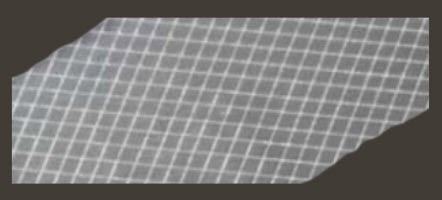
Reinforced plastic sheeting is manufactured by laminating layers of high-strength polyethylene with a heavy-duty scrim reinforcement between them. This creates a strong film that is highly resistant to tearing and is more durable than construction-grade poly.

The benefits of reinforced poly sheeting include increased strength and durability, improved tear resistance, greater UV protection, and improved resistance to punctures and other environmental hazards. It also offers superior puncture and tear resistance, making it a great choice such as construction enclosures, temporary containment, abatement covers, ground covers, and underlayment.. Additionally, reinforced poly sheeting is often more affordable than other materials, making it a cost-effective alternative.

Tap For Pricing & Info (619) 448-4439


Tags: Skrim- String Reinforced Polyethylene

The Uses for Polypropylene in Construction

Posted by The Plastic Sheeting Gurus! on Fri, Dec 16, 2022 @ 08:49

What is Polypropylene?

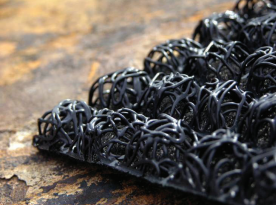
Polypropylene while being a plastic polymer shouldn't be confused with polyethylene. Polypropylene is more versatile than polyethylene because it is has a higher melting point (320 degrees Fahrenheit) than polyethylene which melts at 212 degrees Fahrenheit. Additionally it can be produced in a variety of structures which suits the building and construction industry very well.  Polypropylene is used to make rope, indoor-outdoor carpeting and drainage mats.

Enkamat_image-resized-600

The fibers are tough and can stand up to weight and won't crush. 

Tap For Pricing & Info (619) 448-4439

Crash Wrap Plastic Sheeting- How Should You Charge For It?

Posted by Nana Hinsley on Wed, Dec 14, 2022 @ 10:09

Towing companies have discovered GPS Crash Plastic Wrap/plastic sheeting as a way to add value for their customers, while simplifying their work when they pick up a vehicle that has been in an accident. It used to be that cars that had their windows shattered needed that window to be taped up- to insure the broken glass didn't scatter during towing. Enter duct tape and tarps. You know what is required to tape up a window in this fashion. Not the simpliest way to get the job done.

GPS Crash Plastic Wrap

Today with the advent of GPS Crash Plastic Wrap, the job is quick and easy.  The crash wrap is self adhesive- so it sticks to the frame of the vehicle (as long as it is clean and dry). Just pull off the amount you need to cover the window area and let it do its job.  It will stay in place until you want to remove it.  The best part comes when there has been rain or dust. The inside of the car is protected by the crash wrap. When the owner of the vehicle comes to get their vehicle, they will thank you for protecting the inside of the vehicle.  It's traumatic enough to face your vehicle after it has been in an accident.  Finding that the interior isn't flooded is a welcome relief.

How do you charge for this service? That is the point. You are offering a service of securing the openings of the vehicle with plastic sheeting.  Many of our customers charge by the type of window opening. $25 for each side window, $35-45 for a front or rear window. Charging by the foot makes this service about the amout of crash wrap used on the job.  Charge for your time, and the fact that you care enough to do a good job.  That people are willing to pay for.


Tap For Pricing & Info (619) 448-4439

Tags: Crash Wrap, GPS Crash Plastic Wrap

Is Plastic Sheeting Fire Resistant?

Posted by The Plastic Sheeting Gurus! on Thu, Nov 17, 2022 @ 11:04

Is Plastic Sheeting Fire Resistant? Is that the same thing as flame retardant? Yes it is IF and ONLY IF it has a fire retardant additive added to the plastic during manufacturing. Other products can be fire retardant such as tapes, strapping, corrugated board, etc.

To learn more visit our Fire Retardant Films page where you can see all sorts of fire retardant films, tapes, strapping and other products.

Tap For Pricing & Info (619) 448-4439


Tags: FR Plastic, fire retardant poly

Be The Guardian Of Your Home- Stop Radon!

Posted by Nana Hinsley on Thu, Nov 03, 2022 @ 09:41

Sentinel XS Radon Vapor Barrier- 866 597 9298


Ever since mankind began building homes, cities and countries they have always looked for ways to protect them from harm. With this came the originals of the Sentinel.  From antiquity to the modern era, the Sentinels were the guardians of the realm; protecting those in it from invading armies and marauding raiders looking to cause havoc and destruction to one’s home.

Now the days the marauding raiders are long gone but we still need to protect ourselves from the forces of nature that can cause harm to our homes and our health.  Everyday gases like water vapor, carbon monoxide, and radon come up from the earth and into our homes; which if not controlled can cause series problems to our homes but worse to our health.  All of these gases are naturally occurring, and have been proven to cause severe respiratory health problems and even loss of life if not monitored or controlled.

Part of our ongoing goal at Global Plastic Sheeting is to provide solutions for controlling dangerous gases that invade our living conditions.  We have developed  Sentinel XS Radon Vapor Barrier. Just like the Sentinel has always been the guardian at the gates, Sentinel XS Radon Vapor Barrier can now protect us against harmful radon. 

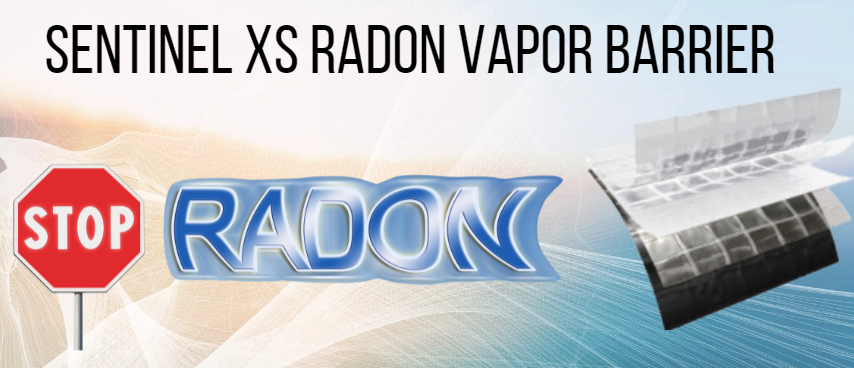
Sentinel XS Radon Vapor Barrier is a 5 layer barrier engineered to have low permeability, extreme strength on a very durability material.  Sentinel XS Radon Vapor Barrier blocks out radon and water vapor even during extreme seasonal temperature changes.

Sentinel XS Radon Vapor Barrier is available in 4’, 8’, 12’ and 20’ widths.  Please feel free to contact us any time with your questions.  (619) 448-4439

Be the Guardian of your home with Sentinel XS Radon Vapor Barrier!

Tap For Pricing & Info (619) 448-4439

Tags: Sentinel XS Radon Vapor Barrier, Radon Vapor Barrier

Great uses for a 15 mil Polyethylene Sheeting

Posted by Nana Hinsley on Tue, Jul 19, 2022 @ 04:19

Great uses for a 15 mil Polyethylene Sheeting

Containment Liners: Containment liners are used for the containment of liquids preventing pollution or contamination of the earth.

Fish Hatchery Liners:  Fish Hatchery Liners are used for aquaculture, aquaponics and commercial hatcheries for creating ponds to raise the fish.

Canal Liners: Canal Liners are useful for minimizing water seepage in a canal.

Farm Pond Liners: Farm Pond Liners are used to create ponds for farms.

Decorative Ponds Liners: Decorative Pond Liners can hold fish and vegetation.


Vapor Retarders for under slabs and in walls: often used as a vapor/moisture retarder underslab and within wall

Radon Retarder: Radon Retarders are specially made liners that will retard Radon gas.


Tap For Pricing & Info (619) 448-4439

Tags: Containment Liners, Fish hatchery Liners, Canal Liners, farm pond liners, Decorative Pond Liners, Radon Retarder, 15 mil polylethylene

Vapor Retarder vs Air Barrier..what's the difference?

Posted by Nana Hinsley on Mon, Jun 27, 2022 @ 09:58

When constructing or renovating any building, moisture and airflow control are crucial to maintaining indoor air quality, energy efficiency, and structural integrity. Two commonly discussed materials in this context are vapor retarders and air barriers. While they are sometimes confused or assumed to serve the same purpose, they perform very different functions—and both are vital in the right applications.

In this blog, we’ll explain the difference between vapor retarders and air barriers, when and where to use them, and how each helps protect your building from costly damage and energy loss.


What Is a Vapor Retarder?

A vapor retarder (also known as a vapor barrier) is a material that slows down or limits the movement of water vapor through a building assembly. It is primarily used to control moisture diffusion, which is the slow movement of water vapor through materials like drywall or insulation.

Key Characteristics:

  • Rated by permeability (perms): the lower the perm rating, the more it resists vapor diffusion.

  • Materials with 0.1 perms or less are considered vapor barriers.

  • Common materials include polyethylene plastic sheeting, foil-faced insulation, and vapor-retardant paint.

Purpose:

  • Prevent condensation inside wall cavities that could lead to mold, rot, and insulation damage.

Where to Use It:

  • Cold climates: Installed on the interior (warm side) of insulation to stop indoor moisture from reaching cold exterior walls.

  • Hot, humid climates: May be used on the exterior (warm side) of the building envelope.

Important Note:

  • Vapor retarders must not trap moisture. If installed improperly or in the wrong climate zone, they can actually cause moisture buildup.


What Is an Air Barrier?

An air barrier is a material or system that stops the uncontrolled flow of air through a building envelope. Unlike vapor retarders, air barriers are designed to block air movement, which often carries moisture into and through building assemblies.

Key Characteristics:

  • Air barriers must be continuous and sealed to be effective.

  • They may be permeable or impermeable to vapor, depending on the material.

  • Examples include house wrap (like Tyvek), spray foam, gaskets, and sealants.

Purpose:

  • Control air leakage, reduce energy loss, and prevent moisture-laden air from entering and damaging walls and ceilings.

Where to Use It:

  • On the exterior sheathing or interior drywall—depending on design.

  • In all climate zones, especially to meet building codes focused on energy efficiency (e.g., IECC).

Pro Tip:

  • Air barriers should be installed as a system—sealing joints, edges, and penetrations for full effectiveness.


How Vapor Retarders and Air Barriers Work Together

In many buildings, both systems are necessary—but their success depends on correct placement and design.

Scenario Example:

  • In a cold climate home:

    • Install a vapor retarder on the interior side to block indoor moisture.

    • Use an air barrier on the exterior side to prevent air infiltration and help the wall dry outward.

In this configuration:

  • The vapor retarder prevents moisture from migrating into the wall.

  • The air barrier reduces drafts and helps the building retain conditioned air.

Don’t Confuse the Two:

  • A material can sometimes serve both functions (like spray foam), but most materials are designed for one or the other.

  • Choosing the wrong material or installing it incorrectly can trap moisture, reduce energy efficiency, or cause mold problems.


Addressing Each Effectively

✅ How to Properly Use Vapor Retarders:

  1. Choose the right perm rating based on your climate zone.

  2. Install on the warm side of insulation (interior for cold climates).

  3. Avoid double vapor barriers (don’t place poly on both sides of insulation).

  4. Tape seams and seal around penetrations if applicable.

✅ How to Properly Use Air Barriers:

  1. Ensure continuity across all components—walls, ceilings, and floors.

  2. Use appropriate materials (membranes, spray foam, tapes, sealants).

  3. Seal all joints, edges, and openings (windows, doors, pipes).

  4. Conduct a blower door test to verify air tightness.


Final Thoughts

While they’re often confused, vapor retarders and air barriers serve distinct but complementary roles in building science. The vapor retarder controls how moisture diffuses, while the air barrier controls how air (and the moisture it carries) moves through your structure.

Both are essential for achieving high-performance buildings that are energy-efficient, comfortable, and durable.

Want help choosing the right vapor or air barrier materials for your next project? Contact our building envelope experts today.



 

Home page www.globalplasticsheeting.com plastic sheeting, tapes, strapping fire retardant films greenhouse plastic

Tags: non-hygroscopic, air barrier, permeability of a vapor barrier

Fire Retardant Plastic Sheeting- Can it be clear?

Posted by Nana Hinsley on Mon, Jun 27, 2022 @ 09:56

We get many requests for clear, fire retardant plastic sheeting, or clear anti-static fire retardant plastic sheeting. What people need to understand is the additives that need to be added to the polyethylene that make polyethylene fire retardant turns the plastic into a whitish color. When the additives are added to make it anti-static, it makes the film even whiter. There is no getting around this.

We have 6 mil Anti-Static Fire Retardant film on the shelf, but it is fairly opaque, definitely not clear. 

Tap For Pricing & Info (619) 448-4439

Tags: Anti static fire retardant plastic, clear FR plastic