Plastic Sheeting Blog. Click on Home for all our product categories...

Global Plastic Sheeting

Recent Posts

LLDPE or LDPE- Which is More Transparent and Why?

Posted by Global Plastic Sheeting on Fri, Nov 24, 2023 @ 10:23

The Transparent Truth: LLDPE vs. LDPE - Unveiling the Clarity Conundrum

Introduction: In the realm of polyethylenes, transparency is not a mere visual trait; it's a crucial aspect that influences applications across diverse industries. Let's embark on a journey to unravel the clarity conundrum between Linear Low-Density Polyethylene (LLDPE) and Low-Density Polyethylene (LDPE) to determine which polymer emerges as the true champion of transparency.

Low-Density Polyethylene (LDPE) and Linear Low-Density Polyethylene (LLDPE) belong to the polyethylene family, a versatile thermoplastic polymer utilized across various applications. Renowned for their flexibility, durability, and chemical resistance, both types offer valuable qualities. Notably, LDPE is generally acknowledged for higher transparency compared to LLDPE.

LLDPE vs. LDPE: The Visual Odyssey:

  • LLDPE's Clarity Quest:

    • LLDPE boasts superior transparency compared to LDPE.
    • The unique linear molecular structure of LLDPE allows for enhanced light transmission, contributing to its clarity.
  • LDPE's Translucent Tale:

    • LDPE, while exhibiting transparency, tends to be less clear than LLDPE.
    • The branched molecular structure of LDPE can scatter light to a greater extent, affecting its overall clarity.

The Molecular Dance:

  • LLDPE's Linear Advantage:

    • LLDPE's linear molecular arrangement minimizes light scattering, facilitating clearer visuals.
    • The reduced branching in LLDPE molecules allows light to traverse with less interference.
  • LDPE's Branching Blues:

    • LDPE's branched structure scatters light, leading to a more translucent appearance.
    • The molecular architecture influences the material's ability to transmit light effectively.

Applications and Impact:

  • LLDPE's Clear-Cut Applications:

    • LLDPE's transparency makes it ideal for applications requiring a clear view, such as transparent films and packaging.
    • Widely used in industries where visual aesthetics are crucial.
  • LDPE's Translucent Charm:

    • LDPE's moderate transparency suits applications where complete clarity is not paramount.
    • Commonly employed in various packaging and non-demanding visual applications.

Conclusion: The Clear Winner: In the clarity showdown, LLDPE emerges as the clear winner. Its linear molecular structure and reduced light scattering properties make it the go-to choice for applications where transparency is a defining factor. LDPE, with its inherent translucency, finds its niche in scenarios where a completely clear visual is not imperative.

Unlocking Clarity's Potential: Understanding the transparency dynamics of LLDPE and LDPE empowers industries to make informed choices based on their specific visual requirements. Whether seeking pristine clarity or embracing a more translucent charm, the world of polyethylenes offers options tailored to diverse needs.

Tap For Pricing & Info (619) 448-4439

Resource page for Plastic Sheeting, Greenhouse Plastic, Fire Retardant Products, HDPE- LLDPE, Tapes  760 597 9298 Global plastic sheeting


Tags: LLDPEvsLDPE, PolyethyleneClarity, TransparentPolymer

Balancing Pros and Cons of LDPE vs. LLDPE

Posted by Global Plastic Sheeting on Wed, Nov 22, 2023 @ 10:24

Navigating Polyethylene Choices: The Trade-Offs Between LDPE and LLDPE

Polyethylene, a versatile thermoplastic polymer, offers an array of choices, with Low-Density Polyethylene (LDPE) and Linear Low-Density Polyethylene (LLDPE) standing at the forefront. In the LDPE vs. LLDPE dilemma, each variant presents distinct advantages and trade-offs, requiring a keen understanding to make informed material choices.

Understanding LDPE's Landscape:

Advantages:

  • Flexibility: LDPE is celebrated for its exceptional flexibility, making it ideal for applications that demand pliability and ease of handling.
  • Transparency: Among the trade-offs, LDPE tends to be more transparent than LLDPE, offering a clear view in applications where visibility is crucial.

Trade-offs:

  • Strength: While flexible, LDPE may not match the strength levels of LLDPE, influencing its suitability for certain robust applications.
  • Processing Temperature: LDPE generally requires lower processing temperatures, impacting its performance in high-temperature applications.

Delving into LLDPE's Dynamics:

Advantages:

  • Strength and Durability: LLDPE boasts enhanced strength and durability, making it resilient in applications demanding toughness.
  • Chemical Resistance: LLDPE excels in resisting chemicals, broadening its usage in industries where exposure to various substances is common.

Trade-offs:

  • Flexibility: While flexible, LLDPE may not match LDPE's level of flexibility, influencing its suitability for specific applications.
  • Transparency: LLDPE tends to be less transparent than LDPE, impacting its use in applications requiring a clear view.

Navigating the Trade-Offs:

  • Application Specificity: The choice between LDPE and LLDPE often boils down to the specific requirements of the application. LDPE shines where flexibility and transparency are paramount, while LLDPE excels in strength and chemical resistance.

  • Versatility in Packaging: LDPE's transparency makes it a preferred choice in transparent packaging, offering a clear display of contents. LLDPE, with its robustness, finds favor in durable packaging that requires strength.

  • Environmental Considerations: LDPE is often considered more environmentally friendly due to its recyclability. Understanding the eco-impact is crucial in making sustainable material choices.

In the LDPE vs. LLDPE dilemma, the key is to weigh the advantages against the trade-offs. Each variant has its niche, and making informed decisions ensures that the chosen polyethylene aligns perfectly with the demands of the application. Whether it's flexibility, transparency, or durability, navigating these trade-offs is the key to unlocking the full potential of polyethylene in diverse industries.

Tap For Pricing & Info (619) 448-4439

Tags: MaterialDecisionMaking, PolyethyleneTradeOffs

LLDPE- A Deep Dive with Q & A's

Posted by Global Plastic Sheeting on Wed, Nov 22, 2023 @ 10:14

Demystifying LLDPE's Popularity: Factors Fueling High Inquiry Volume

In the realm of polymer fascination, Linear Low-Density Polyethylene (LLDPE) stands as a star, drawing an extensive stream of queries that echo its prominence in the plastic landscape. Several factors contribute to the remarkable surge in interest and questions swirling around LLDPE, creating a narrative that revolves around versatility, emerging applications, and the perpetual quest for property optimization.

Versatility at Its Core: A Magnetic Force for Inquiry

LLDPE's allure lies in its impeccable balance—offering a symphony of strength, flexibility, and toughness. This harmonious blend makes it an exceptionally versatile polymer, finding its way into an array of applications that span packaging, construction, and automotive realms. The inherent flexibility of LLDPE prompts a cascade of questions, each seeking to unravel the specifics of its properties and the nuances that make it an ideal choice for diverse uses.

The Dawn of Emerging Applications: Fueling Curiosity

As technological landscapes evolve, so does the role of LLDPE. Once confined to conventional applications, this polymer is now stepping into uncharted territories, captivating attention with its presence in emerging sectors. From encapsulating solar panels to ensuring the integrity of medical packaging and fortifying geomembranes, LLDPE's foray into these novel domains sparks a surge in inquiries. Curiosity peaks as industries seek to understand its performance, compatibility, and potential contributions to these specialized areas.

Constant Evolution: The Quest for Property Optimization

The world of LLDPE is one marked by continual evolution. Manufacturers, driven by the pursuit of excellence, tirelessly craft new grades that push the boundaries of what LLDPE can achieve. Enhanced tear resistance, UV resistance, and improved barrier properties are among the many facets being fine-tuned. This unceasing innovation generates a buzz, a constant hum of interest surrounding the latest technological advancements in LLDPE. Industries keen on staying at the forefront of materials technology fuel this high query volume, each seeking to leverage the most optimized properties for their applications.

Navigating the Inquiries: A Journey of Exploration

In the labyrinth of LLDPE inquiries, the threads of versatility, emerging applications, and property optimization intertwine. The questions posed by researchers, manufacturers, and enthusiasts form a tapestry that mirrors the multifaceted nature of this polymer. The high query volume is not merely a numerical metric; it's a testament to LLDPE's significance and its pivotal role in shaping the future of plastic applications.

As the journey of LLDPE unfolds, the inquiries persist—a testament to the polymer's enduring relevance and the insatiable quest for knowledge within industries that rely on its unique properties. From versatility to innovation, the factors driving this high query volume weave a narrative that underscores LLDPE's place as a cornerstone in the ever-evolving landscape of polymer technology.

Q & A For LLDPE

Benefits of LLDPE:

  • Exceptional flexibility and stretchability.
  • High puncture and impact resistance.
  • Excellent chemical resistance.
  • Cost-effective manufacturing.

Disadvantages of LLDPE:

  • Limited temperature resistance compared to some other plastics.
  • Susceptible to stress cracking when exposed to certain chemicals.
  • May not be suitable for high-temperature applications.

    Durability of LLDPE:

    • LLDPE is highly durable, offering robust performance in various applications.
    • Resists wear and tear, making it suitable for heavy-duty applications.

    Temperature at which LLDPE Melts:

    • LLDPE typically melts in the range of 120 to 130 degrees Celsius (248 to 266 degrees Fahrenheit).

    Recyclability of LLDPE:

    • LLDPE can be recycled multiple times without significant degradation.
    • Recycling codes #4 (Low-Density Polyethylene or LDPE) and #7 (Other) may include LLDPE.

    Flammability of LLDPE:

    • LLDPE is generally considered flammable but has a higher resistance to ignition compared to LDPE.

    Safety for Water:

    • LLDPE is considered safe for water storage and transport.
    • Often used in water tanks and pipes due to its chemical resistance.

    Food Grade Status of LLDPE:

    • LLDPE can be food-grade, but specific formulations and certifications are necessary.
    • Not all LLDPE products are automatically deemed safe for food contact.

    Biodegradability of LLDPE:

    • LLDPE is not readily biodegradable and can persist in the environment for an extended period.

    FDA Approval for LLDPE:

    • LLDPE can be FDA approved for specific applications, such as food packaging.
    • FDA compliance depends on the intended use and formulation.

    UV Resistance of LLDPE:

    • LLDPE exhibits good UV resistance, making it suitable for outdoor applications.
    • UV stabilizers may be added to enhance resistance to prolonged sun exposure.

    LLDPE's Toughness Compared to LDPE:

    • LLDPE is tougher than LDPE due to its unique molecular structure.
    • The linear structure of LLDPE enhances its strength and impact resistance.

    Processing Temperature of LLDPE:

    • LLDPE is typically processed at temperatures ranging from 170 to 220 degrees Celsius (338 to 428 degrees Fahrenheit) during extrusion and molding.

Let's talk should you want to learn more! 

Tap For Pricing & Info (619) 448-4439


Tags: LLDPEInsights, PolymerProperties, PlasticApplications

Certified Plastic Sheeting- Fire, Anti-Static, UV, FDA and More

Posted by Global Plastic Sheeting on Wed, Nov 22, 2023 @ 09:24

What is "Certified Plastic Sheeting"?

A certified plastic sheeting film refers to a product that meets specific standards and has been verified by recognized organizations or regulatory bodies. The certification process involves adherence to rigorous guidelines and testing protocols, ensuring the plastic sheeting's quality, safety, and suitability for various applications. Some common standards for certified plastic sheeting include:

  1. ASTM Standards: The American Society for Testing and Materials (ASTM) establishes industry standards for various materials, including plastic sheeting. Compliance with ASTM standards ensures that the product meets specific criteria related to performance, durability, and safety.

  2. NFPA 701: NFPA 701 specifically pertains to fire resistance standards for textiles, including flame-retardant (FR) plastic sheeting. The National Fire Protection Association (NFPA) developed this standard to ensure that materials used in various applications, such as temporary structures, tents, and event spaces, meet specific fire safety criteria. For FR plastic sheeting, compliance with NFPA 701 involves subjecting the material to a series of standardized tests to assess its resistance to flame propagation when exposed to specific ignition sources. Successful compliance indicates that the FR plastic sheeting meets the required fire resistance standards, making it suitable for applications where fire safety is a crucial consideration, such as construction sites, events, or areas with stringent fire code regulations. Adhering to NFPA 701 ensures that FR plastic sheeting provides an added layer of protection against the risk of fire, contributing to overall safety in diverse environments.
  3. ISO Certification: International Organization for Standardization (ISO) certification indicates that the plastic sheeting adheres to international quality management and performance standards. ISO certifications can cover aspects such as material composition, manufacturing processes, and environmental impact.

  4. FDA Approval: If the plastic sheeting is intended for applications involving contact with food or pharmaceuticals, certification from the U.S. Food and Drug Administration (FDA) is crucial. FDA-approved plastic sheeting is deemed safe for use in these sensitive environments.

  5. RoHS Compliance: Restriction of Hazardous Substances (RoHS) compliance ensures that the plastic sheeting does not contain harmful substances such as lead, mercury, cadmium, and other hazardous materials. This is particularly important for environmental and health considerations.

  6. UL Certification: Underwriters Laboratories (UL) certification may be relevant for plastic sheeting used in electrical applications. It verifies that the product meets safety and performance standards, preventing hazards associated with electrical installations.

Why Certification Matters:

  1. Quality Assurance: Certification ensures that the plastic sheeting meets established quality benchmarks, providing confidence in its performance and reliability.

  2. Compliance with Regulations: Certification demonstrates compliance with industry regulations and standards, reducing the risk of legal or regulatory issues.

  3. Consumer Confidence: Certified plastic sheeting instills trust in consumers and end-users, assuring them that the product has undergone testing and meets specified criteria.

  4. Application Suitability: Different certifications may be required for specific applications, such as construction, agriculture, healthcare, or electronics. Certification ensures that the plastic sheeting is suitable for its intended use.

  5. Environmental Considerations: Certifications like RoHS demonstrate a commitment to environmental responsibility by avoiding the use of hazardous substances, contributing to sustainable practices.

In summary, certification for plastic sheeting involves meeting and exceeding industry standards to ensure quality, safety, and suitability for various applications. The specific standards vary based on the intended use, and certification provides tangible benefits in terms of performance, regulatory compliance, and consumer trust.

Ask for the certification for the plastic sheeting film you are buying.

Tap For Pricing & Info (619) 448-4439

Tags: CertifiedPlastic, QualityAssuranceplastic

Plastic Sheeting Made In The USA- Is There A Difference?

Posted by Global Plastic Sheeting on Wed, Nov 22, 2023 @ 09:11

The Difference Between USA-Made Plastic Sheeting/ Poly Sheeting and Imports

Intro: In the world of plastic sheeting, the country of origin can play a significant role in quality. Let's explore the distinctions between plastic sheeting made in the USA and that produced in other countries. From manufacturing standards to environmental impact, understanding these differences can influence your choice in various applications.

Manufacturing Standards: USA-Made:

  • Adheres to stringent manufacturing standards, ensuring consistent quality. Learn about certified plastic sheeting here
  • Compliance with environmental regulations and worker safety measures.
  • Rigorous testing processes for durability and performance.

Other Countries:

  • Varies widely in quality control standards.
  • Potential lack of adherence to environmental and labor regulations.
  • Quality assurance may be inconsistent.

Material Composition: USA-Made:

Other Countries:

  • Composition may not be clearly communicated.
  • Quality may vary based on materials used.
  • Environmental impact may be less transparent.

Durability and Longevity: USA-Made:

  • Generally offers higher durability and longevity.
  • Resilient against harsh weather conditions.
  • Suitable for long-term applications.

Other Countries:

  • Durability varies, potentially compromising longevity.
  • May be more susceptible to weathering and degradation.
  • Varied quality based on manufacturing processes.

Environmental Impact: USA-Made:

  • Adherence to eco-friendly practices and recycling initiatives.
  • Transparent information on the environmental impact.
  • Compliance with strict environmental regulations.

Other Countries:

  • Environmental practices may vary widely.
  • Limited transparency on the ecological footprint.
  • Potential environmental concerns due to lax regulations.

Supporting Local Economy: USA-Made:

  • Contributes to local job creation and economic growth.
  • Supports ethical labor practices and fair wages.
  • Boosts the domestic manufacturing industry.

Other Countries:

  • Economic impact may not directly benefit the consumer's country.
  • Labor practices may vary, potentially raising ethical concerns.
  • May not contribute to local job creation.

Conclusion: Choosing between USA-made and imported plastic sheeting involves weighing factors like manufacturing standards, material composition, durability, environmental impact, and economic support. While imported options may be cost-effective, USA-made plastic sheeting often provides a more reliable and transparent solution, aligning with higher quality standards and contributing to ethical and sustainable practices. When deciding, consider your specific needs and priorities to make an informed choice for your applications.

Tap For Pricing & Info (619) 448-4439


Tags: USA Made Plastic, QualityPlastic, Sustainable Plastic Sheeting

Virgin Poly Sheeting vs Regrind...What's the Difference? Does it Matter?

Posted by Global Plastic Sheeting on Wed, Nov 22, 2023 @ 09:07

Unveiling the Layers: Virgin Poly Sheeting vs. Regrind Poly Sheeting

Intro: In the world of polyethylene sheeting, understanding the distinction between virgin and regrind materials is crucial. Let's delve into how each is made, the key differences, and why it matters in various applications. We'll explore why virgin poly is pricier, industries that prioritize it, the impact on quality, and the analogy of cheap consumer products versus pure ingredients.

Virgin Poly/Plastic Sheeting vs Regrind

How is Virgin Poly Sheeting Made? Virgin polyethylene is produced using new, unused resin. The manufacturing process involves refining raw materials through polymerization, resulting in a pristine and uncontaminated product. It can be certified to various standards, ensuring its quality and suitability for specific applications.

How is Regrind Poly Sheeting Made? Regrind polyethylene involves recycling post-industrial or post-consumer plastic materials. These plastics are ground, melted, and reprocessed into a new product. While environmentally friendly, regrind may carry impurities from previous use.

Key Differences and Why It Matters:

  1. Purity and Quality:

    • Virgin poly is devoid of impurities, ensuring high-quality performance.
    • Regrind may contain contaminants, potentially affecting durability and appearance.
  2. Consistency:

    • Virgin poly offers consistent properties due to controlled manufacturing.
    • Regrind properties may vary, impacting reliability in specific applications.
  3. Applications:

    • Virgin poly is preferred in applications requiring uncompromised purity and performance, such as medical, food packaging, and critical industrial uses.
    • Regrind is suitable for less demanding applications, like construction and agricultural covers, where slight variations in quality are acceptable.
  4. Certifications for Virgin Poly:

    • Virgin poly can be certified to various standards, ensuring compliance with industry regulations and specific quality benchmarks.
  5. Cost Difference:

    • Virgin poly is more expensive due to the refined manufacturing process and the use of new materials.
    • Regrind is cost-effective, making it an attractive option for budget-conscious applications.
  6. Industries Favoring Virgin Polyethylene:

    • Medical and Pharmaceutical: Stringent regulations demand purity.
    • Food Packaging: Ensures safety and compliance.
    • Electronics: Requires consistent dielectric properties.
    • Aerospace: Demands reliability and performance.

Analogy: Cheap Consumer Product vs. Pure Ingredient: Consider the difference between a generic consumer product and a product made with pure, premium ingredients. Just as the latter is carefully crafted for quality and adheres to specific standards, virgin polyethylene, when certified, is the premium choice in the world of plastic sheeting—offering a level of purity and performance that surpasses generic alternatives.

Running Shoes:

An example of a consumer product where the generic version is of much lower quality than the best version is "Running Shoes." High-quality running shoes from reputable brands often come with advanced technology, superior materials, and ergonomic design for optimal comfort and performance.

In contrast, generic or counterfeit running shoes may lack proper support, durability, and may not provide the necessary features for injury prevention and long-term use. Choosing a trusted brand for running shoes is crucial for serious athletes and those prioritizing comfort and performance.

Do foreign countries buy USA poly sheeting due to its purity?

Yes, foreign countries often purchase USA-manufactured poly sheeting due to its reputation for high quality and purity. The United States is known for implementing stringent manufacturing standards and regulations, especially in industries such as plastics. USA-made poly sheeting is often produced using advanced technologies and adheres to specific quality control measures, resulting in a product that meets or exceeds international standards for purity and performance.

Customers and industries in foreign countries seeking reliable, high-quality poly sheeting may prefer products from the USA due to the assurance of stringent quality standards, transparency in material composition, and compliance with various certifications. This can be particularly crucial in applications where purity, durability, and adherence to safety standards are paramount, such as in the construction, agriculture, and medical industries.

Conclusion: Choosing between virgin and regrind poly sheeting depends on your application's requirements and budget considerations. While regrind offers a sustainable option, industries with strict quality standards lean towards virgin poly for unparalleled purity and performance. Understanding the nuances empowers decision-making in diverse applications, ensuring optimal results and meeting industry-specific demands.

Tap For Pricing & Info (619) 448-4439

Tags: PolyethyleneComparison, virgin poly vs regring

Exploring EnkaWallDrain for Efficient Water Management

Posted by Global Plastic Sheeting on Mon, Nov 20, 2023 @ 03:24

Intro: In the realm of advanced drainage solutions, the EnkaWallDrain stands out as a revolutionary tool designed to redefine water management. Let's delve into the details of what it is, what it does, who benefits from it, where it finds its applications, and the myriad benefits it brings to construction and infrastructure projects.

What is EnkaWallDrain? EnkaWallDrain is a high-performance drainage system designed to protect and drain vertical exterior walls. It excels in rainscreen applications, creating an air gap between cladding and walls, preventing moisture-induced damage.

How Does EnkaWallDrain Work? Composed of a three-dimensional polymer monofilament core thermally bonded to a nonwoven filter fabric, EnkaWallDrain provides a drainage channel for water flow while blocking debris. Shapes like pyramid, dimple, and waffle cater to different needs, offering flexibility and ease of installation.

Who Uses EnkaWallDrain? From civil engineers and architects to landscapers and infrastructure developers, EnkaWallDrain is embraced by professionals seeking sustainable and effective drainage solutions.

Where is EnkaWallDrain Used? EnkaWallDrain finds applications in retaining walls, tunnels, green roofs, balconies, and curtain walls. Its versatility makes it suitable for diverse construction scenarios.

Benefits of EnkaWallDrain:

  1. Effective Water Management: Prevents moisture-induced damage by efficiently redirecting water runoff.
  2. Versatility: Suited for a wide range of applications, from residential landscaping to large-scale infrastructure projects.
  3. Durability: Resistant to UV rays, moisture, and pests, ensuring long-lasting performance in various conditions.
  4. Environmental Friendliness: Promotes sustainable water practices, contributing to eco-friendly construction.
  5. Improved Thermal Performance: Enhances the thermal performance of walls, contributing to energy efficiency.

Applications of EnkaWallDrain:

  1. Rainscreen Applications: Prevents moisture from entering walls in exterior cladding systems.
  2. Foundation Drainage: Ensures efficient water drainage around building foundations.
  3. Green Roof Drainage: Facilitates water management in green roof systems.
  4. Balcony Drainage: Guards against water-related issues on balconies.
  5. Curtain Wall Drainage: Enhances drainage in curtain wall constructions.

Conclusion: EnkaWallDrain emerges as a cornerstone in the construction and infrastructure landscape, offering a resilient and efficient solution for water management. Its innovative design, versatility, and environmental benefits make it an indispensable asset for professionals seeking sustainable drainage solutions. When considering EnkaWallDrain for your next project, consulting a qualified installer ensures optimal performance, providing years of protection and drainage for your walls.

Visit EnkaWallDrain Product Page Here

Tap For Pricing & Info (619) 448-4439


Tags: Vertical Wall Drainage, Water Management:

Drainage Efficiency: Enkadrain Flow Charts in Infrastructure Projects

Posted by Global Plastic Sheeting on Mon, Nov 20, 2023 @ 02:16

Unveiling Enkadrain Flow Charts: A Comprehensive Guide

Intro: In the realm of drainage solutions, Enkadrain flow charts emerge as a crucial tool, offering a systematic approach to effective water management. Let's delve into the intricacies of Enkadrain flow charts, understanding what they are, who utilizes them, and when they become indispensable.

Understanding Enkadrain:


Enkadrain is a high-performance drainage geocomposite that efficiently manages water flow in various applications, including landscaping, construction, and infrastructure projects.

The Essence of Flow Charts:


    • Enkadrain flow charts are visual representations outlining the drainage pathways and systems within a specific project or application. They serve as a blueprint for effective water control.

Who Utilizes Enkadrain Flow Charts:


    • Architects and Engineers: During the planning phase, architects and engineers use Enkadrain flow charts to design optimal drainage systems tailored to the unique requirements of a project.

    • Construction Professionals: Builders and construction teams rely on Enkadrain flow charts to implement the designed drainage systems accurately, ensuring seamless water management on-site.

    • Landscapers: Enkadrain is often employed in landscaping projects to prevent waterlogging and enhance soil stability. Landscapers use flow charts to integrate drainage solutions seamlessly.

When Are Enkadrain Flow Charts Essential:


    • Large-Scale Construction: In major construction projects like highways, airports, and commercial buildings, Enkadrain flow charts are indispensable for planning effective drainage systems.

    • Urban Planning: City planners use Enkadrain flow charts to design sustainable drainage infrastructure, mitigating the risks of flooding and soil erosion in urban areas.

    • Land Development: Whether for residential or industrial purposes, Enkadrain flow charts play a vital role in the development of land, ensuring proper water management and preserving the integrity of the landscape.

Benefits of Enkadrain Flow Charts(Click here to the flow charts)


    • Precision: Ensures precise planning and implementation of drainage systems, minimizing the risk of water-related issues.

    • Cost-Efficiency: By strategically managing water flow, Enkadrain flow charts contribute to cost savings in terms of maintenance and potential damage repairs.

    • Sustainability: Promotes sustainable water practices by preventing soil erosion, waterlogging, and other environmental concerns.

The differences in Enkadrain Flow Charts for different soil types and their respective hydraulic conductivity values (K values) reflect variations in water drainage characteristics. Let's break down the distinctions:

  1. Enkadrain Flow Chart in Sandy Clay (K Value: 0.42):

    • Characteristics: Sandy clay typically has a moderate ability to conduct water. The K value of 0.42 indicates a moderate hydraulic conductivity, suggesting that water can move through the soil at a moderate rate.
    • Enkadrain Application: The flow chart designed for sandy clay with a K value of 0.42 would likely incorporate Enkadrain solutions tailored to optimize drainage in soils with this specific hydraulic conductivity.
  2. Enkadrain Flow Chart in Sandy Clay (K Value: 0.56):

    • Characteristics: A K value of 0.56 in sandy clay suggests a higher hydraulic conductivity compared to the previous scenario. This indicates that water can move more easily through the soil, reflecting a higher permeability.
    • Enkadrain Application: The flow chart for sandy clay with a K value of 0.56 would likely involve Enkadrain solutions specifically engineered to address the increased water movement capacity of the soil.
  3. Enkadrain Flow Chart in Silty Sand (K Value: 0.33):

    • Characteristics: Silty sand typically has a higher hydraulic conductivity, with a K value of 0.33 indicating efficient water drainage capabilities. Silty sand allows water to move through it more easily than the aforementioned sandy clay scenarios.
    • Enkadrain Application: The flow chart designed for silty sand with a K value of 0.33 would likely focus on Enkadrain solutions optimized for the high permeability of this soil type, ensuring effective water management.

In summary, the differences lie in the hydraulic conductivity values of the soil types, influencing the design of Enkadrain Flow Charts to address specific water drainage needs. A higher K value indicates better water conductivity, influencing the choice of Enkadrain solutions for optimal performance in different soil conditions.

Conclusion: Enkadrain flow charts stand as indispensable tools in the arsenal of professionals involved in construction, landscaping, and urban planning. By providing a visual roadmap for optimal water management, these flow charts ensure the efficiency, sustainability, and success of diverse projects across various industries.

Tap For Pricing & Info (619) 448-4439

Resource page for Plastic Sheeting, Greenhouse Plastic, Fire Retardant Products, HDPE- LLDPE, Tapes  760 597 9298 Global plastic sheeting

Tags: Enkadrain Flow Charts

Is All Plastic Sheeting Comparable? Does Thickness Matter?

Posted by Global Plastic Sheeting on Thu, Nov 16, 2023 @ 09:44

Regular Plastic Sheeting vs Engineered Plastic Sheeting


Additives added  to Plastic Sheeting

"Engineered plastic sheeting" refers to plastic sheets that are designed and manufactured with specific characteristics, properties, and performance attributes to meet the requirements of particular applications. These sheets are not generic; instead, they are customized and crafted with precision for enhanced functionality in various industries.

Engineered Plastic Sheeting vs Generic Plastic Sheeting

Consider this analogy for regular plastic sheeting you might find in a big box store versus engineered plastic sheeting you find on this site.

Mobile Phone Analogy:

  • Generic Plastic Sheeting: Using a basic, non-specialized mobile phone. It fulfills the basic communication needs but lacks advanced features tailored for specific tasks.
  • Engineered Plastic Sheeting: Now, consider a top-of-the-line smartphone with specialized cameras, processing power, and applications for specific purposes like photography, gaming, or productivity. Engineered plastic sheeting is akin to this high-tech device, offering tailored properties for specific applications.

How Is Plastic Sheeting Made Into An Enhanced Engineered Plastic Sheeting Product?

The engineering process involves manipulating the composition and structure of the plastic to enhance its strength, durability, flexibility, and other characteristics. Here are some common techniques and features associated with engineered plastic sheeting:

  1. Material Composition: Engineers can modify the chemical composition of the plastic by adding different polymers, fillers, or reinforcements to achieve desired properties. For example, the addition of fiberglass or other reinforcing materials can enhance strength.

  2. Thickness Control: The thickness of the plastic sheeting can be precisely controlled during the manufacturing process. Thicker sheets are often used for applications requiring more robust and durable materials.

  3. Surface Treatments: Engineers may apply surface treatments to improve the plastic's resistance to UV radiation, chemicals, or abrasion. These treatments can enhance the material's longevity and performance in specific environments.

  4. Temperature Resistance: Engineered plastic sheeting can be designed to withstand specific temperature ranges, making it suitable for applications in extreme hot or cold conditions.

  5. Color and Transparency: The color and transparency of the plastic can be engineered to meet aesthetic or functional requirements. Some applications may require UV resistance to prevent color fading over time.

  6. Flexibility and Rigidity: By adjusting the polymer blend, plastic sheeting can be engineered to be either flexible or rigid, depending on the intended use. This flexibility is crucial for applications such as packaging or construction.

  7. Environmental Considerations: Some engineered plastics are designed to be environmentally friendly, with features such as biodegradability or recyclability.

  8. Customization: Manufacturers can produce plastic sheeting with specific dimensions, colors, and properties based on the requirements of the end user. This customization allows for a wide range of applications across various industries.

Overall, the engineering of plastic sheeting involves tailoring its composition and characteristics to meet the demands of specific applications, resulting in a versatile and adaptable material for a variety of purposes.


Applications and Users:

  1. Construction and Building: Engineered plastic sheeting is commonly used in construction for applications such as moisture and vapor barriers, temporary enclosures, and concrete curing. It provides durability and protection against environmental elements.

  2. Agriculture: In agriculture, it serves as greenhouse covers, mulching materials, and protective barriers. The engineered properties can include UV resistance, tear resistance, and flexibility for different agricultural needs.

  3. Environmental Protection: Industries dealing with hazardous materials or waste management use engineered plastic sheeting for containment and spill control. Flame retardant and chemical-resistant properties may be engineered for safety.

  4. Civil Engineering: In civil engineering projects, it can be utilized for erosion control, sediment containment, and ground stabilization. The engineered properties help address specific challenges in construction and infrastructure development.

Thickness Considerations: The thickness of engineered plastic sheeting is a critical factor that impacts its performance and suitability for different applications:

  1. Durability: Thicker sheets generally offer increased durability and resistance to wear and tear. This is crucial in applications where the sheeting is exposed to challenging conditions or frequent handling.

  2. Strength and Load-Bearing Capacity: Thicker sheets provide higher strength and load-bearing capacity, making them suitable for applications where the sheeting needs to support weight or withstand pressure.

  3. Barriers and Insulation: Thicker sheets are more effective as barriers against moisture, gases, or chemicals. They also offer better insulation properties, making them suitable for applications requiring enhanced protection.

  4. Flexibility vs. Rigidity: Thicker sheets may be more rigid, while thinner sheets tend to be more flexible. The choice depends on the specific application requirements, such as whether the sheeting needs to conform to irregular surfaces.

In summary, engineered plastic sheeting is tailored for specific industries and applications, with thickness playing a crucial role in determining its durability, strength, and suitability for particular tasks.

Tap For Pricing & Info (619) 448-4439

Tags: engineered plastic sheeting

Safeguarding Ecosystems:Exploring Spill Containment Solutions for a Greener Tomorrow

Posted by Global Plastic Sheeting on Wed, Nov 15, 2023 @ 09:15

What is Spill Containment?

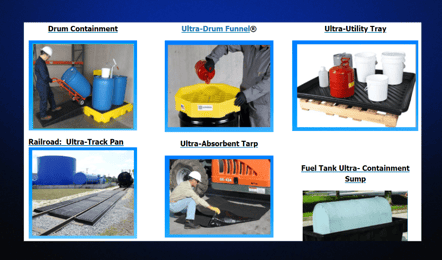
Spill Containenment Options- Global Plastic Sheetng

In the complex tapestry of industries, spill containment, coupled with robust spill containment plans, emerges as a vital safeguard against environmental risks and potential hazards. This blog explores the applications that demand spill protection, the far-reaching consequences of a spill, and the strategic measures in place to mitigate these risks, including the pivotal concept of spill containment plans.

Why is spill containment important?

Spill containment is important because it can help to prevent environmental damage, property damage, and health hazards. Hazardous materials can contaminate soil and water, and they can also release harmful fumes into the air. Spill containment can help to prevent these materials from spreading and causing harm.

Understanding Spill Containment:

Applications:

  1. Manufacturing Facilities: Industries involved in manufacturing processes often handle hazardous materials. Spill containment measures are crucial to prevent these substances from infiltrating the environment.

  2. Chemical Storage Areas: Facilities storing chemicals, whether in warehouses or laboratories, require robust spill containment strategies to prevent leaks and ensure the safety of personnel.

  3. Transportation and Logistics: Vehicles transporting liquids, whether on roads or through pipelines, are susceptible to spills. Containment measures are implemented to minimize the environmental impact and protect ecosystems


Exploring Spill Containment Materials: 

Discover the diverse world of spill containment materials, each uniquely designed to address specific needs. Here are some common types:

  1. Absorbent Materials:

    • Examples: Spill socks and pads
    • Composition: Clay, vermiculite, polypropylene
  2. Containment Barriers:

    • Examples: Berms, dikes
    • Materials: Concrete, steel, plastic
  3. Spill Covers:

    • Composition: Large sheets of plastic or other materials
    • Purpose: Prevents evaporation and spread
  4. Spill Kits:

    • Description: Portable kits with various containment materials
    • Usage: Ideal for industrial settings prone to spills

Consequences of a Spill:

  1. Environmental Impact: Spills can lead to soil, water, and air pollution, adversely affecting ecosystems. Aquatic life, vegetation, and the overall biodiversity of an area are jeopardized.

  2. Health and Safety Risks: Spills pose immediate risks to human health, causing respiratory issues, skin irritation, and long-term health problems. Evacuations and health hazards become imminent concerns.

  3. Legal Ramifications: Companies failing to implement adequate spill containment measures may face severe legal consequences, including fines, lawsuits, and regulatory penalties.

Mitigating Risks:

  1. Strategic Planning: Identifying potential spill points and incorporating spill containment measures into facility designs is a proactive approach to risk mitigation.

  2. Training and Awareness: Educating personnel on proper handling procedures, spill response protocols, and the use of containment equipment is crucial for effective risk management.

  3. Use of Containment Systems: Implementing spill containment systems such as berms, absorbent materials, and drainage controls helps prevent the spread of hazardous substances.

Understanding Spill Containment Plans:

  1. Definition: A spill containment plan is a comprehensive document outlining procedures and protocols for preventing, responding to, and mitigating the impact of spills. It includes strategies to contain, control, and clean up spills effectively.

  2. Who Uses Them: Industries dealing with hazardous materials, including manufacturing, chemical production, transportation, and storage facilities, utilize spill containment plans. These plans are essential components of environmental and safety compliance.

  3. Key Components: Spill containment plans typically detail spill response procedures, personnel responsibilities, communication protocols, emergency contacts, and the deployment of containment equipment.

Key Components of a Spill Containment Plan:

  1. Risk Assessment:

    • Identify potential spill sources and vulnerable areas.
    • Assess the types and quantities of hazardous materials on-site.
    • Evaluate the environmental sensitivity of the surrounding area.
  2. Prevention Strategies:

    • Implement engineering controls to minimize spill risks.
    • Train personnel on proper handling, storage, and transportation of hazardous materials.
    • Regularly inspect and maintain equipment to prevent leaks.
  3. Personnel Training and Awareness:

    • Provide comprehensive training for personnel on spill response procedures.
    • Ensure awareness of the location and proper use of spill containment equipment.
    • Conduct regular drills and exercises to enhance preparedness.
  4. Spill Response Procedures:

    • Establish clear communication channels for reporting spills.
    • Designate personnel responsibilities and emergency contacts.
    • Develop a tiered response system based on the size and nature of the spill.
  5. Containment and Cleanup Measures:

    • Specify the types of containment systems to be used (berms, absorbent materials, etc.).
    • Outline procedures for isolating and controlling the spill area.
    • Detail cleanup methods and disposal practices for spilled materials.
  6. Communication Protocols:

    • Establish a communication chain for notifying relevant personnel, authorities, and emergency responders.
    • Provide clear instructions for communicating with the public and media, if necessary.
  7. Emergency Contacts and Resources:

    • Compile a list of emergency contacts, including local authorities, spill response teams, and environmental agencies.
    • Identify and ensure access to necessary resources, such as spill response equipment and cleanup materials.
  8. Documentation and Reporting:

    • Develop a system for documenting spill incidents, response actions, and outcomes.
    • Establish reporting requirements to regulatory bodies and internal stakeholders.

Conclusion: Prioritizing Environmental Stewardship

Spill containment plans are integral to a holistic approach in minimizing the environmental impact of spills. By aligning comprehensive plans with advanced containment technologies, industries can not only comply with regulations but also fortify their commitment to environmental stewardship. Through vigilance, education, and the proactive implementation of spill containment plans, the aim is to create safer, more sustainable operations that prioritize environmental resilience and community well-being.

Choosing the Right Spill Containment Materials: 

When it comes to selecting the ideal spill containment materials, seeking guidance from a professional is key. Their expertise allows for a thorough assessment of your requirements, leading to tailored recommendations based on your specific situation.

Please visit our Spill Containment Product Page here

Tap For Pricing & Info (619) 448-4439

Tags: spill containment, Spill containment plan