Plastic Sheeting Blog. Click on Home for all our product categories...

Global Plastic Sheeting

Recent Posts

HDPE and LLDPE- What are Their Strengths and Weaknesses?

Posted by Global Plastic Sheeting on Tue, May 07, 2024 @ 02:22

Understanding the Pros and Cons of Linear Low-Density Polyethylene (LLDPE)

Linear Low-Density Polyethylene (LLDPE) is a versatile polymer that finds extensive use in various industries due to its unique properties. From packaging to construction, LLDPE offers a range of benefits, yet it also presents certain limitations. Let's delve into the advantages and disadvantages of LLDPE, exploring examples along the way.

Advantages of LLDPE:

  1. Flexibility and Durability: LLDPE possesses exceptional flexibility, making it ideal for applications where toughness and resilience are paramount. For instance, in the packaging industry, LLDPE films are used to create flexible and durable packaging materials such as plastic bags and stretch wrap. These materials can withstand rough handling during transportation without tearing or puncturing.

  2. Chemical Resistance: One of the notable advantages of LLDPE is its resistance to various chemicals, including acids, bases, and solvents. This property makes it suitable for applications where exposure to harsh chemicals is common. For example, LLDPE is often used to manufacture chemical storage tanks, pipes, and liners for industrial purposes.

  3. Impact Strength: LLDPE exhibits excellent impact strength, which makes it suitable for applications requiring toughness and resistance to impact damage. For instance, in the construction industry, LLDPE geomembranes are used as liners in landfills and ponds to prevent seepage of liquids and chemicals into the soil.

  4. Processability: LLDPE is relatively easy to process using common plastic processing techniques such as extrusion, blow molding, and injection molding. Its excellent melt strength and melt flow properties allow for efficient production of a wide range of products with intricate shapes and designs.

Disadvantages of LLDPE:

  1. Environmental Concerns: While LLDPE offers several advantages, its environmental impact is a significant concern. Like other plastics, LLDPE is derived from non-renewable fossil fuels and is not biodegradable. Improper disposal of LLDPE products can contribute to environmental pollution and littering, posing risks to wildlife and ecosystems.

  2. Heat Resistance: Compared to other types of polyethylene, such as high-density polyethylene (HDPE), LLDPE has lower heat resistance. It softens at relatively low temperatures, limiting its suitability for high-temperature applications such as hot water pipes or food packaging that requires heat sealing.

  3. Barrier Properties: LLDPE has lower barrier properties compared to other polymers such as ethylene vinyl alcohol (EVOH) or polyvinylidene chloride (PVDC). This limitation may restrict its use in applications requiring excellent gas or moisture barrier properties, such as food packaging for perishable goods.

  4. Mechanical Properties: While LLDPE offers good flexibility and impact strength, it may exhibit lower tensile strength and stiffness compared to other polymers like polypropylene (PP) or polyethylene terephthalate (PET). This can limit its suitability for certain structural or load-bearing applications.

Comparing HDPE and LLDPE: Applications and Suitability

High-Density Polyethylene (HDPE) and Linear Low-Density Polyethylene (LLDPE) are both widely used thermoplastic polymers with distinct properties that make them suitable for different applications. Understanding when to use HDPE over LLDPE requires consideration of their specific characteristics and the requirements of the intended application.

  1. Water and Chemical Tanks:

    • HDPE: HDPE is often preferred for manufacturing water and chemical storage tanks due to its excellent chemical resistance and high tensile strength. It can withstand exposure to a wide range of chemicals without degradation, making it ideal for storing corrosive substances.
    • LLDPE: While LLDPE also offers good chemical resistance, it may not be as suitable for storing highly aggressive chemicals or at elevated temperatures as HDPE. Therefore, HDPE is typically chosen for applications where superior chemical resistance and strength are critical.
  2. Pipes and Tubing:

    • HDPE: HDPE pipes are commonly used for water and gas distribution, sewage systems, and agricultural irrigation due to their high strength, durability, and resistance to corrosion and abrasion. HDPE's stiffness and toughness make it suitable for underground and above-ground applications requiring long-term reliability.
    • LLDPE: LLDPE pipes may be used for low-pressure applications such as drainage systems or non-critical water distribution. However, due to its lower stiffness and strength compared to HDPE, LLDPE pipes may not be suitable for high-pressure or structural applications.
  3. Packaging Films and Bags:

    • HDPE: HDPE films and bags are used for packaging a wide range of products, including food, textiles, and industrial goods. HDPE's stiffness and tear resistance make it suitable for applications where puncture resistance and dimensional stability are important.
    • LLDPE: LLDPE films are preferred for applications requiring stretchability and flexibility, such as stretch wrap for palletized goods or agricultural films. LLDPE's superior elongation properties make it ideal for wrapping irregularly shaped objects and providing load stability during transportation.
  4. Geomembranes and Pond Liners:

    • HDPE: HDPE geomembranes are commonly used as liners in landfills, ponds, and reservoirs due to their high puncture resistance, chemical resistance, and durability. HDPE liners provide reliable containment and protection against leakage of liquids and contaminants.
    • LLDPE: LLDPE geomembranes may be used for less demanding applications where cost-effectiveness and flexibility are prioritized over long-term performance and chemical resistance. However, LLDPE liners may not offer the same level of durability and environmental protection as HDPE liners.

Tap For Pricing & Info (619) 448-4439

Demystifying Geomembranes: Understanding Their Purpose and Variability

Posted by Global Plastic Sheeting on Thu, May 02, 2024 @ 02:06

What's a Geomembranes Primary Role?

Geomembranes are primarily known for their role as fluid barriers, but their construction methods and materials can lead to confusion. Manufacturers use different methods and materials, resulting in varying properties aimed at achieving the same function. Additionally, the definition of a "fluid barrier" can be subjective, influenced by factors such as site conditions, application requirements, fluid composition, and regulatory standards.

Standardized Testing Industry Groups

To address this complexity, various testing and industry groups have worked  to standardize the testing of geomembranes. Organizations listed below have prepared materials to  establish specifications for groups of t\geomembranes which have at least some common properties. They include:

ASTM International (ASTM)

ASTM International (formerly known as the American Society for Testing and Materials) is a globally recognized organization composed of industry experts, manufacturers, engineers, scientists, and other professionals. It is dedicated to improving product quality, enhancing health and safety, strengthening market access and trade, and building consumer confidence.

ASTM develops and publishes voluntary consensus standards for various materials, products, systems, and services across multiple industries, including construction, manufacturing, and materials testing. These standards provide guidance on design, performance, testing, and specifications, ensuring product quality, reliability, and interoperability.

Regarding geomembranes, ASTM International plays a crucial role in standardizing testing methods and specifications to ensure consistency and quality in the manufacturing and application of geomembranes. Manufacturers, engineers, and other stakeholders in the industry rely on ASTM standards to evaluate geomembrane materials, properties, and performance characteristics.

To apply ASTM standards for geomembranes, manufacturers typically follow established procedures outlined by ASTM committees responsible for developing and maintaining standards relevant to geomembranes. These committees consist of technical experts and industry stakeholders who collaborate to review, revise, and create new standards based on emerging technologies, research findings, and industry needs. Manufacturers can participate in ASTM committee activities by joining as members, attending meetings, and contributing expertise to the development and improvement of geomembrane standards.

Geosynthetic Institute (GSI)

The Geosynthetic Institute (GSI) is a non-profit organization focused on advancing the research, development, and application of geosynthetic materials. Its members include state and federal agencies, engineering firms, manufacturers, academia, and other stakeholders involved in the geosynthetics industry.

GSI conducts research, provides education and training, and offers technical support and consulting services to promote the effective use of geosynthetics in various civil engineering and environmental applications. This includes geomembranes, geotextiles, geogrids, and other geosynthetic materials.

To apply for geomembranes through GSI, stakeholders typically engage with the institute through various channels, such as attending workshops, conferences, and training sessions organized by GSI. Additionally, manufacturers and engineers may collaborate with GSI on research projects or seek guidance and technical assistance related to the selection, design, and installation of geomembranes. GSI also publishes technical manuals, guidelines, and reports on geosynthetic materials, providing valuable resources for industry professionals involved in geomembrane applications.

Fabricated Geomembrane Institute (FGI)

The Fabricated Geomembrane Institute (FGI) is an organization focused on promoting the use of fabricated geomembranes in various civil and environmental engineering applications. Its members include manufacturers, equipment suppliers, fabricators, academia, and other stakeholders involved in the fabrication and application of geomembranes.

FGI serves as a resource for research, education, and technical support related to fabricated geomembranes. The institute conducts research projects, develops guidelines and best practices, and offers training and educational programs to promote the understanding and proper use of fabricated geomembranes.

To apply for geomembranes through FGI, stakeholders typically engage with the institute through various means, such as attending workshops, webinars, and conferences organized by FGI. Additionally, manufacturers and engineers may collaborate with FGI on research initiatives, seek technical guidance, or access resources and publications provided by the institute. FGI also facilitates networking opportunities for industry professionals and promotes the exchange of knowledge and expertise in the field of fabricated geomembranes.

For instance, geomembranes are often classified into two broad categories: construction types and polymer types. While these classifications provide a framework for understanding geomembrane properties, differences in manufacturing processes and materials can complicate comparisons.

Nevertheless, certain properties are universally recognized as essential for geomembrane longevity. These properties center around chemical and environmental resistance, as well as survivability. Manufacturers should provide test values, minimum standards, and other performance indicators to address these properties. Understanding where reported standards fall within this spectrum can aid in comparison and design considerations.

In summary, while geomembranes serve a vital function as fluid barriers, their variability and complexity require careful evaluation of properties and standards to ensure optimal performance in specific applications.

Tap For Pricing & Info (619) 448-4439

Tags: geomembranes

Exploring Sterile Packaging Solutions

Posted by Global Plastic Sheeting on Mon, Apr 29, 2024 @ 02:29

Exploring the Essentials: Understanding Clean Room Bags

Introduction: In today's world of precision manufacturing and sensitive technological environments, maintaining cleanliness and sterility is paramount. One essential tool in achieving this is the clean room bag. In this blog post, we'll delve into what clean room bags are, their composition, features, uses, and why they are crucial for various industries.

What is a Clean Room Bag?

A clean room bag, also known as a cleanroom pouch or barrier bag, is a specialized packaging solution designed to maintain cleanliness and sterility in controlled environments such as clean rooms, laboratories, and manufacturing facilities. These bags are constructed from materials that prevent contamination from external sources, ensuring that the contents remain pristine throughout storage, handling, and transportation.

Composition and Features of Clean Room Bags:

Clean room bags are typically made from low-particulate plastic films such as polyethylene (PE), polypropylene (PP), or nylon. These materials are chosen for their high levels of cleanliness, durability, and chemical resistance. Additionally, clean room bags may feature the following characteristics:

  • Anti-static properties to prevent electrostatic discharge (ESD).
  • Heat-sealed seams for airtight and secure closure.
  • Transparent or opaque design for easy identification of contents.
  • Various sizes and configurations to accommodate different items and applications.
  • Compliant with industry standards and regulations for cleanliness and sterility.

Who Uses Clean Room Bags and Why?

Clean room bags are utilized across a wide range of industries and applications where cleanliness and sterility are critical. Some common industries and sectors that use clean room bags include:

  1. Semiconductor and electronics manufacturing.
  2. Pharmaceutical and biotechnology industries.
  3. Aerospace and defense.
  4. Medical device manufacturing.
  5. Food and beverage processing.
  6. Automotive and aerospace industries.

These industries use clean room bags to:

  • Protect sensitive electronic components from contamination.
  • Preserve the integrity and sterility of pharmaceutical products and medical devices.
  • Safeguard critical components and equipment during transportation and storage.
  • Ensure compliance with regulatory standards and quality control requirements.
  • Minimize the risk of product defects, rework, and costly recalls.

What Makes the Bag Clean?

Clean room bags are manufactured and packaged in controlled environments to minimize the presence of contaminants such as dust, particles, and microorganisms. The materials used in their construction undergo rigorous testing and validation to ensure compliance with cleanliness and sterility standards. Additionally, clean room bags are designed to provide an effective barrier against external contaminants, preventing ingress and maintaining the cleanliness of the contents.

What Goes Into the Bag?

Clean room bags can accommodate a wide variety of items and materials that require protection from contamination. Some common items that may be stored or transported in clean room bags include:

  • Electronic components and assemblies.
  • Pharmaceutical products, drugs, and medical devices.
  • Precision instruments and tools.
  • Chemicals, reagents, and laboratory samples.
  • Food ingredients and sensitive consumables.
  • Cleanroom garments, gloves, and personal protective equipment (PPE).

Conclusion: Clean room bags play a vital role in maintaining cleanliness, sterility, and product integrity in controlled environments across various industries. With their specialized construction, materials, and features, these bags provide an effective barrier against contaminants, ensuring that sensitive materials and products remain pristine and compliant with stringent quality standards. Whether used in semiconductor manufacturing, pharmaceutical production, or laboratory settings, clean room bags are indispensable tools for safeguarding critical assets and ensuring the success of precision-driven operations.

Please visit the Clean Room Bags Product Page for more information.

Tap For Pricing & Info (619) 448-4439

Tags: Clean Room Bags Sterile Packaging

Creating a Haunted House -Ten Fun Ideas!

Posted by Global Plastic Sheeting on Mon, Apr 29, 2024 @ 09:11

 Create a Spine-Chilling Haunted House with Black Fire Retardant Plastic Sheeting and Tape

Fore Retardamt plastic sheeting for Halloween Haunted Houses

Introduction: Transforming your space into a spine-chilling haunted house is easier than you think, especially with the help of black fire retardant plastic sheeting and tape. In this blog post, we'll explore how you can unleash your creativity and set the stage for a truly terrifying experience using these versatile materials. From eerie decorations to immersive props, get ready to make your haunted house the talk of the town!

Setting the Scene:

  1. Ghostly Entrance: Hang black fire retardant plastic sheeting over the entrance to create a mysterious tunnel effect. Add flickering lights or strobe effects for an extra eerie ambiance.

  2. Cobweb Canopies: Drape black plastic sheeting from the ceiling to create the illusion of cobwebs dangling overhead. Add plastic spiders and bats for a creepy touch.

  3. Shadowy Silhouettes: Cut out spooky shapes like ghosts, witches, and monsters from black plastic sheeting and tape them to walls and windows for shadowy silhouettes that will send shivers down guests' spines.

  4. Haunted Hallways: Create winding corridors and maze-like pathways using black plastic sheeting partitions. Add twists, turns, and dead ends to keep guests on their toes.

  5. Foggy Frights: Use black plastic sheeting to create a fog tunnel by draping it over a PVC frame. Add a fog machine at one end to create an atmospheric mist that enhances the eerie ambiance.

  6. Ghastly Graveyard: Set the stage for a haunted graveyard scene by covering tombstones and props with black plastic sheeting. Add flickering LED candles or lanterns for an otherworldly glow.

  7. Sinister Silhouettes: Cut out life-sized silhouettes of monsters, zombies, or haunted figures from black plastic sheeting and tape them to walls or stand them up in corners to startle unsuspecting guests.

  8. Creepy Curtain Call: Hang strips of black plastic sheeting from doorways to create a chilling curtain effect. Guests will feel a sense of trepidation as they step through the eerie barriers.

  9. Ghostly Projections: Use a projector to cast ghostly images onto black plastic sheeting-covered walls. Create scenes of floating spirits or haunting apparitions to captivate and frighten guests.

  10. Spooky Sensory Experience: Incorporate sound effects, such as eerie music, creaking doors, and ghostly whispers, to heighten the atmosphere and immerse guests in a truly spine-chilling experience.

Conclusion: With black fire retardant plastic sheeting and tape, the only limit to your haunted house creations is your imagination. From ghostly apparitions to spine-chilling surprises, these versatile materials allow you to craft a truly unforgettable and immersive experience for guests of all ages. So gather your supplies, unleash your creativity, and get ready to create the haunted house of your nightmares!

Visit the Haunted House Black Plastic Product Page Here

Tap For Pricing & Info (619) 448-4439

Tags: Hauntedhouseideas

Can You Stop Black Plastic Sheeting from Degrading in the Sun?

Posted by Global Plastic Sheeting on Wed, Apr 24, 2024 @ 10:13

Can You Stop Black Plastic Sheeting from Degrading in the Sun? Not Quite, But Here Are Your Options

Black plastic sheeting is a handy tool for a variety of projects, from weed control in your garden to temporary construction barriers. But there's a catch: exposure to sunlight breaks down the plastic over time. This blog dives into the reality of sun degradation and explores some alternative options depending on your project needs.

Understanding Sun Degradation:

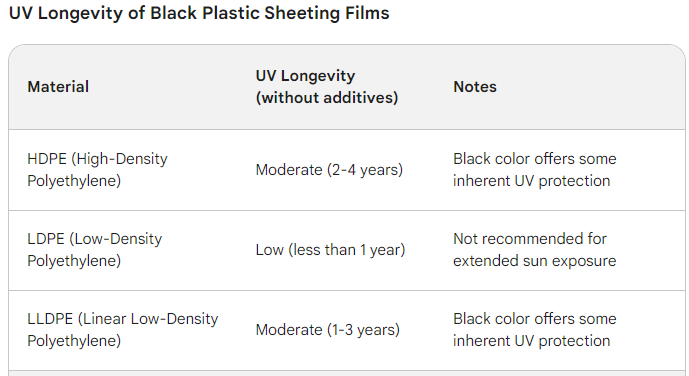
The culprit behind plastic sheeting's demise is ultraviolet (UV) radiation from the sun. UV rays break down the plastic's molecular structure, making it brittle, cracked, and ultimately unusable. Black plastic, while offering some UV protection due to its color, still succumbs to sun damage, although typically at a slower rate than clear plastic.

So, Can You Completely Stop Degradation?

Unfortunately, there's no magic bullet to completely prevent sun degradation of black plastic sheeting. However, there are ways to slow down the process:

  • Limited Sun Exposure: Plan your project to minimize direct sunlight exposure. If possible, cover the black plastic with shade cloths or tarps when not in use.

  • Higher Quality Plastic: Opt for higher quality, UV-treated black plastic sheeting. These have additives that offer some additional protection against UV rays, extending their lifespan.

Important Note: Even UV-treated plastic will eventually degrade. The manufacturer's specifications will indicate the expected lifespan under sunlight exposure.


Choosing the Right Option:

The best solution depends on your specific project requirements:

  • Project Duration: For short-term projects, black plastic sheeting might suffice. For long-term needs, consider more durable alternatives.

  • Sun Exposure: If your project involves significant sun exposure, opt for UV-treated plastic or explore alternative materials.

  • Environmental Impact: If eco-friendliness is a concern, consider landscape fabric, mulch, or woven ground covers as they decompose naturally.

Remember, while black plastic sheeting offers a convenient solution, sun degradation is inevitable. By understanding the limitations and exploring alternative options, you can choose the best material for your project's needs and environmental impact.

Please visit the UV Resistant Plastic Sheeting Page to find multiple UV Treated Films here.

Tap For Pricing & Info (619) 448-4439

Enkamat 7010/7020: Installation Guide for Ventilated Roof Underlayment

Posted by Global Plastic Sheeting on Tue, Apr 23, 2024 @ 04:40

Enkamat 7010/7020: Installation Guide 

This guide provides essential steps for installing Enkamat 7010/7020, a ventilated underlayment for metal roofs. Safety First: Avoid high wind conditions during installation for optimal results.

Before You Begin:

  • Store Enkamat rolls upright in a clean, flat, protected location.
  • Ensure the roof sheathing is sound, smooth, clean, and dry with no irregularities. Acceptable sheathing materials include plywood, particle board, insulation board, and metal decking. Verify with local building codes for approved substrates.
  • Sheathing should be flat within 1/4 inch (6.4mm) over a 4-foot (1.2 m) radius, free of major dips or bumps.
  • Double-check that a weather barrier is properly installed following the manufacturer's recommendations.

Flashing and Ice Dam Protection:

  • Ensure proper flashing is installed around gutters, wall transitions, and that the roof design incorporates proper ventilation.
  • Install metal edge flashing or drip edge before applying Enkamat.
  • In harsh climates, an ice dam protection membrane is recommended at the roof's down-slope edge. Extend the membrane at least 24 inches beyond the exterior wall towards the ridge. For slopes less than 4:12, extend the membrane to 36 inches. Apply a layer of Enkamat over this membrane for ventilation.
  • Consider ice dam protection membranes for valleys, penetrations, and other roof transitions as well. A layer of Enkamat should be installed over the membrane for ventilation.
  • Always consult building codes and membrane manufacturer recommendations.

Enkamat Installation:

  • Enkamat can be installed horizontally (parallel to the ridge) or vertically (parallel to the slope). The vertical method is generally preferred for sloped roofs and can be installed as the metal roofing is applied.
  • You can choose to fully install Enkamat over the weather barrier to protect it during construction from scuffing, tearing, or other damage.
  • Lay the underlayment loosely and smooth out any wrinkles, starting at the top of the slope. For some installations, you may want to use a continuous piece from the eave to the ridge and down to the other eave. Begin the next row with the same orientation, butting it to the previous piece. Avoid overlapping.
  • Enkamat can be secured with staples, galvanized roofing nails, or cap nails. Ensure sufficient attachment to prevent the underlayment from sliding or tearing during roof installation.
  • At the ridge, the top piece should overlap a minimum of 6 inches. If using ridge ventilation for the attic space, a different detail is required (refer to ridge vent manufacturer's guide).

End Joints and Penetrations:

  • Simply butt the ends of two Enkamat pieces together. Avoid overlapping the entangled filament mats to prevent uneven thickness.
  • For penetrations like pipes, vents, or conduits, use a utility knife or scissors to carefully trim Enkamat around them, avoiding damage to the weather barrier.

Additional Details:

  • Follow the ridge vent manufacturer's instructions for proper weather barrier installation at the ridge.
  • For some rake edge details (sloped roof edge), you may need extra Enkamat to wrap over the facing and provide ventilation at the rake or other metal trim.
  • Do not leave Enkamat uncovered for more than 60 days.

By following these guidelines, you can ensure a successful installation of Enkamat 7010/7020 for a well-ventilated and protected metal roof.

Tap For Pricing & Info (619) 448-4439

Tags: Enkamat 7020 Installation

HDPE vs LLDPE vs LDPE- Applications

Posted by Global Plastic Sheeting on Thu, Apr 18, 2024 @ 04:27

The ABCs of Plastic Film: Demystifying HDPE, LLDPE, and LDPE

Have you ever gotten lost in the alphabet soup of plastic packaging? HDPE, LLDPE, LDPE – these cryptic codes seem to be everywhere, from grocery bags to bubble wrap. But what exactly do they mean, and why does the type of plastic film matter? This blog dives into the world of these three common plastics, clearing up misconceptions and highlighting their unique roles in society.

The HDPE, LLDPE, and LDPE Breakdown:

  • HDPE (High-Density Polyethylene): The toughest of the bunch, HDPE is known for its exceptional strength, rigidity, and chemical resistance. 

    High-density polyethylene (HDPE) isn't just about sturdy milk jugs and laundry detergent bottles. As a versatile and reliable material, HDPE takes on a crucial role in our world in the form of liners. These heavy-duty sheets act as barriers, protecting people, the environment, and valuable assets. Here's a glimpse into the important jobs HDPE liners perform:

    • Landfills and Waste Management: Large, thick HDPE liners form the foundation of modern landfills. These liners act as a crucial barrier, preventing harmful contaminants from seeping into the soil and groundwater.

    • Ponds, Lakes, and Canals: HDPE liners are used to create artificial ponds, lakes, and canals. They prevent water loss through seepage and help maintain consistent water levels.

    • Aquaculture and Fish Farming: Durable HDPE liners create strong and long-lasting ponds for fish farming, protecting the fish from contamination and ensuring clean water quality.

    • Wastewater Treatment Plants: HDPE liners play a vital role in wastewater treatment facilities, containing liquids and preventing leaks or contamination of surrounding soil and water.

    • Construction and Roofing: HDPE liners act as effective moisture barriers beneath foundations and roofs, protecting structures from water damage and promoting long-term durability.

    • Industrial Applications: HDPE liners find diverse uses in industrial settings, from lining chemical containment ponds to preventing corrosion in underground storage tanks.

    Why HDPE?

    • Strength and Durability: HDPE liners are exceptionally strong and can withstand significant wear and tear, making them ideal for long-term containment applications.

    • Chemical Resistance: HDPE is resistant to a wide range of chemicals, making it suitable for containing various liquids and protecting the environment.

    • Impermeability: HDPE liners are nearly impermeable to liquids and gases, preventing leaks and ensuring effective containment.

    • Cost-Effective: Compared to other lining materials, HDPE offers a cost-effective solution for long-lasting performance.

    Next time you see a pond, a landfill site, or even a perfectly paved road, remember the silent hero beneath the surface – the HDPE liner, working tirelessly to protect our environment and infrastructure.

  • LLDPE (Linear Low-Density Polyethylene): Offering a balance of flexibility and strength, LLDPE is known for its tear and puncture resistance. It's commonly used for things like grocery bags, bread bags, and shrink wrap.

    LLDPE Liners: Flexible Protectors for Diverse Needs

    While HDPE excels in heavy-duty containment, linear low-density polyethylene (LLDPE) plays a vital role in the world of liners, offering a unique set of benefits. These liners are all about flexibility and adaptability, making them ideal for applications requiring a more forgiving and form-fitting barrier. Here's how LLDPE liners contribute:

    • Food Grade Liners: LLDPE's flexibility and chemical resistance make it a popular choice for food-grade liners. These liners are used in food storage containers, coolers, and even some types of trash can liners for food waste.

    • Medical Waste Liners: Hospitals and healthcare facilities utilize LLDPE liners for various waste disposal needs. Their puncture resistance and ability to conform to different shapes are crucial for safe medical waste containment.

    • Pond Liners for Decorative Applications: For decorative ponds, fountains, or artificial landscapes, LLDPE liners offer a more flexible alternative to HDPE. They can conform to uneven surfaces and create natural-looking water features.

    • Pool Liners: Some above-ground and prefabricated pools utilize LLDPE liners. Their flexibility allows them to adapt to the pool's shape and withstand seasonal temperature changes.

    • Secondary Containment Liners: In industrial settings, LLDPE liners can be used as secondary containment barriers around primary tanks holding hazardous materials. Their flexibility allows them to mold around existing structures.

    • Construction and Roofing Underlayment: LLDPE sheets can act as underlayment for roofs or beneath concrete slabs. Their flexibility helps bridge minor gaps and imperfections in the sub-base, providing a more consistent surface.

    Why LLDPE?

    • Flexibility: LLDPE's key advantage is its ability to conform to irregular shapes and surfaces, making it suitable for applications where a more adaptable barrier is needed.

    • Puncture Resistance: Despite its flexibility, LLDPE offers good puncture resistance, crucial for containing sharp objects like medical waste or construction debris.

    • Cost-Effective: LLDPE liners are a cost-effective solution for applications where heavy-duty containment of HDPE isn't necessary.

    • Chemical Resistance: While not as extensive as HDPE, LLDPE offers adequate chemical resistance for various applications, including food contact.

    So, the next time you encounter a decorative pond with a natural look, a well-maintained roof, or even a specialized medical waste bin, remember the unsung hero – the LLDPE liner, providing a flexible and adaptable barrier for diverse needs.

  • LDPE (Low-Density Polyethylene): The most flexible option, LDPE is valued for its transparency and ease of sealing. It's the go-to for cling wrap, trash can liners, and some types of food packaging.

    LDPE Liners: Clingy Champions for Everyday Protection

    While HDPE and LLDPE tackle heavy-duty and flexible containment, low-density polyethylene (LDPE) steps up as the clingy champion in the world of liners. Known for its remarkable film clarity and ability to form tight seals, LDPE liners play a vital role in protecting various products and preventing leaks. Here's how LDPE liners contribute to our daily lives:

    • Food Packaging Liners: LDPE liners are widely used within food packaging, creating a barrier between food and the outer packaging. They help maintain freshness, prevent leaks, and offer clear visibility of the product.

    • Disposable Containers: Many disposable food containers, like takeout boxes and bakery containers, utilize LDPE liners. These liners prevent moisture loss, extend shelf life, and create a grease-resistant barrier.

    • Medical Instrument Pouches: Sterile medical instruments are often packaged in LDPE pouches. The clarity of LDPE allows for easy visual inspection, while the sealability ensures sterility and protects instruments from contamination.

    • Trash Can Liners for Everyday Use: LDPE is a common material for everyday trash can liners. Its affordability, clingy nature, and leak prevention make it ideal for household waste containment.

    • Drop Cloths and Dust Sheets: In construction and painting applications, LDPE sheets are used as drop cloths and dust sheets. Their ability to conform to surfaces and create a barrier protects floors and furniture from spills and dust.

    • Temporary Covers and Protection: LDPE sheets can be used for temporary covers over furniture, equipment, or unfinished work areas. Their clarity allows for light transmission while providing dust and moisture protection.

    Why LDPE?

    • Clarity: LDPE offers exceptional clarity, allowing for visual inspection of contents without compromising the barrier.

    • Cling Sealability: LDPE forms tight seals around objects and containers, preventing leaks and ensuring secure containment.

    • Moisture Resistance: LDPE acts as a moisture barrier, protecting contents from humidity and preventing spoilage or damage.

    • Cost-Effective: LDPE is an affordable option for various liner applications where heavy-duty containment isn't required.

    • Versatility: The combination of clarity, clinginess, and moisture resistance makes LDPE a versatile material for diverse lining needs.

    From keeping your lunch fresh to protecting your floors during a painting project, LDPE liners play a surprisingly significant role in our daily lives. Their affordability, clarity, and ability to form secure seals make them the clingy champions of everyday protection.

Clearing Up Common Misconceptions:

  • Myth: All plastics are bad for the environment. While plastic waste is a concern, these plastics can be recycled when disposed of properly. Responsible production and responsible recycling are key.

  • Myth: All plastics are created equal. Each type has its own strengths and weaknesses, making them suitable for specific applications.

  • Myth: Biodegradable plastics are always the best option. While biodegradable options are being developed, it's important to consider their biodegradation time and suitability for the application.

The Vital Roles of HDPE, LLDPE, and LDPE:

  • HDPE: Ensures the safe and secure transport of various liquids and chemicals. Its durability makes it ideal for long-lasting products like pipes and outdoor furniture.

  • LLDPE: Protects food and other goods from contamination and damage during transport and storage. Its versatility makes it a popular choice for flexible packaging solutions.

  • LDPE: Keeps food fresh and allows for easy viewing of contents. Its clingy nature makes it perfect for food wrap and other sealing applications.

Choosing the Right Plastic Film:

The choice between HDPE, LLDPE, and LDPE depends on the specific needs of the application. Consider factors like:

  • Strength and Rigidity: HDPE for heavy-duty applications, LLDPE for a balance, LDPE for flexibility.
  • Transparency: LDPE offers the clearest view, while HDPE can be translucent or opaque.
  • Chemical Resistance: HDPE is ideal for harsh chemicals, while LLDPE and LDPE offer varying levels of resistance.

By understanding the differences between HDPE, LLDPE, and LDPE, we can make informed choices about the plastic films we use. Responsible plastic production, responsible recycling, and choosing the right plastic for the job are all crucial steps towards a more sustainable future.

Tap For Pricing & Info (619) 448-4439

15 mil Fire Retardant, String-Reinforced Plastic Sheeting Barrier Uses

Posted by Global Plastic Sheeting on Thu, Apr 18, 2024 @ 02:17

15 Mil Fire Retardant, String Reinforced Vapor Barrier: A Tough Protector for Your Projects

Building projects require careful consideration of various factors, including fire safety and moisture control. A 15 mil fire retardant, string-reinforced vapor barrier offers a powerful solution for both. This blog dives into this versatile material, exploring its applications and the benefits it brings to your projects.

What is a 15 Mil Fire Retardant, String-Reinforced Vapor Barrier?

Imagine a heavy-duty plastic sheet, typically 15 millimeters (or 0.015 inches) thick. This isn't your ordinary plastic; it's a fire-retardant vapor barrier with a secret weapon – string reinforcement. This internal mesh of strong threads enhances the barrier's tear and puncture resistance.

Why Use a Fire Retardant, String-Reinforced Vapor Barrier?

This unique combination of features – fire resistance and enhanced strength – makes the 15 mil barrier ideal for various construction applications:

1. Behind Wall and Ceiling Cladding (Fire Blocking): Installed behind materials like drywall or paneling, it creates a fire barrier that can slow the spread of flames within a building, buying precious time for evacuation and fire control.

Example: Fire blocking behind drywall in residential homes, apartment buildings, or commercial spaces.

2. Under Slab Applications (Moisture and Radon Control): Laid beneath concrete slabs in basements or crawlspaces, it acts as a moisture barrier, preventing ground moisture from entering the living space. In some cases, it can also help control radon gas migration.

Example: Moisture barrier under a concrete slab in a basement home theater or a crawl space beneath a cabin.

3. Roof Decking (Moisture Protection): Placed beneath roof decking materials like plywood or oriented strand board (OSB), it protects the roof structure from moisture infiltration caused by rain or snowmelt.

Example: Moisture barrier under roof sheathing on a new home construction project or a shed addition.

4. Behind Brick Veneer (Moisture Control): Installed behind a layer of brick veneer on an exterior wall, it prevents moisture from penetrating the building envelope and damaging the interior structure.

Example: Moisture barrier behind a decorative brick facade on a commercial building or a residential fireplace surround.

5. Around Plumbing Pipes (Moisture and Condensation Control): Wrapped around pipes running through unconditioned spaces, it helps prevent condensation and potential corrosion issues.

Example: Moisture barrier around exposed plumbing pipes in a crawlspace or a basement.

6. Around HVAC Ducts (Moisture and Airflow Control): Wrapped around HVAC ductwork, it minimizes moisture transmission and leakage, promoting energy-efficient heating and cooling.

Example: Moisture and air barrier around HVAC ducts in an attic or a mechanical room.

7. Temporary Wall and Ceiling Enclosures (Construction Protection): During construction, it can be used to create temporary weatherproof enclosures for walls and ceilings, protecting building materials and ongoing work from the elements.

Example: Temporary weather barrier for a new home under construction during rainy season.

8. Behind Appliances (Moisture and Heat Control): Installed behind appliances like dishwashers or refrigerators, it can help manage moisture and some radiant heat, protecting walls from potential damage.

Example: Moisture barrier behind a dishwasher in a newly remodeled kitchen.

9. Greenhouse Vapor Control (Moisture Management): Strategic placement within a greenhouse helps manage humidity levels and create a more controlled environment for plants.

Example: Interior vapor barrier in a greenhouse to control humidity for orchids or other moisture-sensitive plants.

10. Emergency Shelter and Tarpaulin Applications: Due to its strength and fire-retardant properties, it can be used for temporary emergency shelters or as a heavy-duty tarpaulin in specific situations.

Example: Temporary fire-resistant shelter during a disaster relief operation.

The 15 mil fire retardant, string-reinforced vapor barrier offers a unique combination of strength, moisture control, and fire resistance. By understanding its various applications, you can leverage this versatile material to enhance the safety, durability, and overall performance of your construction projects.

Visit the 12 Mil FR String Reinforced Page here

Tap For Pricing & Info (619) 448-4439

Tags: 12 mil FR String Reinforced Film

Protecting Newly Poured Concrete

Posted by Global Plastic Sheeting on Wed, Apr 17, 2024 @ 03:16

Protecting Your Newly Poured Concrete: A Guide to Armorlon Transguard 4000

So, you've just poured some fresh concrete, huh? Congrats! But hold up – before you start celebrating, there's something you need to know: that concrete needs protection. Yep, just like how you'd protect your phone with a sturdy case, newly poured concrete requires safeguarding too. Why, you ask? Well, imagine this: your concrete is like a delicate baby bird, vulnerable to the harsh elements and potential damage during its crucial early stages of development.

Curing Concrete: The Key to a Strong and Durable Slab

You've poured your concrete slab – the foundation for your patio, driveway, or even a building. The hard work seems done, but there's one crucial step remaining: curing. Curing allows the concrete to properly hydrate and develop its full strength. Here's a deep dive into how to effectively cure your freshly poured concrete slab:

The Importance of Curing:

Concrete hardens through a chemical reaction between cement and water. This process, called hydration, continues for several days after the initial pour. However, if the concrete dries out too quickly, the hydration process is disrupted. This leads to:

  • Lower Strength: Incomplete hydration results in a weaker slab, more susceptible to cracking and wear.
  • Increased Cracking: Rapid drying creates uneven shrinkage, leading to cracks that can compromise the integrity of the slab.
  • Increased Porosity: Rapid drying can leave microscopic air pockets in the concrete, making it more porous and susceptible to water damage and deterioration.

Methods for Curing Concrete:

There are two main methods for curing concrete:

  1. Water Curing: This traditional method involves keeping the surface of the concrete moist throughout the curing period. Here's how to do it effectively:

    • Start Immediately: Begin water curing as soon as possible after the concrete has finished setting, typically within a few hours after pouring.
    • Apply Water Regularly: The goal is to maintain a continuously moist surface. Frequent sprinkling with a hose or fine misting is ideal. Aim for at least 5-7 applications of water daily, especially during hot and windy conditions.
    • Covering with Burlap: To minimize water evaporation, wet burlap sacks can be placed directly on the concrete surface. Keep them damp by periodically wetting them. Burlap provides an additional benefit by helping to regulate the drying process.
  2. Curing Compounds: These are liquid chemical formulations applied to the concrete surface after it has set. They form a membrane that prevents moisture evaporation while allowing for continued hydration within the concrete.

    • Types of Curing Compounds: There are various types of curing compounds available, each with its own application process and benefits. Some common options include:

      • Water-based: Easy to apply and environmentally friendly, but may require reapplication depending on weather conditions.
      • Solvent-based: Form a more durable film but may have a stronger odor.
      • Membranes: These are pre-formed sheets applied to the concrete surface. They are a good option for large slabs or projects where consistent water application is difficult.
    • Applying Curing Compounds: Follow the manufacturer's instructions for the specific product you're using. Generally, curing compounds are applied with a sprayer or roller to a clean and dry concrete surface.

Curing Duration:

The recommended curing duration depends on several factors, including weather conditions, concrete mix design, and desired strength. As a general rule, concrete should be cured for a minimum of 7 days, with longer curing periods beneficial in cooler or more humid climates.

Additional Tips:

  • Avoid Traffic: Limit foot traffic or construction activities on the newly poured concrete during the curing period. This minimizes stress on the curing concrete.
  • Protect from Elements: During hot weather, consider covering the slab with shade cloths or wet curing materials to minimize sun exposure and water evaporation. In cold weather, protect the slab from freezing temperatures that can disrupt hydration.

By following these guidelines and choosing the appropriate curing method, you ensure your concrete slab reaches its full potential for strength, durability, and longevity.

Enter Armorlon Transguard 4000 – your concrete's new best friend.

Picture it as a trusty shield, standing guard and keeping your concrete safe from harm. Made of natural-colored polypropylene non-woven fabric with a white polyethylene backing, this stuff is like a superhero cape for your concrete. It's got UV stabilizers to ward off the sun's rays, ensuring your concrete doesn't end up looking like a dried-out desert lizard.

And the best part? It's reusable! Yep, you heard that right – you can protect your concrete now and reuse

Transguard 4000 for future projects. Talk about bang for your buck! Plus, it's weatherproof and can handle light traffic, so you can rest easy knowing your concrete is in good hands (or should I say, good cover?).

So, whether you're tackling a massive flatwork project or building a bridge deck to somewhere exciting, Armorlon Transguard 4000 has got your back – literally. Don't leave your concrete hanging out to dry (literally) – give it the protection it deserves with Transguard 4000, and watch it thrive into a sturdy, long-lasting masterpiece.

Visit the Armorlon Transguard 4000 Product Page Here

Tap For Pricing & Info (619) 448-4439

Tags: Concrete Protection Armorlon Transguard 4000

Geotextiles: Beyond Landscaping Fabric

Posted by Global Plastic Sheeting on Wed, Apr 17, 2024 @ 02:58

The Unsung Hero of Construction: Unveiling the Secrets of Geotextiles

Enka-Tex N nonwoven geotextiles-jpg-1

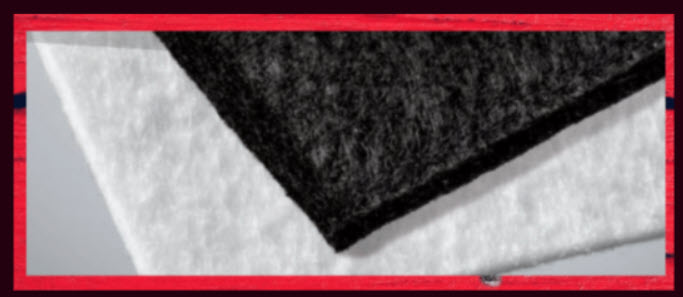
Geotextiles might not be the most glamorous construction material, but they play a vital role in ensuring the stability and longevity of countless projects. These versatile fabrics are more than just fancy landscaping fabric; they're engineered textiles designed to perform specific functions in the ground.

So, what exactly is a geotextile?

Imagine a heavy-duty fabric sheet, typically crafted from polypropylene or polyester. Geotextiles come in various thicknesses and permeabilities, allowing them to be tailored for different applications.

Why Use Geotextiles?

These workhorse fabrics offer a multitude of benefits:

  • Separation: Geotextiles prevent the intermixing of dissimilar materials like soil and gravel. This is crucial in roads and foundations, preventing the subgrade (underlying soil) from weakening the pavement layers above.
  • Filtration: Geotextiles allow water to pass through while filtering out soil particles. This prevents clogging of drainage systems and protects valuable infrastructure from water damage.
  • Reinforcement: Geotextiles can act as a reinforcing layer, distributing stress and loads more evenly across the soil. This improves the overall stability of slopes, retaining walls, and embankments.
  • Protection: Geotextiles act as a barrier, protecting underlying structures from punctures or erosion caused by rocks or sharp objects in the soil.

Where to Find Geotextiles? These versatile materials have a wide range of applications in construction projects:

  • Roads and Pavements: Separation, filtration, and reinforcement for a strong and durable road base.
  • Drainage Systems: Filtration of soil particles to prevent clogging in drains and channels.
  • Landscaping and Erosion Control: Separation of layers, filtration for proper drainage, and soil reinforcement on slopes.
  • Retaining Walls: Reinforcement and filtration for added stability behind retaining walls.
  • Landfills: Separation of waste layers and liner protection from punctures.

Beyond the Ordinary: Unusual Applications of Geotextiles

Geotextiles aren't limited to traditional construction projects. Here are some unexpected uses:

  • Saltwater Intrusion Barriers: Filtration and separation in coastal areas to prevent saltwater from contaminating freshwater supplies.
  • Underground Utility Protection: Protection for pipes and cables from surrounding soil and potential damage during construction.
  • Lining for Artificial Ponds: Separation and filtration for a long-lasting and functional pond.

Geotextile Separation: A Closer Look

Geotextile separation is a fundamental application in construction. By preventing the intermixing of soil and other materials, geotextiles maintain the integrity of each layer. This leads to a stronger foundation, improved drainage, and ultimately, a longer lifespan for the entire project.

Thinking Outside the Box: Geotextiles and Unexpected Solutions

As you've seen, geotextiles are more than just a separation layer. Their versatility opens doors for innovative solutions in various construction and environmental applications. So, the next time you see a construction project, remember the silent hero beneath the surface – the geotextile, ensuring stability and longevity for years to come.

Please visit the Geotextile Product Page here

Tap For Pricing & Info (619) 448-4439


Tags: Geotextiles Uses