Plastic Sheeting Blog. Click on Home for all our product categories...

How Long Does Plastic Sheeting Last? The Durability Demystified

Posted by The Plastic Sheeting Gurus! on Wed, Jul 19, 2023 @ 03:55

What is the Lifespan of Plastic Sheeting?

Introduction: Plastic sheeting is a versatile material used in various industries and applications, but how long can you rely on its durability? In this comprehensive blog, we will explore the factors that influence the lifespan of plastic sheeting and provide valuable insights into maximizing its longevity.

  1. Quality Matters: The longevity of plastic sheeting heavily depends on its quality. Opt for reputable suppliers like Global Plastic Sheeting, offering high-quality materials that withstand the test of time.

  2. Material Type: Different types of plastic sheeting, such as polyethylene, polypropylene, or PVC, have varying lifespans. Consider the intended use and environmental conditions to choose the most suitable material.

  3. UV Resistance: Exposure to sunlight and UV rays can degrade plastic sheeting over time. Look for UV-resistant options to ensure extended outdoor use without compromising its integrity.

  4. Environmental Conditions: Plastic sheeting used in harsh environments or extreme temperatures may have a shorter lifespan. Regularly inspect and maintain the sheeting to mitigate any potential damage.

  5. Installation and Handling: Proper installation and handling play a vital role in determining the sheeting's durability. Ensure correct installation techniques and avoid excessive stress or tension during use.

  6. Maintenance and Cleaning: Routine maintenance and cleaning are essential for prolonging the lifespan of plastic sheeting. Follow manufacturer guidelines and use appropriate cleaning agents to avoid degradation.

  7. Fire Retardant Properties: For applications where fire safety is paramount, opt for fire retardant plastic sheeting. These specialized materials offer enhanced protection and a longer lifespan.

  8. Storage Conditions: Even during storage, plastic sheeting can deteriorate if not stored correctly. Keep it in a cool, dry place, away from direct sunlight and other potential hazards.

  9. Regular Inspections: Periodic inspections help identify any signs of wear or damage early on. Promptly address issues to prevent further degradation and ensure the sheeting's long-term functionality.

  10. Recyclability and Sustainability: Choosing recyclable plastic sheeting not only benefits the environment but also ensures that the material can be repurposed for other applications, extending its overall lifespan.

Conclusion: The lifespan of plastic sheeting varies depending on several factors, but with proper selection, installation, and maintenance, it can provide durable and reliable protection for your projects. Take these considerations into account when choosing plastic sheeting to maximize its longevity and value for your specific needs.

Tap For Pricing & Info (619) 448-4439

Resource page for Plastic Sheeting, Greenhouse Plastic, Fire Retardant Products, HDPE- LLDPE, Tapes  760 597 9298 Global plastic sheeting

Tags: Lifespan of plastic sheeting

The Importance of Plastic Sheeting: Versatility, Protection, and Sustainability

Posted by The Plastic Sheeting Gurus! on Wed, Jul 19, 2023 @ 02:32

The Significance of Plastic Sheeting

Introduction: Plastic sheeting is a versatile and essential material used in various industries for an array of purposes. From construction and agriculture to marine and aerospace applications, plastic sheeting offers an extensive range of benefits that contribute to the success of numerous projects. In this blog, we will explore the importance of plastic sheeting, highlighting its versatility, protective qualities, and sustainability aspects.

1. Versatility: Plastic sheeting comes in a diverse range of types, sizes, and thicknesses, making it incredibly versatile for multiple applications. From low-density polyethylene (LDPE) to high-density polyethylene (HDPE) and fire retardant (FR) versions, plastic sheeting can be tailored to specific needs. It serves as a protective barrier, weatherproof covering, temporary enclosure, or vapor barrier in construction, agriculture, and industrial settings.

  Plastic Sheeting Thickness:  Plastic sheeting is available in various thicknesses, commonly measured in mil sizes. A mil is equivalent to one-thousandth of an inch (0.001 inch). The thicknesses of plastic sheeting typically range from 1 mil to 10 mil or more. Thinner sheeting, such as 1 to 3 mil, is commonly used for lightweight and temporary applications like drop cloths or surface protection during painting. Medium thicknesses, ranging from 4 to 6 mil, offer more durability and are often used for construction projects, covering furniture during storage, or as vapor barriers. Heavy-duty plastic sheeting, with thicknesses of 8 mil or more, provides excellent strength and resilience, making it suitable for industrial applications, agriculture, and marine protection. The mil size directly correlates with the sheeting's sturdiness and protective qualities, allowing users to choose the appropriate thickness for their specific needs.

2. Protection and Durability: One of the primary reasons for using plastic sheeting is its exceptional protective properties. Heavy-duty plastic sheeting is known for its resistance to water, UV rays, chemicals, and abrasions, safeguarding valuable assets in harsh environments. For construction projects, it acts as a reliable vapor barrier, preventing moisture from seeping into structures and causing damage. In agriculture, plastic sheeting protects crops from adverse weather conditions and aids in controlled cultivation. Moreover, fire retardant plastic sheeting ensures safety in fire-sensitive areas, such as marine and aerospace applications.

3. Environmental Sustainability: In an increasingly eco-conscious world, plastic sheeting's environmental sustainability is an essential consideration. Many plastic sheeting products are now manufactured using recycled materials, contributing to waste reduction and resource conservation. Additionally, these sheets can be recycled after use, promoting a circular economy and reducing environmental impact. By choosing sustainable plastic sheeting options, industries can align with green initiatives and reduce their ecological footprint.

4. Cost-Effectiveness: Plastic sheeting offers cost-effective solutions for a wide range of projects. Its versatility and durability reduce the need for frequent replacements, lowering maintenance and repair costs in the long run. Moreover, its lightweight nature facilitates easy handling and installation, reducing labor expenses during construction and transportation.

5. Emergency Preparedness: Plastic sheeting plays a crucial role in emergency preparedness and disaster response. During natural disasters or emergencies, plastic sheeting can quickly provide temporary shelter, protection, and containment solutions. Its versatility and ease of use make it a valuable resource for relief efforts, helping to minimize damage and support recovery.

Conclusion: The importance of plastic sheeting cannot be overstated, given its versatility, protective qualities, and environmental sustainability. From construction and agriculture to marine and aerospace applications, this versatile material contributes to the success of diverse projects. Embracing plastic sheeting not only ensures efficient and cost-effective solutions but also demonstrates a commitment to environmental consciousness and emergency preparedness.

Tap For Pricing & Info (619) 448-4439

Resource page for Plastic Sheeting, Greenhouse Plastic, Fire Retardant Products, HDPE- LLDPE, Tapes  760 597 9298 Global plastic sheeting

Tags: Plastic Sheeting Importance

Sustainability Showdown: SolaWrap Greenhouse Film vs. 6 mil Polyethylene Film

Posted by Team SolaWrap and the Green Thumbs. on Thu, Jun 29, 2023 @ 02:24

Sustainability in Greenhouse Plastic

Introduction: Greenhouses play a crucial role in modern agriculture, allowing for year-round cultivation and protection of plants. When it comes to choosing the right greenhouse film, sustainability considerations are paramount. In this blog post, we'll compare the sustainability aspects of two popular options: SolaWrap Greenhouse Film and 6 mil Polyethylene Film. Let's dive into the details with a side-by-side comparison:

Durability:

  • SolaWrap Greenhouse Film: Made from a unique bubble technology, SolaWrap offers exceptional durability. Its robust design and reinforced air pockets make it resistant to tears, punctures, and degradation over time.
  • 6 mil Polyethylene Film: Although polyethylene film is widely used, the 6 mil variant is relatively thin and less durable. It is more susceptible to damage, punctures, and UV degradation, leading to shorter lifespan and increased waste generation.

Energy Efficiency:

  • SolaWrap Greenhouse Film: The air bubbles within SolaWrap act as effective insulators, reducing heat loss and improving energy efficiency. This translates to lower energy requirements for heating the greenhouse, resulting in reduced carbon emissions and energy costs.
  • 6 mil Polyethylene Film: While polyethylene film provides basic insulation, it is not as efficient as SolaWrap. The thin nature of the film allows more heat to escape, necessitating higher energy consumption for temperature regulation.

Lifespan and Replacement:

  • SolaWrap Greenhouse Film: Due to its durability, SolaWrap has a significantly longer lifespan compared to 6 mil polyethylene film. It can endure harsh weather conditions, UV exposure, and wear and tear for extended periods, reducing the frequency of replacements and minimizing waste generation.
  • 6 mil Polyethylene Film: Polyethylene film, especially the 6 mil variant, tends to degrade and become brittle over time. It may require more frequent replacements, resulting in increased waste and higher resource consumption.

Environmental Impact:

  • SolaWrap Greenhouse Film: SolaWrap's durability and extended lifespan contribute to reduced environmental impact. Its long-term usage decreases the amount of greenhouse film waste generated, conserving resources and reducing landfill contributions. Additionally, SolaWrap is recyclable, further enhancing its eco-friendliness.
  • 6 mil Polyethylene Film: The shorter lifespan and higher replacement frequency of 6 mil polyethylene film contribute to greater environmental impact. The disposal of worn-out film adds to the already substantial plastic waste stream, posing challenges for waste management and recycling efforts.

Conclusion: When it comes to sustainability, SolaWrap Greenhouse Film outshines 6 mil polyethylene film in multiple aspects. Its durability, energy efficiency, longer lifespan, and recyclability make it a more environmentally friendly choice. By opting for SolaWrap, growers can reduce waste, conserve resources, and minimize their carbon footprint. Consider the long-term benefits and sustainability factors when selecting the greenhouse film that aligns with your eco-conscious goals.

Watch a short video here.

Tap For Pricing & Info (619) 448-4439


The Versatility of Anti-Static Fire Retardant Plastic Sheeting: Applications and Key Features

Posted by The Plastic Sheeting Gurus! on Fri, Jun 16, 2023 @ 01:59

Anti-Statice Fire Retardant Plastic Sheeting

anti static fr film

Introduction: Anti-static fire retardant plastic sheeting offers a wide range of applications where fire safety and protection against electrostatic discharge are critical. This blog explores the various industries and environments that benefit from using this specialized plastic sheeting.

  1. Electronics and Technology:
  • Used in electronics manufacturing and assembly areas to prevent electrostatic discharge (ESD) from damaging sensitive electronic components.
  • Ensures the protection and integrity of electronic devices by minimizing the risk of malfunctions or permanent damage.
  1. Cleanrooms and Laboratories:
  • Provides an added layer of protection in controlled environments where fire safety and prevention of electrostatic discharge are vital.
  • Helps maintain a safe and static-free environment for sensitive experiments, tests, and research.
  1. Hazardous Material Storage:
  • Utilized for lining storage areas and creating barriers to minimize fire hazards and potential explosions when storing flammable or combustible materials.
  • Enhances safety measures by acting as a fire-resistant barrier.
  1. Event and Exhibition Spaces:
  • Frequently used as temporary partitions, curtains, or coverings in event venues.
  • Creates fire-safe areas and prevents static discharge, protecting sensitive equipment and installations.
  1. Construction Sites:
  • Offers protection in construction settings, especially when working with materials prone to static buildup or fire hazards.
  • Acts as a barrier to minimize the risk of fire accidents and potential damage to construction materials.
  1. Transportation and Shipping:
  • Used as protective packaging during transportation or shipping of sensitive electronic equipment or materials.
  • Prevents static buildup and reduces the risk of fire incidents, ensuring safe and secure delivery.
  1. Manufacturing and Industrial Facilities:
  • Ideal for industries dealing with flammable materials, chemicals, or sensitive equipment.
  • Reduces the risk of fire accidents and protects critical components from electrostatic discharge.

Key Features of Anti-Static Fire Retardant Plastic Sheeting (ASFR):

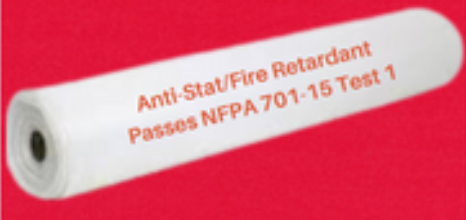
  • 6 mil thick white virgin polyethylene film that meets high-quality standards.
  • Passes NFPA 701-15 Test 1 Flammability Standard, ensuring fire retardancy.
  • Meets TP76300MP Telecommunications Standard, making it suitable for the telephone industry.
  • Does not accumulate static electricity, making it ideal for environments with sensitive electronics.
  • Resistant to dust accumulation, staying cleaner compared to regular plastic sheeting.
  • Can often be re-used, providing cost savings and reducing waste.

Conclusion: Anti-static fire retardant plastic sheeting is a versatile solution that combines fire safety and electrostatic discharge protection. Its applications span across various industries, including electronics, cleanrooms, construction, and transportation. By meeting industry standards and offering unique features, this specialized plastic sheeting enhances safety measures and protects valuable equipment and materials. Always remember to consult relevant regulations and guidelines to ensure compliance and safety in specific applications.

Tap For Pricing & Info (619) 448-4439
Visit the ASfR-6 product page here.

Tags: Anti static fire retardant plastic

How Long Does Black Poly/ Plastsic Sheeting Last?

Posted by The Plastic Sheeting Gurus! on Tue, Jun 13, 2023 @ 10:52

Black Plastic Sheeting- Indoors versus Outdoors for Longevity

Black plastic sheeting, also known as black poly sheeting, is a versatile material with various applications due to its durability and protective properties. When considering the longevity of black plastic sheeting, its lifespan can vary depending on whether it is exposed to direct sunlight or used indoors.

  1. Outdoors/Sunlight: When exposed to direct sunlight and outdoor conditions, black plastic sheeting is generally designed to withstand UV radiation and resist deterioration for a specific period. However, the exact lifespan can depend on several factors, including the quality of the plastic, thickness, and environmental conditions. Typically, black poly sheeting used outdoors can last anywhere from a few months to a few years.

Factors influencing the durability of black plastic sheeting outdoors:

  • UV Resistance: High-quality black poly sheeting is often manufactured with UV inhibitors to extend its lifespan and prevent degradation caused by sunlight exposure.
  • Thickness: Thicker sheets generally offer increased durability and resistance to tearing or puncturing, providing longer-lasting protection.
  • Environmental Conditions: Extreme temperatures, humidity, exposure to chemicals, and physical stress can affect the longevity of the plastic. Harsh climates or frequent weather changes may reduce the lifespan of the sheeting.

Common uses of black poly sheeting outdoors:

  • Agricultural Applications: Black plastic sheeting is commonly used in agriculture for weed control, mulching, and soil protection. It helps prevent weed growth, conserves soil moisture, and regulates soil temperature, promoting healthier plant growth.
  • Construction and Landscaping: Black poly sheeting can be used as a moisture barrier under foundations, as a temporary cover during construction, or for erosion control on slopes.
  • Pond and Pool Liners: Durable black plastic sheeting can be employed as a liner to create or repair ponds, water gardens, or swimming pools.
  • Protective Coverings: It can be used to protect outdoor furniture, equipment, or materials from dust, debris, or adverse weather conditions.
  1. Indoors: When used indoors, away from direct sunlight and outdoor elements, black poly sheeting can last significantly longer. In controlled indoor environments, it can maintain its integrity for several years or even longer.

Indoor applications of black poly sheeting:

  • Moisture and Vapor Barrier: Black plastic sheeting can act as a barrier to prevent moisture and vapor transmission, making it useful in crawl spaces, basements, or attics to control humidity and protect against moisture-related issues like mold or mildew.
  • Protection during Renovations: During home renovations or painting projects, black poly sheeting can be used to cover furniture, floors, or surfaces, providing protection against dust, paint splatters, or other potential damages.
  • Temporary Partitions: Black plastic sheeting can serve as temporary room dividers or barriers in construction zones or event setups, offering privacy and containment.

In conclusion, the lifespan of black plastic sheeting can vary depending on whether it is used outdoors in direct sunlight or indoors. When exposed to sunlight, the duration can range from months to years, while indoors, it can last significantly longer. Understanding the specific environmental conditions, quality of the plastic, and its intended use is crucial for assessing the durability and longevity of black poly sheeting.

Tap For Pricing & Info (619) 448-4439

Resource page for Plastic Sheeting, Greenhouse Plastic, Fire Retardant Products, HDPE- LLDPE, Tapes  760 597 9298 Global plastic sheeting

Tags: longevity of plastic

Is 6 mil Plastic Sheeting Strong? Let's Explore!

Posted by The Plastic Sheeting Gurus! on Sat, Jun 10, 2023 @ 02:59

Plastic Sheeting and its Strength

Introduction: Plastic sheeting is a versatile material that finds applications in various industries and everyday use. One important characteristic that users often consider when choosing plastic sheeting is its strength. In this blog post, we will delve into the topic of 6 mil plastic sheeting and explore its strength in different applications. We will discuss what makes plastic sheeting strong and examine instances where 6 mil thickness is acceptable, as well as situations where it may not be ideal.

Understanding Plastic Sheeting: Plastic sheeting is a flexible, durable, and lightweight material typically made from polyethylene, a type of thermoplastic polymer. It is produced by extruding the plastic resin into a thin sheet, resulting in a wide range of thicknesses. The thickness is measured in mils, with 1 mil equivalent to 0.001 inches or 0.0254 millimeters. Plastic sheeting is available in various thicknesses, ranging from 1 mil to over 100 mils, with 6 mil being a commonly used option.

What Makes Plastic Sheeting "Strong": The strength of plastic sheeting depends on several factors, including its thickness, composition, and intended use. Here are a few key considerations that determine the strength of plastic sheeting:

  1. Thickness: Thicker plastic sheeting generally offers greater strength and durability. A 6 mil plastic sheeting is relatively thick and can withstand moderate stress and tension.

  2. Composition: Plastic sheeting can be reinforced with additives or woven materials to enhance its strength. Reinforced plastic sheeting, such as those incorporating fibers or laminated materials, offers increased resistance to tearing and puncturing.

  3. Tensile Strength: Tensile strength refers to the maximum amount of stretching force a material can withstand before breaking. Higher tensile strength indicates greater resistance to deformation and tearing.

Acceptable Applications for 6 Mil Plastic Sheeting: While 6 mil plastic sheeting is not the thickest available option, it can still be suitable for a range of applications:

  1. Construction: 6 mil plastic sheeting is commonly used in construction projects for temporary moisture barriers, vapor barriers, or as a protective layer during painting or renovation work.

  2. Landscaping: It can be employed as a weed barrier in gardens, as a pond liner, or for covering and protecting outdoor furniture or equipment.

  3. Agriculture: 6 mil plastic sheeting finds utility in agricultural settings for greenhouse coverings, mulching, or as a protective layer for hay or silage.

  4. Packaging: For lightweight items, 6 mil plastic sheeting can be utilized for packaging, wrapping, or protecting goods during transportation.

Limitations and Unsuitable Applications: While 6 mil plastic sheeting has its applications, it may not be ideal for certain situations that demand higher strength or durability:

  1. Heavy-Duty Construction: In heavy-duty construction projects, where greater resistance to impact or long-term durability is required, thicker plastic sheeting, such as 10 or 12 mil, may be more appropriate.

  2. Industrial Applications: Industrial settings with high-stress environments, chemicals, or sharp objects may necessitate specialized plastic sheeting with superior strength or resistance to chemical degradation.

  3. Long-Term Outdoor Use: 6 mil plastic sheeting may not withstand extended exposure to harsh weather conditions, UV radiation, or extreme temperatures as well as thicker options.

Conclusion: The strength of plastic sheeting is influenced by its thickness, composition, and intended use. While 6 mil plastic sheeting offers satisfactory strength for numerous applications, it may not be suitable for heavy-duty construction, industrial applications, or long-term outdoor use. For such scenarios, thicker plastic sheeting or specialized options may be required. It is crucial to carefully evaluate the demands of your specific project and choose the appropriate plastic sheeting accordingly.

Always consult with manufacturers or industry professionals (Global Plastic Sheeting, Inc) to determine the optimal plastic sheeting thickness and composition for your specific requirements. By understanding the strengths and limitations of 6 mil plastic sheeting, you can make informed decisions and ensure successful outcomes for your projects.

Tap For Pricing & Info (619) 448-4439

Resource page for Plastic Sheeting, Greenhouse Plastic, Fire Retardant Products, HDPE- LLDPE, Tapes  760 597 9298 Global plastic sheeting

Tags: 6 mil is it strong?

The Role Of Light In Greenhouse Cultivation

Posted by Team SolaWrap and the Green Thumbs. on Fri, Jun 09, 2023 @ 03:01

Greenhouses Extend Your Growing Season

Introduction: Greenhouses have long been regarded as a vital tool for extending the growing season, protecting crops from adverse weather conditions, and creating optimal environments for plant growth. Among the crucial factors that contribute to the success of greenhouse cultivation, the role of sunlight and transparency stands out as a fundamental element. In this blog post, we will explore the significance of light from the sun in a greenhouse setting, with a specific focus on transparency and its implications for plant growth and productivity.

The Power of Sunlight: Sunlight serves as an essential energy source for plants, driving the process of photosynthesis, which converts light energy into chemical energy, ultimately fueling plant growth. As light reaches the Earth's surface, it contains a spectrum of wavelengths, each with its unique characteristics. These wavelengths include ultraviolet (UV), visible, and infrared (IR) light. While all wavelengths play a role in plant development, the visible light spectrum, specifically blue and red wavelengths, is crucial for photosynthesis.

Transparency and Light Transmission: In the context of a greenhouse, transparency refers to the ability of the covering material to allow sunlight to pass through and reach the plants within. Greenhouse coverings can include glass, polycarbonate, polyethylene film, or acrylic panels, each with varying degrees of transparency. The transparency of the greenhouse covering directly affects the quality and quantity of light transmitted to the plants.

Light Transmission Percentage: The light transmission percentage indicates the amount of sunlight that can penetrate the greenhouse covering material. It represents the proportion of incident light that successfully passes through and reaches the plants inside. For instance, if a greenhouse has 83% light transmittance, it means that 83% of the incoming sunlight is transmitted through the covering material. Generally, a higher light transmittance is desirable as it allows more light to reach the plants, supporting their photosynthesis and growth.

The standard or ideal light transmittance may vary depending on the type of greenhouse covering material used. Common materials include glass, polycarbonate, polyethylene film, or acrylic panels, each with its own light transmittance characteristics. For example, glass typically has a high light transmittance of around 90% or more, while some types of polycarbonate may have a transmittance of around 80-90%.

Greenhouse growers strive to optimize light levels inside the greenhouse to meet the specific needs of their crops. They consider factors such as the light requirements of the plants, the availability of sunlight in the geographic location, and the potential for excessive heat buildup. Achieving an appropriate balance between light transmission and heat insulation is crucial for maintaining optimal growing conditions.

Significance of High Light Transmission: High light transmission is vital for optimal plant growth and productivity in a greenhouse. Adequate sunlight exposure enables efficient photosynthesis, leading to increased biomass production, improved plant development, and enhanced crop yields. When plants receive the appropriate amount and quality of light, they can synthesize more carbohydrates, promote healthy foliage growth, and develop vibrant flowers or fruits.

Factors Affecting Light Transmission: Several factors can influence light transmission in a greenhouse. Firstly, the choice of covering material plays a significant role. Glass, known for its high light transmittance, has traditionally been a popular choice but can be expensive and heavy. Polycarbonate, another common material, offers good light transmission and improved insulation properties. Polyethylene film, although less durable, can provide cost-effective options with varying levels of light transmission.

Maintenance and cleanliness of the covering material also impact light transmission. Dirt, dust, or condensation buildup on the surface can reduce transparency, hinder light penetration, and decrease the overall efficiency of photosynthesis. Regular cleaning and maintenance of the greenhouse covering are crucial to ensure optimal light transmission.

Striking the Balance: While high light transmission is desirable, it's important to strike a balance to prevent excessive heat buildup within the greenhouse. Too much direct sunlight can result in elevated temperatures, leading to heat stress and potential damage to the plants. Growers often employ shading techniques, such as using shade cloths or applying shading compounds, to reduce light intensity during peak sunlight hours and maintain optimal temperature conditions.

Conclusion: In the realm of greenhouse cultivation, the role of sunlight and transparency cannot be overstated. Harnessing the power of natural light through a transparent covering material is vital for enabling photosynthesis, promoting plant growth, and achieving bountiful harvests. Growers must carefully consider the choice of greenhouse covering, its light transmission characteristics, and maintenance practices to ensure an ideal balance between light penetration and temperature regulation. By optimizing transparency, greenhouse growers can unlock the full potential of sunlight, nurturing

Tap For Pricing & Info (619) 448-4439

visit SolaWrapfilms.com  the greenhouse plastic film with the 10 yr uv guarantee


Tags: Light in a greenhouse

SolaWrap: The Revolutionary Greenhouse Film for Professional Growers

Posted by Team SolaWrap and the Green Thumbs. on Thu, Jun 08, 2023 @ 04:30

SolaWrap greenhouse plastic

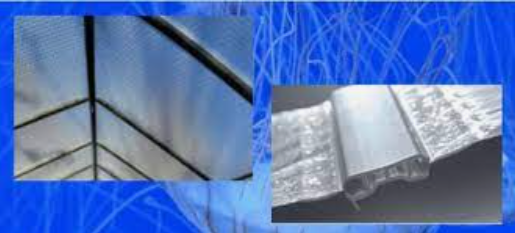
Introduction: SolaWrap greenhouse film is the ultimate solution for professional growers seeking to extend their growing season while ensuring peace of mind. With its unique bubble design, this polyethylene film offers unparalleled energy savings, UV protection, durability, and transparency. Let's explore the exceptional features of SolaWrap and why it's the preferred choice for successful greenhouse cultivation.

SolaWrap: The "One and Done" Film

  • Unmatched Energy Efficiency: With a thermal conductivity value of 3.3 W/sq. m.K, SolaWrap provides significant energy savings. Its insulation properties retain up to 95% of heat radiation, ensuring optimal temperature control and reducing energy costs.
  • High Transparency: SolaWrap guarantees uniform illumination across the entire horticultural area. The air cushion bubbles (1,000 bubbles per sq. m.) provide diffuse illumination, preventing shade formation and burning glass effects.
  • Exceptional Resilience: Unlike other films, SolaWrap withstands the standardized drop weight test without consequences. Its high-quality construction allows it to bear high surface loads and ensures long-lasting performance.
  • Weatherproof Protection: SolaWrap offers the highest degree of security against hail, snow, and high winds. Even during extreme weather events like "Lothar" in 1999, SolaWrap proved its resilience, safeguarding the greenhouse and crops.
  • 5-Year UV Stability: With GPS guaranteeing 5 years of UV stability at 100 Kly/y, SolaWrap retains its color, clarity, and strength even under the harshest climatic conditions.
  • Easy Installation: SolaWrap can be easily cut with a knife or scissors, and the lightweight keder strips simplify installation and replacement of sections.
  • Trouble-free Recycling: SolaWrap is a polyethylene film that can be recycled in an environmentally-friendly manner or thermally reused.

SolaWrap vs. 6 Mil Film: The Distinct Differences

  • Temperature Stability: SolaWrap ensures consistent temperature levels throughout the day, preventing shocks to plants caused by rapid temperature changes. The insulating properties of SolaWrap surpass those of a 6 mil film.
  • Three Kinds of Light: SolaWrap's bubble/film design provides diffused, refracted, and direct sunlight, optimizing light distribution for healthy plant growth.
    • Diffused Light: Diffused light refers to light that is scattered and evenly distributed throughout the greenhouse. This type of light is achieved through materials or techniques that disperse light rays, reducing harsh shadows and minimizing the formation of hotspots. Diffused light provides uniform illumination, reaching plants from various angles and penetrating deeper into the plant canopy. This even distribution of light promotes balanced growth, reduces leaf shading, and enhances photosynthesis efficiency.

    • Refracted Light: Refracted light occurs when light passes through a medium (such as greenhouse covering materials) and changes direction due to the material's optical properties. As light enters the greenhouse, it interacts with the covering material and undergoes refraction. This bending of light rays alters their path, resulting in a broader spread of light within the growing area. Refracted light helps ensure that plants in the lower and shaded areas of the greenhouse receive sufficient light for photosynthesis.

    • Direct Sunlight: Direct sunlight refers to light that reaches plants without any obstruction or manipulation. It is the natural sunlight that comes directly from the sun. Direct sunlight provides the highest intensity of light and contains the full spectrum of wavelengths required for photosynthesis. It is particularly essential during periods of low light intensity, such as winter months or cloudy days, as it ensures plants receive the necessary light energy for optimal growth.


  • Cost Savings in Cannabis Cultivation: Growing medical cannabis in a SolaWrap greenhouse offers significant cost advantages. A report by INC states that greenhouse cultivation can produce the same yield at a fraction of the cost compared to indoor cultivation, resulting in substantial savings for cultivators.

Conclusion: SolaWrap greenhouse film is a game-changer for professional growers, offering unmatched benefits in energy efficiency, light diffusion, durability, and cost savings. With its exceptional insulation properties, weatherproof design, and easy installation, SolaWrap provides the ideal environment for successful greenhouse cultivation. Experience the extended growing season, increased productivity, and peace of mind that SolaWrap brings to your greenhouse operations.

Tap For Pricing & Info (619) 448-4439visit SolaWrapfilms.com  the greenhouse plastic film with the 10 yr uv guarantee


Tags: Types of light in greenhouse

What is Plastic?

Posted by The Plastic Sheeting Gurus! on Wed, Jun 07, 2023 @ 07:00

The Simple Definition of Plastic                                                                           Plastic Plastic is a synthetic material that is made from polymers, which are long chains of molecules. It is typically malleable and can be molded into various shapes when heated, and then retain that shape when cooled. Plastics are widely used in everyday products due to their versatility, durability, and low cost.

Introduction

Plastics are synthetic materials that resemble and function as synthetic versions of natural resins. They are derived from organic compounds and are known for their ability to convert into polymers and harden into solid forms. Plastics have revolutionized modern manufacturing and are widely used across various industries due to their versatility and efficiency.

History

Plastic's rise in popularity can be traced back to the mid-19th century when Alexander Parkes introduced "Parkesine," an early form of plastic derived from cellulose. However, it was the accidental discovery of synthetic polymers by chemist Leo Baekland in 1907 that marked the start of the modern plastic era. The economic deprivations of World Wars and the shift to petroleum further fueled the development and usage of plastic. By the 1960s, plastic had become the material of choice in consumerism.

Types of Plastics

Plastics can be broadly categorized into two groups: thermoplastics and thermosetting plastics. Thermoplastics are widely used due to their ease of workability. They become pliable when heated and regain their rigidity upon cooling. On the other hand, thermosetting plastics are stronger and harder when heated, but cannot be remolded once cured. Examples of thermosetting plastics include polyurethane, Bakelite, and epoxy resin.

Production

Plastic production begins with the creation of plastic resins, which are obtained through a cracking process involving heating hydrocarbons derived from petrochemicals. These resins are then combined with additives to achieve desired properties such as color, strength, and heat resistance. Plastic materials can be molded into various products using processes like injection molding and blow molding.

Advantages and Impact

Plastic materials offer numerous advantages, including their versatility, durability, and cost-effectiveness. Plastics can be shaped into any desired form, making them highly customizable. They are lightweight yet strong, and their resistance to environmental breakdown adds to their longevity. The widespread adoption of plastics has greatly contributed to human development and material wealth, enabling access to a level of resources previously unattainable.

Is Plastic Bad For The Environment? 

People often say that plastic is bad for the environment due to several reasons:

  1. Environmental Pollution: Plastic waste, particularly single-use plastics like bottles, bags, and packaging, contributes to pollution when not properly disposed of. Plastics can take hundreds of years to decompose, leading to accumulation in landfills and oceans. This pollution harms ecosystems, endangers wildlife, and disrupts natural habitats.

  2. Microplastics: Plastic products can break down into tiny particles called microplastics. These microplastics are pervasive in the environment and can contaminate soil, water sources, and even the air we breathe. They have been found in marine life and can enter the food chain, potentially posing risks to human health.

  3. Non-Renewable Resource: Most plastics are derived from fossil fuels, such as oil and natural gas, which are finite resources. Extracting and processing these resources have negative environmental impacts, including air and water pollution, habitat destruction, and greenhouse gas emissions.

What's Good About Plastic?

While plastic has its negative environmental impacts, it also has some benefits and applications that can help protect the environment:

  1. Packaging: Plastic packaging can help prevent spoilage and extend the shelf life of food and other perishable items. This can reduce food waste and the associated environmental footprint.

  2. Energy Efficiency: Plastics are lightweight and can be used in the production of energy-efficient products. For example, lightweight plastic components in vehicles can improve fuel efficiency and reduce carbon emissions.

  3. Renewable Energy: Certain types of plastic, like photovoltaic panels, are used in the production of renewable energy systems such as solar panels. These technologies help reduce reliance on fossil fuels and mitigate climate change.

  4. Medical Applications: Plastics are widely used in the medical field due to their sterile and durable nature. They help prevent infections, improve patient safety, and reduce the need for resource-intensive alternatives.

  5. Insulation: Plastic materials are excellent insulators, contributing to energy efficiency in buildings. They help reduce heating and cooling requirements, thereby decreasing energy consumption and greenhouse gas emissions.

It is important to note that while plastic has some positive applications, efforts should be made to reduce plastic waste, promote recycling, and explore sustainable alternatives to mitigate the environmental impact of plastic use.

In conclusion, plastics have become an integral part of our lives and modern manufacturing. Understanding the different types of plastics, their production processes, and their advantages helps us appreciate their significance and impact on various industries and everyday products.

Tap For Pricing & Info (619) 448-4439


Tags: plastic what are plastics

Understanding the Significance of the Dart Impact Test

Posted by The Plastic Sheeting Gurus! on Tue, Jun 06, 2023 @ 12:31

What is the Dart Impact Test?

The Dart impact test is a standardized test used to evaluate the impact resistance of materials. It measures a material's ability to withstand sudden, high-velocity impact forces. Learn more about its significance and applications."

Introduction:

In various industries, materials are subjected to different types of forces, including impact forces. Understanding how materials respond to impact is crucial for ensuring product durability, safety, and performance. One widely recognized test to evaluate impact resistance is the Dart impact test. In this comprehensive guide, we will delve into the significance of the Dart impact test, its applications, and how it is conducted.

What Items Use Dart Impact Test?

 This test is especially important for materials that may be exposed to impact during transportation, handling, or use in various industries such as packaging, automotive, construction, and more.

Significance of the Dart Impact Test:

  1. Product Durability: The Dart impact test helps manufacturers assess the durability of materials used in their products. It provides valuable data on how a material will withstand impact forces, such as dropping, collision, or heavy objects falling on it. This information is crucial for designing robust and long-lasting products.

  2. Safety Assurance: Many products, such as protective helmets, automotive parts, or packaging materials, need to provide adequate safety for users. Conducting the Dart impact test helps ensure that these products can withstand potential impact events without compromising user safety.

  3. Performance Optimization: By performing the Dart impact test on different materials and formulations, manufacturers can identify the most suitable materials for their specific applications. They can make informed decisions about material selection, improving product performance, and reducing the risk of failure due to impact.

  4. Quality Control: The Dart impact test is an essential tool in quality control processes. Manufacturers can use it to assess the consistency and reliability of materials from different production batches. By setting specific impact resistance standards, they can ensure that only materials meeting the required criteria are used in the production of their goods.

  5. Regulatory Compliance: Many industries have regulations and standards regarding the impact resistance of materials. The Dart impact test helps manufacturers ensure compliance with these regulations and demonstrate that their products meet the necessary safety and quality requirements.

Conducting the Dart Impact Test:

The Dart impact test involves dropping a weighted dart onto a specimen of the material being tested. The dart is dropped from a specified height, and the energy required to puncture or fracture the material is measured. The test results provide valuable information such as impact strength, energy absorption, and failure modes of the material.

During the test, various parameters such as dart weight, drop height, and specimen dimensions are carefully controlled to ensure consistent and accurate results. The test can be performed at different temperatures to evaluate the material's impact performance under varying environmental conditions.

Conclusion:

The Dart impact test plays a vital role in assessing the impact resistance of materials used in various industries. Its significance lies in ensuring product durability, safety, and compliance with industry standards. By subjecting materials to controlled impact forces, manufacturers can optimize product performance, enhance quality control processes, and ultimately provide reliable and safe products to consumers. The Dart impact test serves as a valuable tool in material selection, design optimization, and quality assurance, contributing to the overall success and longevity of diverse industries.

Tap For Pricing & Info (619) 448-4439

Resource page for Plastic Sheeting, Greenhouse Plastic, Fire Retardant Products, HDPE- LLDPE, Tapes  760 597 9298 Global plastic sheeting