Plastic Sheeting Blog. Click on Home for all our product categories...

Made in the USA: Custom Fabricated HDPE Geomembrane Liners for Lasting Performance

Posted by Global Plastic Sheeting on Fri, Mar 22, 2024 @ 10:12

 Custom Fabricated HDPE Geomembrane Liners

Shielding the Earth, One Liner at a Time:

Across the United States, a silent guardian protects our environment – custom fabricated HDPE geomembrane liners. These American-made workhorses play a vital role in a surprising number of applications, ensuring stability and environmental safety.

Strength Built to Measure: The Power of Customization

Unlike pre-sized liners, custom fabricated HDPE geomembranes offer a distinct advantage – they're tailored to perfectly fit the specific needs of a project. This meticulous approach translates to several benefits:

  • Enhanced Efficiency: Custom liners eliminate unnecessary material waste, reducing costs and environmental impact.
  • Superior Fit: Precise measurements ensure a seamless installation, minimizing the risk of leaks or tears in the liner.
  • Complexities Conquered: Custom fabrication allows for intricate shapes and features to be incorporated into the liner, making it ideal for challenging projects.

An American Shield: The Widespread Use of HDPE Geomembranes

The applications of custom fabricated HDPE geomembrane liners are vast. Here are some key areas where they play a critical role:

  • Landfills: These liners act as a barrier, preventing harmful leachate from contaminating the surrounding soil and groundwater.
  • Wastewater Treatment Facilities: They ensure containment of wastewater, preventing environmental pollution.
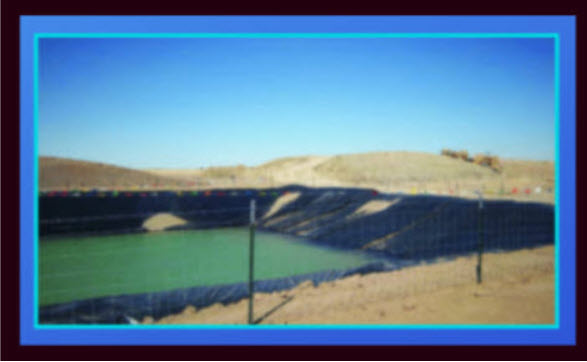
  • Ponds and Canals: Custom liners safeguard water quality by preventing seepage and ensuring efficient water retention.
  • Mining and Industrial Sites: They provide a durable barrier to contain process water, tailings, and other materials.
  • Construction Projects: HDPE liners are used for waterproofing foundations, roofs, and other critical structures.

The exact statistics on the annual usage of HDPE geomembranes in the USA are difficult to pinpoint due to the diverse applications and private nature of some projects. However, industry estimates suggest a market size in the billions of dollars, highlighting the widespread use of this essential material.

Supporting American ingenuity: The Value of Small Businesses

When you choose a custom fabricated HDPE geomembrane liner made in the USA by a certified small business such as Global Plastic Sheeting you're not just getting a superior product; you're making a positive impact:

  • Local Expertise: Small businesses often have a deep understanding of local regulations and project requirements, ensuring solutions tailored to your specific needs.
  • Personalized Service: You'll receive dedicated attention and support throughout the entire process, from design to installation.
  • Community Focus: Your purchase directly contributes to the economic health of your community and supports American jobs.

The HDPE Advantage: A Sustainable Choice

By minimizing leaks and ensuring long-lasting performance, custom fabricated HDPE geomembrane liners contribute to a more sustainable future. Additionally, choosing a USA-made product reduces transportation emissions and supports environmentally conscious manufacturing practices often prioritized by small businesses.

The Next Step: Building a Stronger Future

For your next project requiring containment and protection, consider the American-made advantage. Custom fabricated HDPE geomembrane liners, crafted by a certified small business, offer a powerful combination of performance, environmental responsibility, and community support. It's a win-win for your project and the planet.

Please visit the HDPE Product Page Here

Tap For Pricing & Info (619) 448-4439

Heavy Duty Liners & Geomembranes Made From HDPE Are the Best Choice for Ponds, Landfills and more

Posted by Global Plastic Sheeting on Fri, Mar 22, 2024 @ 09:48

The world beneath our feet is often an intricate network of containment needs. From the serene beauty of a backyard pond to the critical environmental control of a landfill, geomembranes play a vital role in ensuring stability and protection.

But with a variety of materials available, the question arises: what makes Heavy Duty Liners (HDL) and Geomembranes made from High-Density Polyethylene (HDPE) the superior choice?

HDPE: The Champion of Durability

At the heart of HDPE's success lies its exceptional strength and resilience. Here's why it reigns supreme:

  • Puncture and Tear Resistance: Unlike some materials that succumb easily to sharp objects or environmental stresses, HDPE boasts exceptional puncture and tear resistance. This ensures long-lasting performance in demanding applications like landfills, where heavy machinery and sharp debris are a constant presence.

  • Superior Chemical Resistance: HDPE is remarkably inert, meaning it doesn't readily react with most chemicals. This makes it ideal for containing a wide range of materials, from pond water treated with chlorine to the complex leachate generated in landfills.

  • Impenetrable Barrier: HDPE's low permeability creates a virtually impenetrable barrier. This is crucial in applications like pond liners, where preventing water loss through seepage is essential. Similarly, in landfills, it stops harmful contaminants from migrating into the surrounding environment.

  • Durable Against the Elements: HDPE is built to withstand the harshest weather conditions. It's resistant to ultraviolet (UV) light degradation, ensuring its integrity for extended periods under the sun. It also handles extreme temperatures well, making it suitable for various climates.

Beyond Durability: The Added Benefits of HDPE Liners

While durability is a key advantage, HDPE Liners and Geomembranes offer additional benefits:

  • Cost-Effective: HDPE offers exceptional value for money. Its longevity translates to fewer replacements, reducing long-term costs.
  • Easy Installation: HDPE liners are typically lightweight and flexible, making them easier to install compared to heavier or rigid alternatives. This translates to lower labor costs and faster project completion times.
  • Environmentally Friendly: HDPE is a recyclable material, making it an environmentally responsible choice. Additionally, by preventing contaminant leaks in landfills and ensuring efficient water retention in ponds, it contributes to a healthier environment.

The HDPE Advantage: Applications Beyond Ponds and Landfills

The remarkable properties of HDPE Liners and Geomembranes extend their reach beyond ponds and landfills. Here are some additional applications:

  • Aquaculture: HDPE liners create durable and watertight containment for fish farms and aquaculture projects.

  • Mining and Industrial Applications: They provide effective containment for tailings ponds and other industrial needs.

  • Canal Liners: HDPE prevents water seepage and erosion in canals used for irrigation or water transportation.

  • Rooftop Gardens: HDPE liners act as a moisture barrier and protect building structures from root damage in rooftop gardens.

The Final Splash: HDPE - The Clear Choice for Long-lasting Protection

When it comes to Heavy Duty Liners and Geomembranes, HDPE stands out as the clear choice. Its exceptional durability, chemical resistance, and cost-effectiveness make it the ideal material for a wide range of applications. So, next time you have a project requiring containment and protection, consider the unsung hero – the HDPE liner or geomembrane. It's the champion you can't see, but its impact will be long-lasting and secure.

Best of all....MADE IN THE USA!!!!

Please visit the HDPE Liner Product Page Here


Tap For Pricing & Info (619) 448-4439


Tags: Made in the USA HDPE Geomembranes

Demystifying Plastic Sheeting

Posted by Global Plastic Sheeting on Tue, Mar 19, 2024 @ 01:39

So What Is Plastic Sheeting AKA Poly Sheeting?

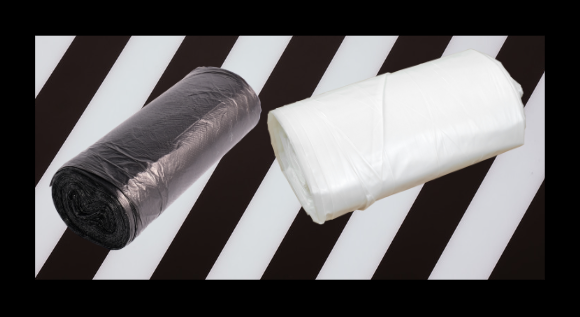
Black and White Plastic Sheeting

Plastic sheeting is a versatile material used in various applications, but for those unfamiliar, understanding its composition and durability can be daunting. Let's break it down.

What is Plastic Sheeting? Plastic sheeting is typically made from polyethylene, a thermoplastic polymer. While polyethylene is durable, it doesn't fare well under prolonged exposure to sunlight, leading to degradation and brittleness over time.

Plastic Sheeting Consumption in the USA

Plastic sheeting plays a ubiquitous role in American life, but how much is actually used? Buckle up, because the numbers are staggering.

  • Annual Consumption: While a definitive figure can be elusive, estimates suggest the United States uses between 110 and 130 billion pounds of plastic sheeting annually! [Source: Gitnux.org, Earth Day Network]

Sheeting the Business Landscape: This plastic goes towards a diverse range of applications:

  • Packaging: This is the undisputed champion, accounting for over 50% of plastic sheeting use. Everything from food to industrial goods gets wrapped in plastic for protection and transport.
  • Construction: The building and construction industry relies heavily on sheeting for temporary structures, moisture control, and protecting surfaces during renovations.
  • Agriculture: Greenhouses, silage wrap for crops, and weed control mats all utilize plastic sheeting extensively.
  • Manufacturing: From protective covers for machinery to forming parts during production processes, plastic sheeting plays a vital role.

The Packaging Powerhouse: So, why is packaging the leader in plastic sheeting consumption? Here's the breakdown:

  • Convenience and Efficiency: Plastic sheeting offers a lightweight, inexpensive way to protect and transport goods, streamlining the packaging process.
  • Product Shelf Life: Many food items rely on plastic wrap to maintain freshness and extend shelf life, reducing spoilage and waste.
  • Versatility: Plastic sheeting can be customized in terms of thickness, clarity, and strength, making it suitable for a wide range of packaging needs.

Why Thicker is Usually Stronger: Thicker plastic sheeting tends to be stronger and more durable than thinner alternatives. However, thickness alone isn't always enough to ensure longevity, especially when exposed to the elements.

String Reinforcement and Additives: To enhance strength and durability, some plastic sheeting is reinforced with strings or fibers. This string reinforcement improves tear resistance and structural integrity, making it suitable for demanding applications. Additionally, additives like UV protection and fire retardants can prolong the lifespan of plastic sheeting, especially when used outdoors.

Applications in Disaster Scenarios: String reinforced plastic sheeting shines in disaster scenarios, where quick and effective shelter solutions are crucial. This durable material can be used to create temporary shelters, cover damaged roofs, or protect belongings from the elements in emergency situations.

Choosing the Right Plastic Sheeting: When selecting plastic sheeting, consider factors like thickness, reinforcement, and additives. Thicker, string-reinforced options with UV protection and fire retardant additives are ideal for outdoor use, ensuring long-lasting performance even in harsh conditions.

Sheeting the Business Landscape: This plastic goes towards a diverse range of applications:

  • Packaging: This is the undisputed champion, accounting for over 50% of plastic sheeting use. Everything from food to industrial goods gets wrapped in plastic for protection and transport.
  • Construction: The building and construction industry relies heavily on sheeting for temporary structures, moisture control, and protecting surfaces during renovations.
  • Agriculture: Greenhouses, silage wrap for crops, and weed control mats all utilize plastic sheeting extensively.
  • Manufacturing: From protective covers for machinery to forming parts during production processes, plastic sheeting plays a vital role.

The Packaging Powerhouse: So, why is packaging the leader in plastic sheeting consumption? Here's the breakdown:

  • Convenience and Efficiency: Plastic sheeting offers a lightweight, inexpensive way to protect and transport goods, streamlining the packaging process.
  • Product Shelf Life: Many food items rely on plastic wrap to maintain freshness and extend shelf life, reducing spoilage and waste.
  • Versatility: Plastic sheeting can be customized in terms of thickness, clarity, and strength, making it suitable for a wide range of packaging needs.

Did you know? Here are some surprising facts about plastic sheeting in the USA:

  • Enough to Wrap the Earth: If laid out flat, the amount of plastic sheeting used in the US annually could potentially wrap the entire Earth more than 2.5 times!
  • Beyond Oil: While traditionally derived from petroleum, some plastic sheeting is now being produced from renewable resources like corn starch, offering a more sustainable option.
  • Hidden Microplastics: The breakdown of plastic sheeting can contribute to microplastic pollution, tiny plastic fragments harming ecosystems and potentially entering the food chain.

The Future of Plastic Sheeting: As sustainability concerns grow, the industry is exploring alternatives like biodegradable or compostable materials. Additionally, efforts are underway to improve plastic recycling to reduce overall environmental impact. The future of plastic sheeting will likely involve a balance between functionality, affordability, and environmental responsibility.

Conclusion: Plastic sheeting may seem simple, but its composition and characteristics can vary widely. By understanding its components and applications, you can confidently choose the right type of plastic sheeting for your needs, whether it's for temporary shelters in disaster scenarios or protecting belongings from the elements at home.

Tap For Pricing & Info (619) 448-4439


Tags: Construction materials

The Importance of Greenhouse Clarity vs. Color:

Posted by Team SolaWrap and the Green Thumbs. on Tue, Mar 19, 2024 @ 09:31

Understanding Greenhouse Clarity vs. Color

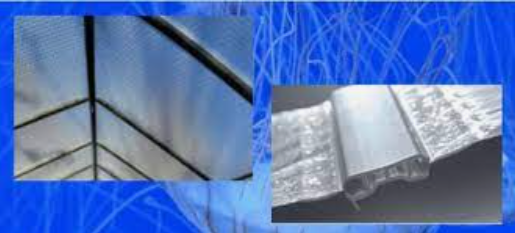
SolaWrap greenhouse plastic- Clarity vs color

Greenhouse clarity refers to the level of transparency or translucency of the covering material used in a greenhouse. A clear or transparent greenhouse covering allows maximum light transmission, essential for plant growth and photosynthesis. On the other hand, greenhouse color refers to the hue or tint of the covering material. Different colors can affect light transmission, heat retention, and UV protection. For example, white or light-colored coverings reflect excess heat, while darker colors absorb more heat. Balancing clarity and color is crucial for optimizing growing conditions and ensuring the success of greenhouse cultivation.

When it comes to greenhouse coverings, clarity and color play crucial roles in determining the performance and effectiveness of the structure. But why should anyone care about these factors, and how do they impact greenhouse functionality? Let's delve into the relevance of clarity vs. color, explore the options available, and understand how different climates may influence these choices. Additionally, we'll examine how SolaWrap Greenhouse film compares to traditional 6 mil options in this regard.

Why Does Clarity vs. Color Matter?

  1. Light Transmission: The level of clarity in greenhouse coverings directly affects the amount of sunlight that penetrates the structure. High clarity allows for maximum light transmission, essential for optimal plant growth and photosynthesis.
  2. Heat Retention: The color of the greenhouse covering can impact heat retention. Darker colors absorb more heat, while lighter colors reflect it. This property is crucial for regulating temperature inside the greenhouse, especially in varying climates.
  3. UV Protection: Certain colors or additives in greenhouse films can provide UV protection, shielding plants from harmful radiation and reducing the risk of sunburn and heat stress.

Options and Considerations:

  1. Clear Films: Clear greenhouse films offer maximum light transmission, making them ideal for regions with limited sunlight or during the winter months. However, they may result in higher internal temperatures due to minimal heat reflection.
  2. Diffused Films: Diffused films scatter sunlight, providing more uniform light distribution throughout the greenhouse. This can reduce shadows and hotspots, promoting even plant growth. Diffused films are beneficial in sunny climates and for crops sensitive to direct sunlight.
  3. Colored Films: Greenhouse films come in various colors, including white, green, and blue. White films reflect excess heat, making them suitable for hot climates, while green or blue films provide a diffused light spectrum, ideal for certain crops' growth stages.

Climate Considerations:

  1. Cold Climates: In colder regions, clear or diffused films may be preferred to maximize light transmission and retain heat during the winter months.
  2. Hot Climates: In hot climates, white or light-colored films are recommended to reflect excess heat and prevent overheating inside the greenhouse.

SolaWrap Greenhouse Film vs. 6 Mil:

  • SolaWrap: SolaWrap Greenhouse film offers high clarity and superior light diffusion, providing optimal growing conditions for plants. Its unique design with encapsulated air bubbles offers excellent insulation, UV stability, and durability, making it suitable for various climates and growing environments.
  • 6 Mil Film: Traditional 6 mil greenhouse film provides basic coverage but may lack the insulation and durability features of SolaWrap. While it offers clarity, it may not offer the same level of light diffusion or temperature regulation.

In conclusion, the choice between greenhouse clarity vs. color is crucial for achieving optimal growing conditions and maximizing crop yields. Understanding the options available and considering factors such as climate, light transmission, and heat retention can help homeowners and growers make informed decisions when selecting greenhouse coverings. SolaWrap Greenhouse film stands out as an innovative solution, offering superior clarity, insulation, and durability compared to traditional 6 mil options, ensuring success in any growing environment.

Tap For Pricing & Info (619) 448-4439

Tags: Greenhouse Clarity, Greenhouse Color

Conquering Crawl Space Moisture: A Homeowner's Guide to a Dry, Healthy Basement

Posted by Global Plastic Sheeting on Mon, Mar 18, 2024 @ 02:52

Got Crawl Space Moisture?

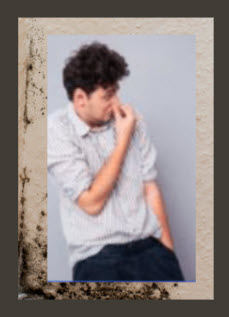
smelly crawl space needs a liner- call 866 597 9298-jpg

Your crawl space, though often unseen, plays a vital role in your home's overall health. Unfortunately, crawl spaces are prime targets for moisture problems, which can lead to a host of issues like mold growth, wood rot, and even structural damage. But fear not, fellow homeowner! This comprehensive guide equips you with the knowledge and steps to tackle crawl space moisture and create a drier, healthier environment.

Understanding the Enemy: Sources of Crawl Space Moisture

Moisture intrusion in your crawl space can have several culprits:

  • Surface Water Intrusion: Rainwater pooling around your foundation or improper grading can seep into the crawl space through cracks or foundation walls.
  • Condensation: Warm, humid air meeting cool crawl space surfaces creates condensation, leaving behind unwanted moisture.
  • Rising Dampness: Ground moisture can wick up through the foundation and into the crawl space, especially in areas with high water tables.

Signs and Symptoms: Detecting Crawl Space Moisture Problems

Early detection is key! Here's what to watch out for:

  • Musty Odors: A damp, musty smell is a telltale sign of mold growth or excessive moisture.
  • Visible Mold or Mildew: Spotting mold or mildew colonies on crawl space walls, floors, or supports signals a moisture problem.
  • Damp Foundation Walls: Visible water stains or dampness on foundation walls indicate moisture intrusion.
  • Rusting or Corroded Metal: Metal components like ductwork or pipes showing signs of rust suggest high humidity levels.
  • Wood Rot: Softening, decaying, or discolored wood floor joists or beams point to moisture damage.
  • Increased Utility Bills: A damp crawl space can make your HVAC system work harder, leading to higher energy bills.

The Arsenal for Action: Effective Moisture Control Strategies

Once you've identified a moisture issue, it's time to take action. Here are some key strategies:

  • Exterior Solutions: Ensure proper grading around your foundation to divert water away from the house. Consider installing gutters and downspouts that extend at least six feet from the foundation.
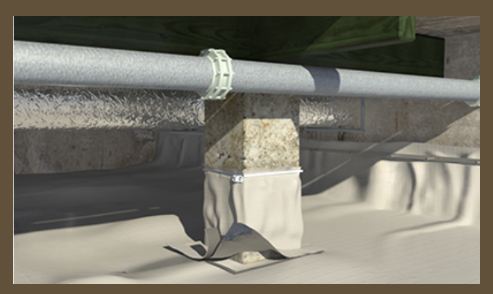
  • Encapsulating Your Crawl Space: This involves installing a vapor barrier on the crawl space floor and walls, effectively sealing it from moisture intrusion.
  • Improving Ventilation: Promote air circulation by installing crawl space vents. However, in humid climates, vents can exacerbate moisture problems. Consult an expert to determine the best approach for your location.
  • Dehumidifier Installation: A dehumidifier can effectively remove excess moisture from the air in your crawl space. Opt for a model sized appropriately for your crawl space and consider an automatic option for continuous moisture control.
  • Maintaining Proper Drainage: If your crawl space has a sump pump, ensure it's functioning correctly and the discharge line is directed away from the foundation.

Choosing the Right Vapor Barrier: Class Matters

When encapsulating your crawl space, selecting the right vapor barrier is crucial. Here's a breakdown of the different vapor barrier classes and how they can impact your project:

  • Class I Vapor Barrier (0.1 perm or less): This is the most effective vapor barrier, with an extremely low permeability rating ("perm" measures how easily moisture vapor can pass through a material). Class I vapor barriers are ideal for crawl spaces in very humid climates or those with significant moisture concerns.

  • Class II Vapor Barrier (greater than 0.1 perms and less than or equal to 1.0 perm): This is a good mid-range option, offering a balance between effectiveness and affordability. Class II vapor barriers are suitable for most crawl spaces in temperate climates.

  • Class III Vapor Barrier (greater than 1.0 perm and less than or equal to 10 perms): This class has a higher perm rating, allowing slightly more moisture vapor transmission. While less effective than Class I or II, Class III vapor barriers may be sufficient for crawl spaces in very dry climates or those with minimal moisture concerns.

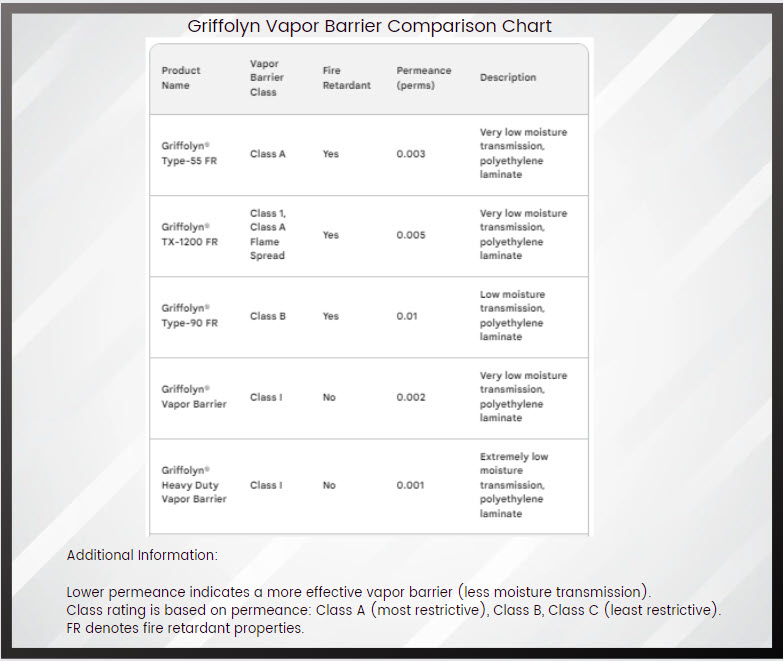
Vapor barrier comparison chart

Documentation to Ensure You Get the Correct Liner

Here's what you can do to ensure you get the right crawl space liner:

  • Manufacturer Specifications: Request product specifications from the crawl space liner manufacturer. Look for the perm rating to determine the vapor barrier class.
  • Building Codes and Local Requirements: Consult with your local building department or a qualified contractor to understand any specific vapor barrier requirements for your area. Building codes may mandate a certain class of vapor barrier for crawl spaces.
  • Professional Recommendations: Consider seeking advice from a crawl space encapsulation professional. They can assess your specific needs and recommend the most appropriate vapor barrier class for your crawl space.

Facing crawl space moisture problems?

Global Plastic Sheeting is your one-stop shop for solutions! We offer a wide variety of crawl space liners designed for both homeowners and professional installers. Each liner comes with comprehensive documentation verifying its perm rating and vapor barrier classification. This ensures you choose the right level of moisture control for your specific needs, whether you're a DIY enthusiast or working with a contractor. Breathe easy knowing your crawl space is protected with a high-quality, code-compliant liner from Global Plastic Sheeting.

Please visit the Crawl Space Liner Page here

Tap For Pricing & Info (619) 448-4439

Tags: Stop Crawl Space Moisture

How Will You Know If Your Crawl Space Liner Fails?

Posted by Global Plastic Sheeting on Mon, Mar 18, 2024 @ 02:16

Choosing the Right Crawl Space Liner: A Comprehensive Guide

Crawl Space Vapor Barrier  Liner

Crawl space liners play a crucial role in maintaining the integrity and durability of your home's foundation. When it comes to selecting the appropriate liner thickness, factors such as moisture levels, environmental conditions, and local building codes need consideration. In this guide, we'll explore how to decide between a 10 mil and a 20 mil crawl space liner, understand the significance of vapor barrier classes, and what to do if the liner doesn't hold up.

Choosing Between 10 Mil and 20 Mil Liners:

  1. Moisture Control: If your crawl space is prone to high moisture levels or water intrusion, a thicker liner such as a 20 mil may offer better protection against moisture penetration.
  2. Durability: Thicker liners generally offer increased durability and resistance to tears, punctures, and other damage. If your crawl space is subject to heavy traffic or potential impacts, a 20 mil liner may be more suitable.
  3. Budget: Consider your budget constraints when selecting a liner thickness. While 20 mil liners provide enhanced durability, they typically come at a higher cost compared to 10 mil liners.

Significance of Vapor Barrier Classes: In accordance with the International Residential Code (IRC), vapor barriers are classified into three categories based on their permeability:

  1. Class I Vapor Barriers: These barriers have a perm rating of 0.1 or less and offer the highest level of moisture resistance. They are typically composed of non-porous materials such as polyethylene and provide effective moisture control in crawl spaces with high humidity levels.
  2. Class II Vapor Barriers: With a perm rating between 0.1 and 1.0, Class II barriers offer moderate moisture resistance. They are suitable for crawl spaces with moderate humidity levels and can help prevent moisture-related issues such as mold and mildew growth.
  3. Class III Vapor Barriers: These barriers have a perm rating between 1.0 and 10.0 and provide minimal moisture resistance. They are often used in climates with low humidity levels where moisture control is less critical.

What Happens if the Liner Does Not Hold Up? How Will You Know?

  1. Visible Damage: Signs of liner failure may include tears, punctures, or deterioration visible upon inspection.
  2. Increased Moisture Levels: If moisture levels in the crawl space rise despite the presence of the liner, it may indicate that the liner is not effectively preventing moisture intrusion.
  3. Mold and Mildew Growth: Excessive moisture in the crawl space can lead to mold and mildew growth on the liner surface and other structural components.
  4. Odors and Musty Smells: A musty odor emanating from the crawl space may indicate moisture-related issues caused by liner failure.

In conclusion, when choosing between a 10 mil and a 20 mil crawl space liner, consider factors such as moisture control, durability, and budget. Additionally, understanding vapor barrier classes defined by the IRC can help ensure compliance with building codes and standards. Regular inspection and maintenance of the crawl space liner are essential to identify any signs of damage or failure early and address them promptly.

Please visit the Crawl Space Vapor Barrier page here.

Tap For Pricing & Info (619) 448-4439


Tags: Crawl Space Liner Failer

UV-Resistant Plastic Sheeting for Life Raft Storage

Posted by Global Plastic Sheeting on Thu, Mar 14, 2024 @ 09:30

Ensuring Durability at Sea: UV-Resistant Plastic Sheeting for Life Raft Storage

Life raft storage demands robust protection against harsh marine conditions. Explore UV-resistant plastic sheeting options from Global Plastic Sheeting to safeguard life rafts effectively.

The Importance of UV-Resistant Plastic Sheeting for Life Raft Storage:

Life rafts are critical safety equipment onboard vessels, requiring durable protection from UV radiation, saltwater, and harsh weather elements. UV-resistant plastic sheeting ensures the longevity and reliability of life raft storage solutions.

Options from Global Plastic Sheeting:

  •  Ultra Scrim SR 6: With superior strength and UV resistance, Ultra Scrim SR 6 offers reliable protection against UV degradation and abrasion, ensuring long-term durability for life raft storage.
  • Ultra Black FR 8 Mil Plastic Sheeting: Engineered with fire-retardant properties and UV resistance, Ultra Black FR 8 Mil provides enhanced safety and durability for life raft storage in marine environments.
  • Poly Scrim 8 LD: Designed for strength and longevity, Poly Scrim 8 LD features UV inhibitors that protect against UV damage, making it suitable for extended life raft storage.
  • Heat Shrink Wrap (Anti-Static, FR with UV): Global Plastic Sheeting offers heat shrink wrap options with anti-static properties and UV resistance, providing comprehensive protection for life rafts stored in challenging marine conditions.
Key Benefits of UV-Resistant Plastic Sheeting:
  • UV Resistance: Protects life rafts from UV degradation, preserving their structural integrity.
  • Durability: Withstands exposure to saltwater, moisture, and extreme temperatures, ensuring long-term storage reliability.
  • Fire Retardant Properties: Enhances safety by reducing the risk of fire incidents onboard vessels.
  • Anti-Static Features: Prevents static buildup, minimizing the risk of electrostatic discharge in storage areas.
  • Ease of Installation: Designed for easy installation and removal, facilitating efficient life raft deployment during emergencies.


Conclusion: Investing in UV-resistant plastic sheeting is essential for safeguarding life rafts in marine environments. Global Plastic Sheeting offers a range of options tailored to meet the specific requirements of life raft storage, ensuring durability, safety, and peace of mind at sea. Choose the right UV-resistant plastic sheeting solution to protect your life rafts and prioritize safety onboard vessels.

Please visit the UV Resisitant product page here to learn more.

Tap For Pricing & Info (619) 448-4439

Tags: Life Raft Protection, UV Resistant Sheeting, Marine Safety

DeckProtek FR: Your Solution for Welding Safety in Shipbuilding Projects"

Posted by Global Plastic Sheeting on Wed, Mar 13, 2024 @ 10:03

Ensuring Safety at Sea: Flame Retardant Deck Protection for Shipbuilding Projects

Introduction: Shipbuilding demands safety, especially during welding. Discover the importance of flame retardant deck protection, with DeckProtek from Global Plastic Sheeting as a standout solution.

  1. The Significance of Flame Retardant Deck Protection: Shipbuilding's welding activities pose fire risks, demanding protection against sparks and heat. Flame retardant plastic sheeting ensures a safe work environment.

  2. DeckProtek from Global Plastic Sheeting: DeckProtek offers superior protection, meeting industry safety standards for shipbuilding. Its flame retardant properties make it ideal for welding projects on deck.

  3. Key Features of DeckProtek FR:

  • Fire Retardant: Ensures high-level fire protection, meeting essential safety requirements.
  • Stocked in 14 and 30 mil: Choose the ideal thickness for immediate use.
  • Battleship Gray Color: Resistant to dirt, maintaining a clean, professional appearance.
  • Easy Installation and Removal: Saves time and money with effortless application and removal.
  • Cost-Effective: Replaces expensive alternatives like fire-retardant plywood, reducing project costs.
  • Made in the USA: Manufactured in an ISO 9001-2000 certified facility, ensuring quality.
  • Recyclable: Environmentally friendly, contributing to sustainable practices.
  1. Ensuring Compliance with Safety Regulations: DeckProtek FR ensures compliance with strict safety regulations, prioritizing worker well-being and industry requirements.

  2. Conclusion: DeckProtek FR from Global Plastic Sheeting offers reliable flame retardant deck protection, essential for shipbuilding safety. Prioritize safety and efficiency with this superior solution for welding projects at sea.

    Visit the product page here


    Tap For Pricing & Info (619) 448-4439

Tags: Welding Safety, Deck Protection, Shipbuilding

Fire Retardant Film for Engine Cowling Purge

Posted by Global Plastic Sheeting on Wed, Mar 13, 2024 @ 09:53

Fire Retardant Film for Engine Cowling Purge: Ensuring Aircraft Safety During Maintenance

Aerospace Cowling Purges

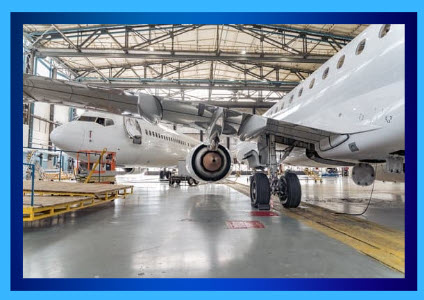
Engine cowling purges are crucial for maintaining proper engine operation in aircraft, but they pose fire risks. Learn how fire-retardant films mitigate these risks.

Material Considerations:

  • Fire Retardancy: Look for films meeting industry standards like FAR 25.853 (a) and certifications like ASTM E-84 Class A or NFPA 701.
  • Temperature Resistance: Ensure the film withstands high engine temperatures without degrading.
  • Durability: Choose films resistant to tears, punctures, and abrasions during handling.
  • Weight: Consider the film's weight to avoid impacting aircraft performance.
  • Transparency: Opt for clear films for visibility during the purge process.

Product Examples:

  • Polyimide Films: Offer excellent fire resistance and mechanical properties but may be costly. (Ask us)
  • Flame-Retardant Polyethylene (PE) Films: Provide cost-effective solutions with good fire retardancy and durability.

Additional Considerations:

  • Attachment Method: Ensure secure attachment without damaging the aircraft.
  • Ease of Use: Consider installation, removal, and disposal ease.
  • Environmental Regulations: Ensure compliance with disposal methods and environmental regulations.

Recommendations:

  • Consult aircraft maintenance manuals and regulatory guidelines.
  • Contact material suppliers for detailed specifications and fire certifications. Email lee@globalplasticsheeting.com
  • Test different film options to find the best fit for your application.

Note: This overview serves as a guide. Always consult with qualified professionals and adhere to regulatory requirements for specific applications.

Please visit the aerospace product page here

Tap For Pricing & Info (619) 448-4439

Tags: Aerospace maintenance, Engine Cowling Purges

Harnessing the Power of LLDPE: Safeguarding Our Environment

Posted by Global Plastic Sheeting on Tue, Mar 12, 2024 @ 03:09

How LLDPE Liners Preserve Our Planet's Vital Resources

GPS LL Textured LLDPE- Linear Low Density Polyethylene-jpg-1

In the realm of environmental protection, Linear Low-Density Polyethylene (LLDPE) emerges as a silent guardian, playing a pivotal role in safeguarding our ecosystems. Beyond its conventional applications, LLDPE is a versatile solution that stands as a beacon of sustainability and resilience. Let's embark on a journey to explore eight remarkable ways LLDPE champions environmental preservation:

  1. Fortifying Coal Ash Impoundments and Reserve Pits: Delving deep into the earth's crust, LLDPE liners form an impenetrable shield, staunchly guarding against the insidious creep of harmful contaminants into the soil and groundwater.

  2. Embracing Frac Pits and Flowback Pits: In the tumultuous realm of hydraulic fracturing, LLDPE liners stand as stalwart sentinels, cradling vast reservoirs of water with unwavering resolve. They stand as bulwarks against the tide, shielding nearby water sources from the tempestuous currents of contamination.

  3. Nurturing Retention Ponds and Fresh Water Pits: As custodians of rainwater and stormwater runoff, LLDPE liners enfold these aquatic sanctuaries, preserving their pristine purity and safeguarding the delicate balance of our freshwater ecosystems.

  4. Enveloping Under Rig Liners: Beneath the towering edifice of drilling rigs, LLDPE liners unfurl like protective veils, capturing errant fluids and cradling them in their resilient embrace, shielding the earth from the ravages of environmental harm.

  5. Embracing the Concept of Secondary Containment: In the realm of containment, LLDPE sheets stand as vigilant guardians, standing ready to intercept and detain any errant spills or leaks, preventing them from tarnishing the sanctity of our environment.

  6. Preserving Aboveground Storage Tanks (ASTs): Within the confines of storage tanks, LLDPE liners weave a tapestry of protection, ensconcing precious fuels and chemicals in a cocoon of impermeable security, shielding them from the grasp of contamination.

But what makes LLDPE the unsung hero of environmental preservation?

Let us uncover the mystique of this remarkable material:

Resilient Durability: LLDPE stands as a paragon of resilience, steadfastly resisting tears, punctures, and the corrosive touch of harsh chemicals, ensuring long-lasting protection.

Unyielding Impermeability: With an unparalleled ability to ward off the advances of liquid intrusion, LLDPE forms an impermeable barrier, steadfastly guarding against the incursion of contaminants.

Practical Cost-effectiveness: LLDPE emerges as a beacon of practicality, offering a cost-effective solution for large-scale projects without compromising on performance or quality.

Supple Flexibility: With a graceful flexibility, LLDPE molds itself to the contours of any surface, ensuring a snug fit and optimal protection in containment areas of varying terrain.

Weather-beaten Resilience: Enduring the harshest of elements with stoic resolve, LLDPE withstands the ravages of time, including the scorching blaze of UV rays and the icy grip of extreme temperatures.

In harnessing the unparalleled capabilities of LLDPE, we embark on a noble quest to preserve the sanctity of our environment, safeguarding the delicate balance of nature for generations to come.

Please visit the LLDPE product page here

Tap For Pricing & Info (619) 448-4439

Tags: LLDPE liners, Containment solutions