Plastic Sheeting Blog. Click on Home for all our product categories...

Global Plastic Sheeting

Recent Posts

Debunking Misconceptions About Crawl Space Liners

Posted by Global Plastic Sheeting on Thu, Dec 12, 2024 @ 10:05

Why Getting Crawl Space Liners Wrong Can Be a Costly Mistake

Crawl space liners are a vital component in protecting your home from moisture, mold, and structural damage. Unfortunately, there are many misconceptions about their selection and installation. Believing these myths can lead to costly mistakes that compromise the safety and integrity of your home. Let’s set the record straight.


Misconception 1: Any Plastic Sheeting Will Do

The Myth: You can use any plastic sheeting, such as painter’s plastic or recycled plastic, as a crawl space liner.
The Truth: Generic plastic sheeting is not designed to withstand the demands of a crawl space. High-quality crawl space liners are made of virgin plastic or engineered materials, ensuring durability and consistency. They are tested for permeability, tensile strength, and puncture resistance, while generic plastics are not.


Misconception 2: Thicker Means Better

The Myth: The thicker the liner, the better the performance.
The Truth: Thickness is just one factor to consider. A thicker liner can still fail if it lacks proper tensile strength and puncture resistance. Classifications such as Class A, B, or C Vapor Retarders provide a better measure of performance, as they are based on multiple factors, including permeability and durability.


Misconception 3: Vapor Barriers and Moisture Barriers Are the Same

The Myth: A vapor barrier and a moisture barrier are interchangeable terms.
The Truth: While they are related, vapor barriers are designed to block water vapor, while moisture barriers can block both liquid water and vapor. For crawl spaces, a Class I Vapor Retarder is essential to ensure minimal water vapor permeation.


Misconception 4: Installation Is Simple and Foolproof

The Myth: Anyone can install a crawl space liner without professional guidance.
The Truth: Improper installation can lead to punctures, gaps, and inefficiencies, rendering the liner ineffective. Specialized products like GPS Crawl Space Liners are designed for ease of installation, but guidance from experts ensures the job is done right the first time.


Misconception 5: Any Retailer Knows What You Need

The Myth: Big-box store employees are knowledgeable about crawl space liners.
The Truth: While big-box stores offer convenience, their staff often lack the specialized knowledge required to recommend the right vapor barrier. GPS plastic sheeting experts have the expertise to guide you to the best product for your specific needs, ensuring you avoid costly mistakes.


Why Choose GPS for Your Crawl Space Liner Needs?

When it comes to crawl space liners, choosing the wrong product or installing it incorrectly can lead to expensive repairs. GPS has decades of experience in plastic sheeting and vapor barrier solutions. Their team knows far more than general retail employees and can provide tailored advice to ensure your crawl space liner performs as expected.

Don’t gamble with your home’s safety. Call GPS for expert guidance and products you can trust. The right liner, installed correctly, can save you thousands in the long run.

Please visit the Crawl Space Liner's  page Here

Tags: Crawlspacelinermyths

What Are Crawl Space Vapor Barriers and Why Are They Essential?

Posted by Global Plastic Sheeting on Thu, Dec 12, 2024 @ 09:33

Crawl Space Vapor Barriers: Protect Your Home from Moisture

Choosing the Right Crawl Space Vapor Barrier Unraveling the Depths of 6 Mil vs. 10 Mil vs. 20 Mil

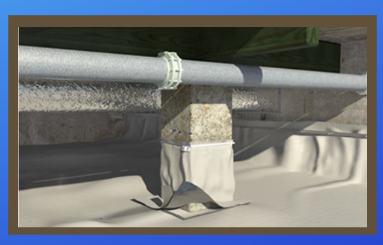
Crawl space vapor barriers are specialized plastic membranes designed to prevent water vapor from infiltrating through the ground and into your home. These barriers are crucial for maintaining the structural integrity of your home, improving energy efficiency, and reducing the risks of mold and moisture-related damage.

Key Factors to Consider When Choosing a Crawl Space Vapor Barrier

When selecting a crawl space vapor barrier, several factors go beyond just thickness. Here are the critical considerations:

1. Permeability

  • Permeability measures how much water vapor can pass through the barrier.
  • For optimal moisture protection, choose a Class I Vapor Retarder, which allows a maximum of 0.1 perms of moisture to pass.

2. Material Quality

  • High-quality barriers are made from virgin plastic (also called engineered plastic), ensuring consistency and durability.
  • Avoid recycled plastics, as they often contain impurities and have inconsistent performance.

3. Tensile Strength

  • Tensile strength determines how well the barrier resists being stretched or torn during installation.
  • This is tested by simulating stress loads that occur in real-world applications, ensuring the liner remains intact.

4. Puncture Resistance

  • Puncture resistance measures how well the material withstands impacts from blunt objects, like tools or debris during installation.
  • Strong puncture resistance ensures the barrier won’t be compromised by accidental damage.

5. Classification: Class A, B, or C

These classifications are based on the barrier’s permeability, tensile strength, and puncture resistance:

  • Class A: Maximum of 0.1 perms, minimum 45 lb/in tensile strength, and 2200 grams puncture resistance.
  • Class B: Maximum of 0.1 perms, minimum 30 lb/in tensile strength, and 1700 grams puncture resistance.
  • Class C: Maximum of 0.1 perms, minimum 13.6 lb/in tensile strength, and 475 grams puncture resistance.

Is Thickness the Only Factor?

Absolutely not! While thickness is often marketed as the primary feature of crawl space vapor barriers, it’s only part of the equation. A thicker liner doesn’t guarantee performance if the material lacks proper tensile strength or puncture resistance. Always prioritize permeability, tensile strength, and puncture resistance over thickness alone.


Additional Benefits of Crawl Space Vapor Barriers

  1. Energy Efficiency: Properly installed vapor barriers reduce moisture infiltration, improving insulation efficiency and lowering energy costs.
  2. Mold Prevention: By blocking moisture, vapor barriers help prevent mold growth and maintain healthy air quality.
  3. Structural Integrity: Protects wooden beams and supports from rotting due to moisture exposure.

How to Choose the Right Crawl Space Vapor Barrier

  • Look for Class I Vapor Retarders for maximum moisture protection.
  • Ensure the product meets or exceeds standards for tensile strength and puncture resistance.
  • Use high-quality virgin plastic to ensure durability and performance over time.
  • Evaluate your specific crawl space needs based on size, moisture levels, and potential hazards during installation.

Conclusion

Choosing the right crawl space vapor barrier is vital for protecting your home from moisture-related damage. It’s not just about thickness—it’s about selecting a product with the right balance of permeability, tensile strength, and puncture resistance to ensure lasting performance.

Global Plastic Sheeting is here to help unpack these liners. Just call, (619) 448-4439 for help.

Please visit the Crawl Space Barrier Product Page HERE!!!


Tags: Crawlspce barriers necessary

Do You Really Need a Vapor Retarder?

Posted by Global Plastic Sheeting on Wed, Dec 11, 2024 @ 09:43

Is There a Way Around Vapor Retarders? Pros, Cons, and Alternatives


A vapor retarder, often a critical component in construction, prevents moisture from seeping through walls, floors, or ceilings. Skipping a vapor retarder might seem like an option to reduce costs or complexity, but it’s essential to understand its role and the potential consequences of leaving it out.


What Is a Vapor Retarder and Why Is It Important?

A vapor retarder limits the transmission of water vapor into building materials, protecting structures from:

  • Moisture Damage: Prevents mold, mildew, and rot.
  • Structural Integrity Issues: Stops wood and other materials from warping or deteriorating.
  • Energy Efficiency Loss: Reduces the impact of unwanted humidity on insulation performance.

In most cases, vapor retarders are installed on the warm side of the insulation to prevent moisture from condensing inside the walls or ceilings.


Can You Skip a Vapor Retarder? It Depends

The decision to forgo a vapor retarder hinges on several factors, including climate, building materials, and the specific application. Let’s explore scenarios where a vapor retarder may or may not be necessary.

1. Climate Conditions

  • High-Humidity Regions: In areas with significant humidity, skipping a vapor retarder can lead to moisture buildup, mold, and damage.
  • Dry Climates: In arid regions, vapor retarders might not be as critical, but other moisture control methods should still be considered.

2. Building Materials and Design

  • Vapor-Permeable Materials: If your structure uses materials that naturally allow vapor to escape (e.g., certain types of sheathing or insulation), you might minimize the need for a vapor retarder.
  • Tight Building Envelopes: Modern, airtight designs often rely on vapor retarders as part of the system to manage indoor air quality and moisture.

3. Specific Applications

  • Crawl Spaces and Basements: These areas are prone to high moisture levels, making vapor retarders essential to prevent damage and maintain air quality.
  • Attics and Roofs: Proper ventilation can sometimes reduce the need for a vapor retarder, but this depends on insulation and climate.

Alternatives to Vapor Retarders

In some cases, alternative solutions can be used to control moisture:

  • Vapor Barrier Paint: A specially formulated coating that reduces water vapor transmission.
  • Improved Ventilation: Ensuring proper airflow can help manage moisture levels in certain structures.
  • Dehumidifiers: In conditioned spaces, these devices can help regulate humidity without relying on a vapor retarder.

When You Should Never Skip a Vapor Retarder

Certain scenarios make vapor retarders indispensable:

  • Cold Climates with High Indoor Humidity: Without a vapor retarder, warm, moist air can condense inside walls during winter, causing structural damage.
  • Concrete Floors on Grade: Vapor retarders under concrete slabs prevent ground moisture from penetrating flooring materials.
  • Greenhouses or High-Moisture Environments: These applications demand strict moisture control to avoid condensation and degradation.

The Bottom Line

While there are situations where a vapor retarder may not be strictly necessary, it is often a critical component in maintaining the durability, efficiency, and safety of your building. Assessing climate, building materials, and intended use will help determine whether you can skip a vapor retarder or if it’s an essential part of your construction project.

When in doubt, consult a building professional to ensure your design prioritizes long-term performance and safety.

Tags: AreVaporBarriersNeeded?

Protecting Synthetic Turf: The Key to Effective Drainage

Posted by Global Plastic Sheeting on Tue, Dec 10, 2024 @ 02:37

Maximize Synthetic Turf Drainage with These Proven Solutions

The image depicts a vibrant synthetic turf field under a clear blue sky, showcasing its lush green surface-1

When rain hits your synthetic turf field, efficient drainage becomes a critical factor. Standing water can halt gameplay, damage the turf, and compromise safety. With the right subsurface drainage products, you can ensure water flows seamlessly, keeping your field game-ready in any weather.

Here’s a look at three exceptional products designed to optimize synthetic turf drainage and provide additional benefits for durability and player safety.


Enkaturf Drain 9320: The Lightweight, Flexible Drainage Solution

What Makes It Unique?

Enkaturf Drain 9320 is a 6-inch-wide strip drain with a nylon core wrapped in nonwoven heat-bonded geotextile fabric. It eliminates the need for perforated drainage pipes, making installation simpler and more efficient.

  • Flexible and lightweight for easy installation
  • Resilient core withstands heavy construction vehicles without cracking
  • Conforms to irregular surfaces for full coverage
  • Long rolls reduce seams and installation costs

Why Choose Enkaturf Drain 9320?

  • Thin profile minimizes turf disruption during installation
  • Ensures continuous water flow, even under high loads
  • Durable construction for long-term performance

Enkamat Plus 7420: Durable, Reusable, and Player-Friendly

What Sets It Apart?

With its 95% open nylon core structure, Enkamat Plus 7420 offers superior drainage while protecting the playing surface. It also provides a tough, walkable layer for players.

  • Class A Flame Spread rating for added safety
  • Reusable design for cost efficiency
  • Protects natural turf during heavy use

Why Select Enkamat Plus 7420?

  • Water flows through to prevent surface pooling
  • Creates airspace between turf and foot traffic
  • Rolls out and stores easily

Enkadrain ShockPad: Combining Drainage with Safety

What Makes It Special?

Enkadrain ShockPad is a drainage layer and shock-absorbing pad in one. Designed with player safety in mind, it provides excellent impact absorption while ensuring efficient drainage.

  • Proprietary polypropylene blend enhances shock absorption and energy restitution
  • Reduces infill amounts for cost savings
  • Pyramid-patterned design maintains flexibility and high flow rates

Why Select Enkadrain ShockPad?

  • Doubles as a drainage and safety layer
  • Second fabric layer eliminates the need for a separate filter fabric
  • High flow rates ensure effective drainage even under heavy loads

Choosing the Right Solution for Your Synthetic Turf

Each of these products—Enkaturf Drain 9320, Enkamat Plus 7420, and Enkadrain ShockPad—is designed to optimize synthetic turf performance, providing excellent drainage, durability, and safety. Whether you’re managing a sports field, playground, or recreational area, these solutions ensure that your turf stays in top condition and ready for action.


Don’t let rain ruin your game! Explore these innovative drainage products to protect your synthetic turf and keep your field game-ready in any weather.

Tags: Synthetic turf Drainage

Celebrate the New Year with Spills and Thrills, Not Stains and Bills!

Posted by Global Plastic Sheeting on Tue, Dec 10, 2024 @ 02:30

As we welcome the New Year, let’s toast to fewer worries about red wine stains, barbecue smudges, or artistic disasters during your celebrations. Instead of searching "how to remove red wine stains," plan ahead by using GPS Carpet Plastic to protect your carpet before the party begins.


Why Choose GPS Carpet Plastic?

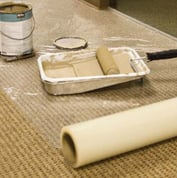
When it comes to protecting your flooring from stains and damage, GPS Carpet Plastic is the unsung hero. Unlike flimsy drop cloths or generic plastic sheets, this self-adhesive, tough film adheres securely to your carpet, creating a barrier that won’t budge until you’re ready to remove it.

Here’s why GPS Carpet Plastic is a party must-have:

  • Tough Enough for Stilettos: Yes, even your neighbor’s 5-inch heels won’t puncture this durable film.
  • Kid-Proof and Mess-Friendly: Hosting a children’s painting party? Roll it out and relax!
  • Perfect for Parties: Keep Aunt Millie’s wine spill on the plastic, not on your Berber carpet.

How GPS Carpet Plastic Works

The magic lies in its state-of-the-art adhesive, designed to:

  • Stick firmly without damaging carpet fibers.
  • Prevent discoloration, even on delicate wool or Berber carpets.
  • Handle high-traffic areas and multiple uses with ease.

5 Tips to Install GPS Carpet Plastic Like a Pro

  1. Avoid Stretching: Roll it out carefully, adhering it as you go. Stretching can cause it to lift over time.
  2. Ensure Dry Carpeting: If recently cleaned, let it fully dry before application.
  3. Be Cautious with Wool: Wool carpets with high oil content may not adhere well. Test a small section first.
  4. Apply Pressure: This pressure-sensitive adhesive needs a firm touch to get a good grip.
  5. Mind the Temperature: Ensure the room is warm, as colder temps can reduce adhesive effectiveness.

The Smart Choice for Surface Protection

Protecting your carpet isn’t just about cleanliness—it’s about preserving your investment. GPS Carpet Plastic simplifies clean-up, reduces stress, and lets you focus on hosting the perfect event. Whether it’s red wine, BBQ sauce, or paint spills, this product has you covered.


Start Your New Year with Confidence

Say goodbye to carpet worries and hello to worry-free celebrations! Make GPS Carpet Plastic your go-to surface protection for parties, renovations, or any event where accidents might happen.

Cheers to a happy (and mess-free) New Year! 🥂

Please visit the Carpet Plastic Protection Films Product page here.

Tags: New Years Eve Carpet Protection

Comparing Polyken 225 FR, 820 Megagrip, and 268 Black FR Tapes

Posted by Global Plastic Sheeting on Mon, Dec 09, 2024 @ 09:32

Fire Retardant Tapes

When it comes to flame-retardant (FR) tapes, Polyken offers industry-leading solutions that cater to diverse applications. Selecting the right tape requires understanding their unique properties, strengths, and best-use cases. Here, we break down the differences between Polyken 225 FR, Polyken 820 Megagrip, and Polyken 268 Black FR to help you make the right choice for your project.


Polyken 225 FR: Heavy-Duty Flame Retardance

Key Features

Polyken 225 FR is a robust, high-performance tape designed for demanding applications where heat resistance and durability are critical.

Ideal For:

  • High-temperature, high-stress environments
  • Tasks requiring exceptional adhesion

Common Uses:

  • Sealing and insulating ductwork
  • Securing fiberglass insulation
  • Bundling and wrapping wire harnesses
  • Cargo pit sealing in aircraft

Pros:

  • Exceptional durability and adhesion
  • Highly resistant to heat and flame
  • Performs reliably in extreme environments

Cons:

  • Can be challenging to remove, potentially causing surface damage
  • May leave adhesive residue

Polyken 820 Megagrip: Versatility Meets Removability

Key Features

Polyken 820 Megagrip balances strong adhesion with ease of removal, making it ideal for medium-stress applications.

Ideal For:

  • Applications requiring flexibility and removability

Common Uses:

  • Securing electrical components
  • Bundling wires and cables
  • Sealing gaps and seams

Pros:

  • Strong but removable adhesive
  • Conforms well to irregular surfaces
  • Resists heat and chemicals

Cons:

  • Less durable than Polyken 225 FR
  • Not ideal for high-temperature or high-stress applications

Polyken 268 Black FR: Lightweight and Easy to Use

Key Features

Polyken 268 Black FR is perfect for low-stress tasks, offering a thin, conformable design and easy removal.

Ideal For:

  • Applications needing minimal stress and easy handling

Common Uses:

  • Wrapping electrical wiring
  • Securing small components
  • Labeling and identification

Pros:

  • Simple application and removal
  • Thin, low-profile design
  • Good heat and chemical resistance

Cons:

  • Not suitable for heavy-duty applications
  • Lower strength compared to 225 FR and 820 Megagrip

When to Choose Which Tape

Understanding your project’s specific requirements is essential when selecting the right Polyken FR tape.

  • High-Temperature, High-Stress Applications: Choose Polyken 225 FR for maximum strength and flame resistance.
  • Medium-Stress Applications Requiring Removal: Opt for Polyken 820 Megagrip to balance adhesion and removability.
  • Low-Stress Applications Needing Ease of Use: Select Polyken 268 Black FR for lightweight tasks and quick removal.

Conclusion

Polyken’s range of flame-retardant tapes ensures a solution for every need, from industrial-strength tasks to light-duty applications. Carefully assess your project’s demands to choose the right tape and achieve optimal safety and performance.

Please visit the Tapes Product page here:


Tags: Megatape Water proof

Protecting the Environment:The Role of Plastic Liners in Soil Containment

Posted by Global Plastic Sheeting on Wed, Dec 04, 2024 @ 09:52

Engineered Plastic Sheeting for Soil Containment and Groundwater Solutions

Plastic Liners and Barriers in Soil Containment and Groundwater Remediation. Call 760 597 9298

Plastic Liners and Barriers in Soil Containment and Groundwater Remediation

Environmental sustainability is a growing priority across industries, and addressing soil and groundwater contamination is a critical component of this effort. Plastic liners and barriers play an essential role in these projects, providing durable, cost-effective, and environmentally responsible solutions for soil containment and groundwater remediation. From large-scale industrial cleanups to municipal waste management, engineered plastic sheeting has proven indispensable for containing pollutants and protecting natural resources.


What Are Soil Containment and Groundwater Remediation Projects?

Soil containment and groundwater remediation are environmental management processes aimed at addressing contamination caused by industrial waste, chemical spills, or hazardous materials. These projects typically involve isolating contaminated areas, preventing the spread of pollutants, and treating or restoring affected soil and water resources.

  • Soil Containment: Prevents the migration of contaminants into surrounding areas by sealing off polluted soil.
  • Groundwater Remediation: Focuses on cleaning or isolating polluted water to protect drinking water sources and ecosystems.

How Plastic Liners and Barriers Are Used

Engineered plastic sheeting is a versatile material used in various applications to facilitate soil containment and groundwater remediation:

1. Landfill Liners

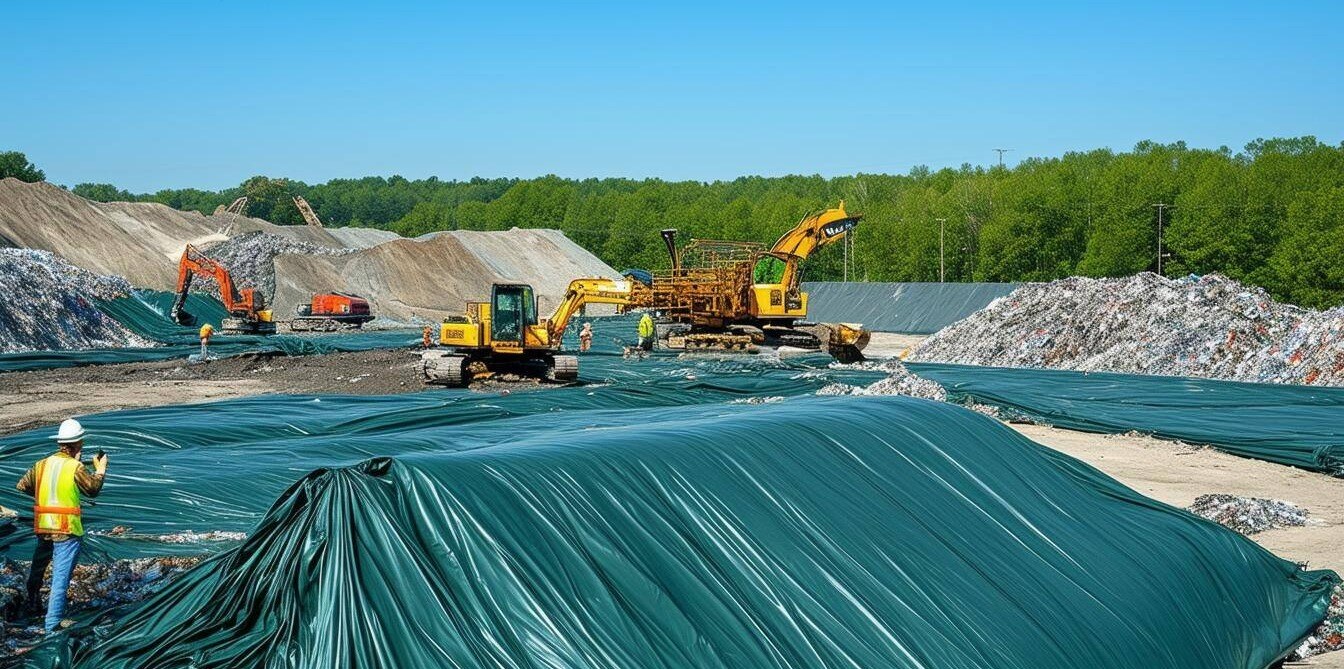
  • Usage: Plastic liners act as the bottom barrier in landfills, preventing leachate (contaminated liquid) from seeping into groundwater.
  • Example: A municipal landfill in Arizona installed HDPE liners to protect surrounding aquifers from hazardous waste.

2. Geomembranes for Containment

  • Usage: High-density polyethylene (HDPE) or linear low-density polyethylene (LLDPE) geomembranes are placed over contaminated soil or water to isolate pollutants.
  • Example: A chemical manufacturing facility in Texas used a double-layered geomembrane system to contain a spill, avoiding contamination of nearby rivers.

3. Slurry Walls and Vertical Barriers

  • Usage: Plastic barriers are installed vertically in trenches to block contaminant migration through groundwater.
  • Example: During a cleanup project in Michigan, PVC liners were used in slurry walls to control the spread of toxic chemicals.

4. Pond Liners in Treatment Lagoons

  • Usage: Plastic liners are used in wastewater treatment ponds to contain contaminated water during remediation.
  • Example: A gold mining site in Nevada lined its treatment ponds with reinforced plastic sheeting to contain runoff and heavy metals.

5. Capping Contaminated Sites

  • Usage: Plastic sheeting is used to cap off contaminated soil, preventing rainwater infiltration and subsequent leachate formation.
  • Example: A decommissioned industrial site in Pennsylvania employed a multi-layer plastic cap to secure pollutants while restoration efforts progressed.

Why Plastic Sheeting is Helpful in Remediation Projects

Plastic liners and barriers offer several advantages that make them essential in soil and groundwater remediation:

1. Durability and Longevity

  • Engineered plastic sheeting resists tears, punctures, and UV degradation, ensuring long-lasting performance in demanding environments.

2. Impermeability

  • HDPE and LLDPE liners are highly impermeable, effectively preventing the migration of contaminants.

3. Cost-Effectiveness

  • Plastic sheeting is a more affordable alternative to traditional materials like concrete or steel, offering significant savings in large-scale projects.

4. Environmental Protection

  • By containing pollutants, plastic barriers protect ecosystems, groundwater supplies, and public health.

5. Flexibility

  • Available in various thicknesses and custom sizes, plastic sheeting can be tailored to meet project-specific needs.

Why Engineered Plastic is Important

Not all plastic sheeting is created equal. Engineered plastic sheeting is specifically designed for environmental and industrial applications, offering superior performance and reliability:

1. Material Composition

  • High-quality resins, such as HDPE, PVC, and reinforced materials, ensure strength and chemical resistance.

2. Certifications

  • Many engineered plastics meet stringent industry standards, such as ASTM and EPA guidelines, guaranteeing safety and compliance.

3. Customization

  • Engineered plastic sheeting can be fabricated with specific properties, such as fire retardancy, UV resistance, and multilayer structures.

4. Reduced Environmental Impact

  • Using durable, reliable materials minimizes the need for replacements, reducing waste and environmental disruption.

Examples of Projects That Rely on Plastic Sheeting

1. Industrial Waste Cleanup

  • A major electronics manufacturer in California used HDPE liners to contain heavy metals during the remediation of a production facility.

2. Mining Site Rehabilitation

  • A coal mining company in West Virginia employed plastic liners in sediment ponds to control runoff and prevent toxic discharges into nearby streams.

3. Agriculture Waste Management

  • Farms in Iowa installed plastic barriers to contain animal waste lagoons, protecting soil and water from nitrate contamination.

4. Oil Spill Containment

  • During an oil spill in Louisiana, plastic sheeting was deployed to create berms that isolated the spill, preventing further groundwater contamination.

How to Choose the Right Plastic Sheeting for Your Project

When selecting plastic liners and barriers for soil containment and groundwater remediation, consider these factors:

  1. Material Type:

    • HDPE for chemical resistance and durability.
    • PVC for flexibility in complex installations.
  2. Thickness:

    • Thicker sheets provide greater strength for heavy-duty applications.
  3. Reinforcement:

    • Choose reinforced or multilayer sheeting for added durability in high-stress environments.
  4. Environmental Considerations:

    • UV-resistant and fire-retardant options for outdoor applications.
  5. Installation Requirements:

    • Evaluate ease of installation, including compatibility with trenching and welding techniques.

At Global Plastic Sheeting, we specialize in engineered plastic liners and barriers designed for soil containment and groundwater remediation projects. With a wide range of high-quality options, we provide solutions that meet the demands of even the most challenging environmental applications. Contact us today to find the perfect plastic sheeting for your project and take the first step toward effective environmental management.


This comprehensive guide showcases the vital role plastic sheeting plays in environmental protection, highlighting its versatility, cost-effectiveness, and reliability. Ready to explore your options? Get in touch with us today!


Tags: Containment Products

Weatherproof Your Winter Construction Projects with Plastic Sheeting Temporary Enclosures

Posted by Global Plastic Sheeting on Wed, Dec 04, 2024 @ 09:37

The Ultimate Guide to Using Plastic Sheeting for Winter Construction Enclosures

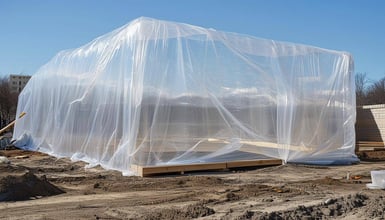
The image depicts a construction site enveloped in a temporary enclosure made of clear plastic sheeting

Winter can be a challenging time for construction projects. Cold temperatures, snow, rain, and wind often cause delays and increase risks for workers and materials. However, temporary enclosures made from engineered plastic sheeting offer a practical, cost-effective solution to keep construction on track, even in the harshest conditions. From safeguarding equipment to creating controlled work environments, plastic sheeting transforms winter construction challenges into manageable tasks.


Why Temporary Enclosures Are Essential

Temporary enclosures serve as protective barriers to shield construction sites from weather-related disruptions. These structures, typically made using high-quality plastic sheeting, provide a controlled environment that ensures work continues safely and efficiently. Without enclosures, projects risk delays, material damage, and compromised safety, which can lead to significant cost overruns.


Benefits of Using Plastic Sheeting for Temporary Enclosures

  1. Weatherproofing

    • Plastic sheeting creates a barrier against snow, rain, and wind, keeping the worksite dry and safe.
    • UV-stabilized sheets protect against prolonged sun exposure for outdoor projects.
  2. Temperature Control

    • Heated enclosures prevent materials like concrete and adhesives from freezing.
    • Workers can perform tasks comfortably in cold conditions, boosting productivity.
  3. Dust and Debris Containment

    • Plastic sheeting prevents dust, dirt, and debris from affecting sensitive materials or equipment.
  4. Versatility

    • Available in various thicknesses, sizes, and reinforcements, plastic sheeting can adapt to projects of all scales.
  5. Cost-Effectiveness

    • Temporary enclosures are significantly less expensive than permanent structures while providing similar benefits.

Examples of Winter Construction Projects Using Temporary Enclosures

1. Concrete Curing

  • Concrete requires specific temperature and moisture conditions to cure properly.
  • Plastic sheeting enclosures trap heat and moisture, preventing cracks or weak spots caused by freezing temperatures.
  • Example: A commercial building site in Denver used reinforced 6 mil plastic sheeting to enclose a concrete pour, ensuring consistent curing despite below-freezing temperatures.

2. Painting and Coating Applications

  • Painting or coating requires dry and controlled conditions for optimal results.
  • Enclosures protect surfaces from moisture and dust, ensuring high-quality finishes.
  • Example: A bridge repair project in Seattle used flame-retardant plastic sheeting to cover scaffolding, providing a safe, enclosed workspace for painters during winter rains.

3. Roofing Repairs and Installations

  • Temporary enclosures protect roof work from snow and rain, allowing contractors to complete projects without delays.
  • Example: A roofing company in Chicago used string-reinforced plastic sheeting to create a weatherproof canopy over a warehouse, enabling uninterrupted installation during a winter storm.

4. Facade Repairs

  • Historical building restorations often require protection from winter elements to prevent further damage to the structure.
  • Example: A historic courthouse in Boston was fully wrapped in UV-resistant plastic sheeting to shield it from snow while allowing workers to perform exterior repairs.

5. Pipeline Construction

  • Plastic sheeting enclosures help keep trenches dry and maintain proper working conditions during pipeline installation.
  • Example: An oil pipeline project in Alberta used heavy-duty polyethylene sheeting to cover excavation sites, preventing snow and ice buildup.

How Temporary Enclosures Are Built

Creating a temporary enclosure with plastic sheeting involves several key steps:

  1. Planning and Design

    • Assess the size and layout of the construction site.
    • Determine the type of plastic sheeting required (e.g., flame-retardant, UV-resistant, or reinforced).
  2. Frame Construction

    • Install a framework using scaffolding, metal poles, or wood to support the sheeting.
  3. Plastic Sheeting Installation

    • Secure the plastic sheeting to the frame using industrial-strength fasteners or adhesive tapes like Polyken 225 FR tape, ensuring a snug fit to prevent wind damage.
  4. Reinforcement

    • Use string-reinforced plastic sheeting for added durability, especially in high-wind or heavy snow conditions.
  5. Ventilation and Heating

    • Include openings for proper ventilation and install heaters if necessary to maintain temperature control.

Why Plastic Sheeting is the Best Material for Temporary Enclosures

Plastic sheeting outperforms alternative materials like tarps or canvas due to its versatility, durability, and affordability. Key advantages include:

  • Customizability: Available in varying thicknesses (e.g., 6 mil, 10 mil) and reinforcements to suit specific project needs.
  • Waterproofing: Unlike canvas, plastic sheeting provides complete water resistance.
  • Flame Retardancy: Options like fire-retardant sheeting ensure safety in high-risk environments.
  • Ease of Installation: Lightweight and flexible, plastic sheeting is easy to transport and install, saving time and labor costs.

Choosing the Right Plastic Sheeting for Your Project

When selecting plastic sheeting for temporary enclosures, consider the following factors:

  1. Thickness: Thicker sheets (e.g., 10 mil) provide greater durability and insulation.
  2. Reinforcement: String-reinforced or woven sheeting adds strength for larger structures.
  3. Fire Retardancy: Essential for projects involving heat sources or high-risk environments.
  4. UV Resistance: Ideal for prolonged outdoor use.
  5. Color: Clear sheeting allows light transmission, while opaque options offer privacy and insulation.

How Temporary Enclosures Save Money and Time

  1. Reduced Downtime: Work continues uninterrupted, even during inclement weather.
  2. Material Protection: Preventing damage to materials saves replacement costs.
  3. Enhanced Worker Efficiency: Comfortable, controlled environments boost productivity.
  4. Avoided Penalties: Staying on schedule prevents fines for project delays.

Where to Buy Plastic Sheeting for Temporary Enclosures

Global Plastic Sheeting offers a wide range of engineered plastic sheeting options designed for construction and industrial applications. Our products are available in various thicknesses, sizes, and reinforcements to meet your specific needs. We also provide flame-retardant and UV-resistant sheeting for added safety and durability.


Conclusion

Temporary enclosures using plastic sheeting are a game-changer for winter construction projects. They protect worksites from the elements, ensure materials and workers are safe, and keep projects on schedule. From concrete curing to facade repairs, plastic sheeting offers unmatched versatility and reliability. Invest in high-quality plastic sheeting today to weatherproof your construction projects and drive efficiency all year round.


Ready to protect your winter projects? Contact us at Global Plastic Sheeting to find the perfect plastic sheeting solution for your temporary enclosures!


Tags: Containmen Solution

Party Hard, Clean Easy: Floor Protection Tips for New Year's Eve

Posted by Global Plastic Sheeting on Wed, Dec 04, 2024 @ 09:18

Shield Your Floors: Protect Your Home This New Year's Eve

Why Protect Your Floors This New Year's Eve?

New Year's Eve is a time for celebration, but it can also be a time for spills, stains, and accidental damage to your floors. Whether you're hosting a large gathering or a small intimate party, taking steps to protect your floors can save you time, money, and stress.

The Benefits of Self-Adhesive Carpet Plastic

  • Easy to Install: Self-adhesive carpet plastic is easy to apply and remove, making it a convenient and hassle-free solution.
  • Durable and Waterproof: It provides excellent protection against spills, stains, and scratches.
  • Transparent: It allows the beauty of your floors to shine through.
  • Cost-Effective: It's a cost-effective way to protect your floors without sacrificing style.

How to Protect Your Floors with Self-Adhesive Carpet Plastic

  1. Measure Your Floor: Measure the area you want to cover to determine the amount of carpet plastic you need.
  2. Clean Your Floor: Ensure your floor is clean and dry before applying the plastic.
  3. Cut the Plastic: Cut the plastic to the desired size, leaving some extra to wrap around the edges.
  4. Peel and Stick: Peel off the backing and adhere the plastic to the floor, smoothing out any air bubbles.
  5. Enjoy Your Party: Once the plastic is securely in place, you can relax and enjoy your New Year's Eve celebration.

After the Party

  • Easy Cleanup: When the party is over, simply peel off the plastic and dispose of it.
  • Minimal Residue: Self-adhesive carpet plastic leaves minimal residue, making cleanup a breeze.

By taking these simple steps, you can protect your floors from damage and ensure a stress-free cleanup. With self-adhesive carpet plastic from Global Plastic Sheeting, you can celebrate the New Year with confidence, knowing that your floors are safe.

Please visit the self-adhesive films product page here.

Tags: NYE Floor Protection

HDPE: A Versatile Geomembrane for Diverse Applications

Posted by Global Plastic Sheeting on Tue, Dec 03, 2024 @ 10:48

High-Density Polyethylene (HDPE) geomembranes have emerged as a reliable and durable solution for various applications, particularly in civil engineering and environmental protection. This versatile material offers a range of benefits, making it a preferred choice for numerous projects.

Key Advantages of HDPE Geomembranes:

  • Excellent Chemical Resistance: HDPE geomembranes are highly resistant to a wide range of chemicals, including acids, bases, and hydrocarbons. This makes them ideal for use in landfills, wastewater treatment plants, and other environments where chemical exposure is a concern.
  • High Tensile Strength and Tear Resistance: HDPE geomembranes exhibit exceptional strength and durability, making them capable of withstanding high stresses and harsh conditions. This ensures long-term performance and minimizes the need for maintenance.
  • UV Resistance: HDPE geomembranes are resistant to UV radiation, preventing degradation and ensuring long-term performance, even when exposed to direct sunlight.
  • Low Permeability: HDPE geomembranes have extremely low permeability, making them effective barriers against the migration of liquids and gases. This helps to protect the environment and prevent contamination.
  • Flexibility and Ease of Installation: HDPE geomembranes are flexible and can be easily installed in various configurations, making them suitable for complex projects.

Common Applications of HDPE Geomembranes:

  • Landfill Liners: HDPE geomembranes are used as primary and secondary liners in landfills to prevent leachate from contaminating groundwater and soil.
  • Wastewater Treatment: HDPE geomembranes are used in wastewater treatment plants to line ponds, lagoons, and other containment areas, preventing leaks and protecting the environment.
  • Canals and Reservoirs: HDPE geomembranes are used to line canals and reservoirs to reduce water loss through seepage and evaporation.
  • Mining: HDPE geomembranes are used to line mining pits and tailings ponds to prevent the leakage of hazardous materials.
  • Tunnels and Underground Structures: HDPE geomembranes are used to waterproof tunnels and underground structures, protecting them from water infiltration and corrosion.
  • Agricultural Applications: HDPE geomembranes are used in agriculture for irrigation canals, aquaculture ponds, and landfill covers.

Environmental Benefits of HDPE Geomembranes:

  • Protection of Water Resources: HDPE geomembranes help to protect water resources by preventing contamination from landfills, wastewater treatment plants, and other industrial facilities.
  • Conservation of Natural Resources: By reducing water loss through evaporation, HDPE geomembranes contribute to the conservation of water resources.
  • Reduced Environmental Impact: The long lifespan and durability of HDPE geomembranes minimize the need for frequent replacements, reducing waste and energy consumption.

In conclusion, HDPE geomembranes have established themselves as a reliable and sustainable solution for a wide range of applications. Their exceptional performance, durability, and environmental benefits make them an ideal choice for projects that require long-term protection and environmental responsibility.


Tags: HDPE Uses