

Protecting Your Newly Poured Concrete: A Guide to Armorlon Transguard 4000
So, you've just poured some fresh concrete, huh? Congrats! But hold up – before you start celebrating, there's something you need to know: that concrete needs protection. Yep, just like how you'd protect your phone with a sturdy case, newly poured concrete requires safeguarding too. Why, you ask? Well, imagine this: your concrete is like a delicate baby bird, vulnerable to the harsh elements and potential damage during its crucial early stages of development.
Curing Concrete: The Key to a Strong and Durable Slab
You've poured your concrete slab – the foundation for your patio, driveway, or even a building. The hard work seems done, but there's one crucial step remaining: curing. Curing allows the concrete to properly hydrate and develop its full strength. Here's a deep dive into how to effectively cure your freshly poured concrete slab:
The Importance of Curing:
Concrete hardens through a chemical reaction between cement and water. This process, called hydration, continues for several days after the initial pour. However, if the concrete dries out too quickly, the hydration process is disrupted. This leads to:
- Lower Strength: Incomplete hydration results in a weaker slab, more susceptible to cracking and wear.
- Increased Cracking: Rapid drying creates uneven shrinkage, leading to cracks that can compromise the integrity of the slab.
- Increased Porosity: Rapid drying can leave microscopic air pockets in the concrete, making it more porous and susceptible to water damage and deterioration.
Methods for Curing Concrete:
There are two main methods for curing concrete:
-
Water Curing: This traditional method involves keeping the surface of the concrete moist throughout the curing period. Here's how to do it effectively:
- Start Immediately: Begin water curing as soon as possible after the concrete has finished setting, typically within a few hours after pouring.
- Apply Water Regularly: The goal is to maintain a continuously moist surface. Frequent sprinkling with a hose or fine misting is ideal. Aim for at least 5-7 applications of water daily, especially during hot and windy conditions.
- Covering with Burlap: To minimize water evaporation, wet burlap sacks can be placed directly on the concrete surface. Keep them damp by periodically wetting them. Burlap provides an additional benefit by helping to regulate the drying process.
-
Curing Compounds: These are liquid chemical formulations applied to the concrete surface after it has set. They form a membrane that prevents moisture evaporation while allowing for continued hydration within the concrete.
-
Types of Curing Compounds: There are various types of curing compounds available, each with its own application process and benefits. Some common options include:
- Water-based: Easy to apply and environmentally friendly, but may require reapplication depending on weather conditions.
- Solvent-based: Form a more durable film but may have a stronger odor.
- Membranes: These are pre-formed sheets applied to the concrete surface. They are a good option for large slabs or projects where consistent water application is difficult.
-
Applying Curing Compounds: Follow the manufacturer's instructions for the specific product you're using. Generally, curing compounds are applied with a sprayer or roller to a clean and dry concrete surface.
-
Curing Duration:
The recommended curing duration depends on several factors, including weather conditions, concrete mix design, and desired strength. As a general rule, concrete should be cured for a minimum of 7 days, with longer curing periods beneficial in cooler or more humid climates.
Additional Tips:
- Avoid Traffic: Limit foot traffic or construction activities on the newly poured concrete during the curing period. This minimizes stress on the curing concrete.
- Protect from Elements: During hot weather, consider covering the slab with shade cloths or wet curing materials to minimize sun exposure and water evaporation. In cold weather, protect the slab from freezing temperatures that can disrupt hydration.
By following these guidelines and choosing the appropriate curing method, you ensure your concrete slab reaches its full potential for strength, durability, and longevity.
Enter Armorlon Transguard 4000 – your concrete's new best friend.
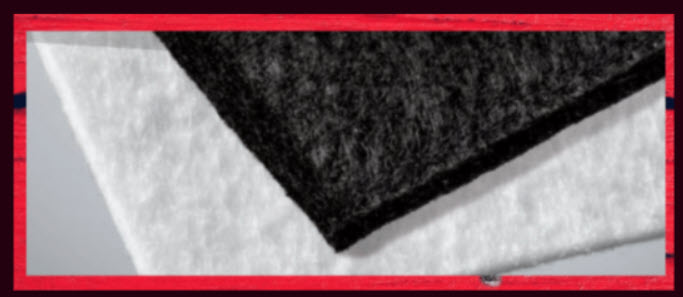
Picture it as a trusty shield, standing guard and keeping your concrete safe from harm. Made of natural-colored polypropylene non-woven fabric with a white polyethylene backing, this stuff is like a superhero cape for your concrete. It's got UV stabilizers to ward off the sun's rays, ensuring your concrete doesn't end up looking like a dried-out desert lizard.
And the best part? It's reusable! Yep, you heard that right – you can protect your concrete now and reuse
Transguard 4000 for future projects. Talk about bang for your buck! Plus, it's weatherproof and can handle light traffic, so you can rest easy knowing your concrete is in good hands (or should I say, good cover?).
So, whether you're tackling a massive flatwork project or building a bridge deck to somewhere exciting, Armorlon Transguard 4000 has got your back – literally. Don't leave your concrete hanging out to dry (literally) – give it the protection it deserves with Transguard 4000, and watch it thrive into a sturdy, long-lasting masterpiece.
Visit the Armorlon Transguard 4000 Product Page Here